



Fed gives banks more stress test information, unveils 2019 scenarios; exempts less complex lenders from drive
Thirty-four lenders passed the stress test last year, while Goldman Sachs and Morgan Stanley received conditional approvals that limited their capital distributions.

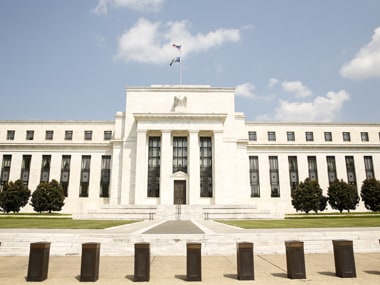
File image of Federal Reserve building in Washington. Reuters[/caption]The transparency changes, first proposed by the Fed in December 2017 and finalised on Tuesday, are aimed at long-running bank complaints that the current stress-testing process is cumbersome and opaque.In addition, less complex banks with assets between $100 billion and $250 billion, such as SunTrust Banks and Fifth Third Bancorp will not have to face the 2019 tests, as the Fed is moving to a two-year cycle for testing those firms.The industry had been tracking the 2019 testing closely, as Fed officials have said they would like to make the tests more accommodating, amid bank gripes that prior rounds have been overly harsh and resource-intensive.The steps the Fed is taking to make the testing more transparent should address some of those concerns, although proponents of stricter rules on Wall Street caution too much transparency could allow banks to mask underlying risks by gaming the exam.The annual test of bank stability subjects the books of large banks like JPMorgan Chase and Citigroup to hypothetical economic downturns to ensure they can withstand the blow without collapsing. The tests vary slightly every year, as the Fed probes for weak points in bank finances, and become more difficult as the economy improves.“We are confident this scenario will effectively test the resiliency of the nation’s largest banks,” said Randal Quarles, the Fed’s vice chair for supervision.The stress tests are a major yearly event for those firms, as they cannot distribute capital through dividends, share buybacks, or other investments without clearing that Fed hurdle.Thirty-four lenders passed the test last year, while Goldman Sachs and Morgan Stanley received conditional approvals that limited their capital distributions. The US subsidiary for Deutsche Bank had its capital plan rejected by the Fed.

South Korea economy grows faster than expected in Q2 as chip exports power recovery
India remains among fastest-growing major economies despite global uncertainty, says RBI Bulletin
Iran war could cut global growth by more than half: World Bank’s chief economist Indermit Gill
Brent crude climbs to $94 as analysts expect oil prices to stay in $90–100 range
UK inflation cools further to 2.6% in June as transport and food prices ease