


Scientists discover weakness of Zika virus which may help in finding cure
Scientists have discovered human proteins that Zika virus needs for replication, an advance that may help fight Zika.

Washington: Scientists have discovered human proteins that Zika virus needs for replication by performing the first screen using gene editing tool CRISPR/Cas9, an advance that may help fight Zika, dengue and other emerging viral infections.[caption id="attachment_2668892" align="alignleft" width="380"]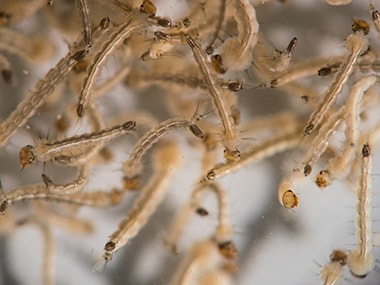 Zika virus. AP[/caption]"These genetic screens give us our first look at what these viruses need to survive," said Abraham Brass from the University of Massachusetts Medical School (UMMS) in the US."Our lab and others in our field have worked hard to develop the systems and infrastructure needed to investigate the genetics underlying how viral pathogens use our own cell's machinery to replicate."This has allowed the scientific community to respond quickly when the Zika virus threat emerged," he said.Zika has emerged as a severe health threat that can cause microcephaly in newborns, as well as Guillain-Barre syndrome in children and adults.Declared a public health emergency by the World Health Organisation, there is no treatment for Zika. The best way to prevent Zika infection is to limit potential exposure to the mosquitoes that carry the disease.With just a few proteins of their own, Zika and dengue viruses must commandeer a host cell's resources and proteins in order to grow and replicate.Some antiviral therapies used for HIV and hepatitis C virus work by disrupting the virus' ability to use these resources.The first step in applying this anti-viral approach to Zika and dengue is to narrow down which of the more than 20,000 human proteins the virus needs to replicate."These viral dependencies on human proteins represent weaknesses that could potentially be used to prevent or stop infection," said Brass."Just like any enemy, the more we know about how these viruses function and replicate the better," said Brass.Using the RNAi and CRISPR/Cas9 screening technologies they had developed for dengue and influenza, researchers in the Brass lab began by knocking out or depleting each protein in the human genome one at a time, then seeing how Zika or dengue virus grew when that human protein was gone.Brass and colleagues identified a handful of host proteins critical to both Zika and dengue viral replication.Among these was the AXL protein, which the virus uses to gain access to and enter the cell.They also identified the endoplasmic reticulum membrane protein complex (EMC) as critical to early-stage infection by the viruses.Together, these findings represent potential therapeutic targets that could help to treat and prevent infection. The next step is to develop therapies that inhibit Zika and dengue by targeting these proteins.The study appears in the journal Cell Reports.

Kargil veteran, Brahmi and growing hope in Meghalaya's farmlands
New cocoa fruit drink to make hot chocolate a has bean
In diversity, a billion people banded together for humanity - their stories should inspire us Lifelong!
Discovery India and OPPO Bring A Stunning New Series Called Life Unscene With Videography Expert OPPO Reno5 Pro 5G
BasicFirst's easyMATH e-learning program guarantees you will score more than your last exam - find out how!