


Pakistan's inability to take action against terrorist safe havens affects its ties with US: Pentagon
The continued existence of terrorist safe havens in Pakistan and its inability to take action against them affect the US-Pakistan bilateral ties.

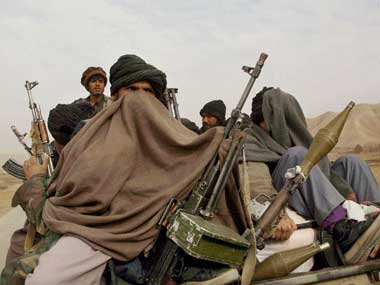
Representational image. Reuters[/caption]"These conversations continue to affect not only US dialogue with Pakistan on security and stability in Afghanistan but also during discussion of other issues in the US-Pakistan bilateral relationship such as security assistance," the Pentagon said in its reports to the Congress.US Defense Secretary Ashton Carter has not given certification that Pakistan has taken action against the Haqqani network.As a result, the Pentagon has withheld USD 300 million in Coalition Support Fund to Pakistan for the current fiscal year ending 30 September.The Pentagon in a blunt message to Pakistan said the Afghanistan-Pakistan border region remained a sanctuary for various groups."These include the Taliban, al Qaeda, AQIS, the Haqqani Network, Lashkar-e Tayyiba, Tehrik-e-Taliban Pakistan, IS-K, and the Islamic Movement of Uzbekistan. This sanctuary and these groups remain a security challenge for both countries and pose a threat to regional stability and security," said the report running into more than 100 pages."In particular, security in Kunar Province deteriorated over the previous few months due to a series of recent attacks and limited ANDSF presence along the province's 160 mile-long border with Pakistan," the Pentagon said.According to the report, although al Qaeda's core leadership in the Afghanistan-Pakistan border region has been degraded, elements continue to seek safe haven on both sides of the border to regenerate and conduct attack planning.The continued development of an al Qaeda affiliate in the region, al Qaeda in the Indian Subcontinent (AQIS), highlights the dynamic nature of the terrorist and militant landscape in the region, posing risks to the mission and to US interests, it said."Pakistan must play a role in reducing the threat from terrorist and militant groups in the region," it said.Consistent mid-level military-to-military dialogue between Afghanistan and Pakistan on specific issues, such as the shared threat from IS-K, and occasional discussions at higher levels of the military and government early in the reporting period were encouraging, the report said."However, sustained Pakistani efforts to pressure the Haqqani Network and the Taliban and to disrupt active threat streams are necessary to help decrease violence in the region, to reduce the threat posed by these groups, and to achieve lasting progress on counterterrorism issues," it said.The Pentagon said the security situation in Afghanistan continues to be dominated by a resilient insurgency."The security situation in Afghanistan continues to be dominated by a resilient insurgency; but the Afghan government remains in control of all major population centers and key lines of communication, and the ANDSF continues to deny the Taliban strategic ground throughout the country," it said.Although the Taliban maintained a higher-than-usual operational tempo over the winter, overall levels of violence this reporting period were consistent with historical trends of a seasonal decrease in violence over the winter months and an uptick leading into the traditional spring and summer fighting season, it said.The Pentagon said although al Qaeda's core leadership in the Afghanistan-Pakistan border region has been degraded, elements continue to seek safe haven on both sides of the border to regenerate and conduct attack planning.The Pentagon acknowledged that Pakistan has a key role to play in peace talks with the Taliban.

Pakistan's deep state weaponising LeT to counter Asim Munir critic Maulana Fazlur Rehman: Report
No premium queues, 30-minute target: What changes for Indian passport applicants in UAE
'We don't need straits': Trump says Iran war isn't about Hormuz as US strikes for 12th night
Iran claims to stop three oil tankers transiting Strait of Hormuz
Globe at a glance: From Houthis striking Saudi tankers in Red Sea to wildfires in Europe