


Bellary

Bellary is an iron-rich district in north-eastern Karnataka. Called the 'Republic of Bellary' in the illegal mining report submitted by Santosh Hegde on 27 July, ore reserves were found here almost a century ago, andtill a decade ago, “the mining companies were struggling with small profits due to low iron ore price both in domestic and international markets”. But mining was soon set to boom and become a billion dollar sector.[caption id="attachment_52031" align="alignleft" width="380" caption="The SC said that an estimated 90 percent of ore production in Bellary is illegal. BHP Billiton/AFP Photo"]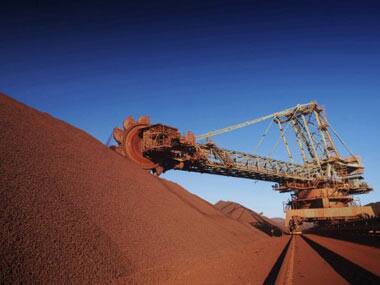 [/caption]Bellary made news in July 2011 when the Karnataka Lokayukya (from 2006- August 2011) Santosh Hegde presented the illegal mining report to the state’s governor on 27 July 2011, following which the Supreme Court imposed an interim ban on mining on concerns of environment degradation.“The district of Bellary produces about 35 million tonnes of iron ore annually, around 83 percent of Karnataka's total annual production of 42 million tonnes. Bellary-Hospet region, which produced more than 47 million tonnes of ore in 2007/08, the latest figures from the state mining department showed,” Reuters reported.The SC observed that of the 148 iron ore mining leases sanctioned, 124 now exist and an estimated 90 percent of the production is from the forest area, and therefore illegal. The iron ore mines cover 9,527 hectares of forest land and 1,341 hectares of non-forest land. Apart from clearing of forests and erosion of fertile top soil of this once farming district, tanks, ponds and reservoir of the Tungabhadra Dam have been polluted by iron ore silt. Economically, the minster-babu-corporate nexus has caused a loss of more than Rs 1,827 crore to the state exchequer between March 2009 and April 2010 alone, PTI reported.Before 1999, when the companies rushed in to cash in on the mining boom, agriculture was the mainstay of people here. After the companies came in, farmers, who grew sugarcane, paddy, banana and cotton abandoned the fields for the mines ad sold their land to the mining companies.The Financial Times reports that “iron ore prices skyrocketed to R4,500-5,000 per tonne in 2005-06 from R300 per tonne in 2002-03 when China started shipping huge amount of the mineral from India ahead of its preparations for Beijing Olympics.” That drove companies to illegal mining and created a new class of entrepreneurs “who indulged in illegal mining without licence, mining in reserved forest area, and also mining in excess of their licencsed capacity.”Karnataka used to export around 20-25 mn tons of ore until the state stopped it in July 2010 to check illegal mining. In April 2011, the Supreme Court asked the state government to lift the ban, but Karnataka is yet to issue export permits. Export continued.The mining czars in Bellary are the Reddy brothers, G Karunakara Reddy, G Janardhana Reddy, whose company Obalapuram Mining Company is registered in Andhra Pradesh. Yet they had a strong grip on mining activities in Bellary which was further strengthened by their election to the Karnataka assembly in 2008. The 25,228-page report has revealed a “detailed a web of deceit, including violation of mining and environmental laws, tax evasion and money laundering in international tax havens by the powerful brothers”. The Reddys also used their position "to threaten other mining companies to share their produce on the promise of providing all necessary permits," reported the Times of India.

Holy Cow has become less holy in the Cow Belt
Djokovic vs Nadal: Who will create history today?
Muammar Gaddafi