


We might have a second interstellar visitor: astronomers discover unknown object entering our solar system
If it is an interstellar object then scientists will be able to study it till it leaves our solar system in 2021.

Plans to study it
An early image of C/2019 Q4 shows that it is followed by a small tail or a halo of dust, which could mean that it is a comet. Comet tails are made up of gas and dust particles and are usually on the opposite side of the sun (Could it not be an exhaust plume from an interstellar engine?).[caption id="attachment_7333771" align="alignnone" width="1280"]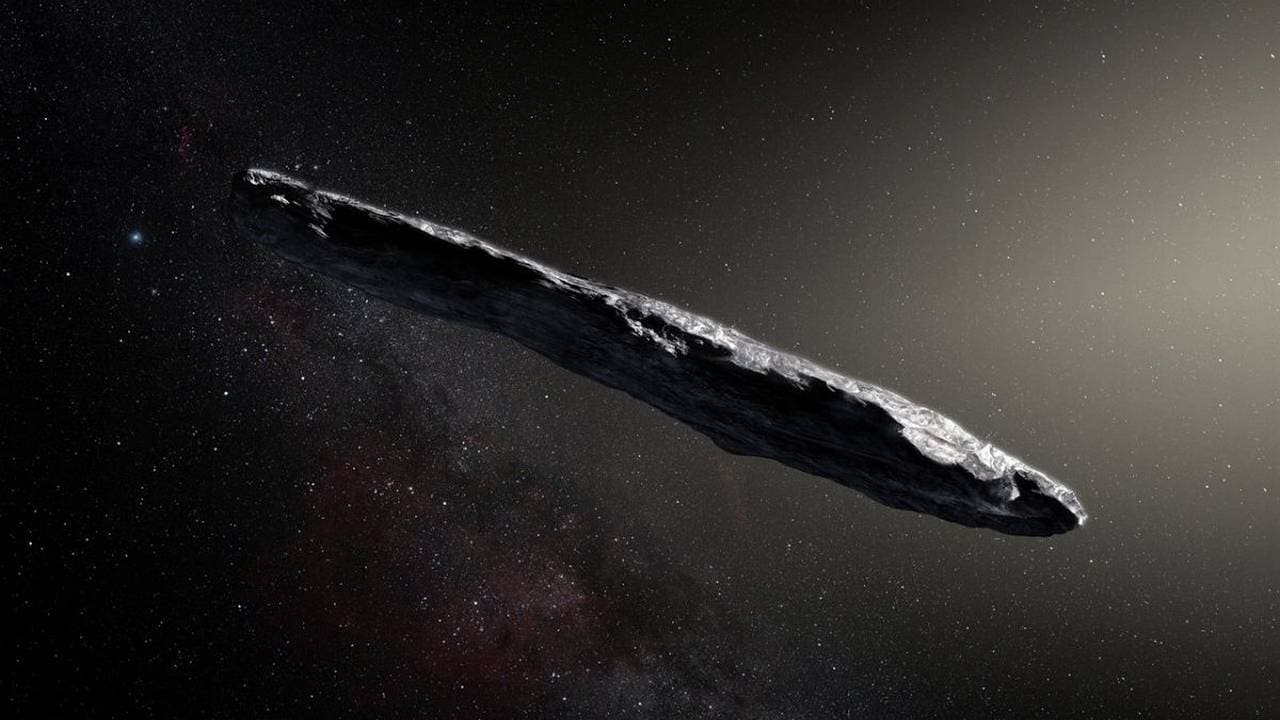
Artist illustration of the first interstellar object Oumuamua. image credit: European Southern Observatory[/caption]Since they have time, scientists will study the rock in detail. They are trying to plot the trajectory of the object. This will also help determine if this space rock is of interstellar origin or if it originated within our Solar System.How will they do that, you might ask?When they plot the orbit of the object, if it is elliptical, it originated from inside the solar system and it is orbiting around something, maybe our sun.If it is a hyperbolic orbit, then the object is an outsider. It is on an open-ended trajectory.Hainaut told Business Insider, “Here we have something that was born around another star and travelling toward us. It’s the next best thing to sending a probe to a different solar system.”The object will pass Mars and if it is an interstellar object then scientists will be able to study it till it leaves our solar system in 2021.

Careless Whispers: Scientists discover that plants can 'talk' to each other using smells
Life on Mars? European Space Agency’s Orbiter discovers ice water deposits at equator
Microsoft briefly overtakes Apple as the most valuable company, Apple back on top again
Even NASA is facing a tough time, starts layoffs following major budget cuts
ISRO, NASA's NISAR satellite to get ready by Jan-end, will monitor Earth's snow-covered regions