


We inherit bad fat from our fathers and good fat from mothers, study finds
The finding could pioneer treatment for obesity & illnesses linked to it, researchers say.

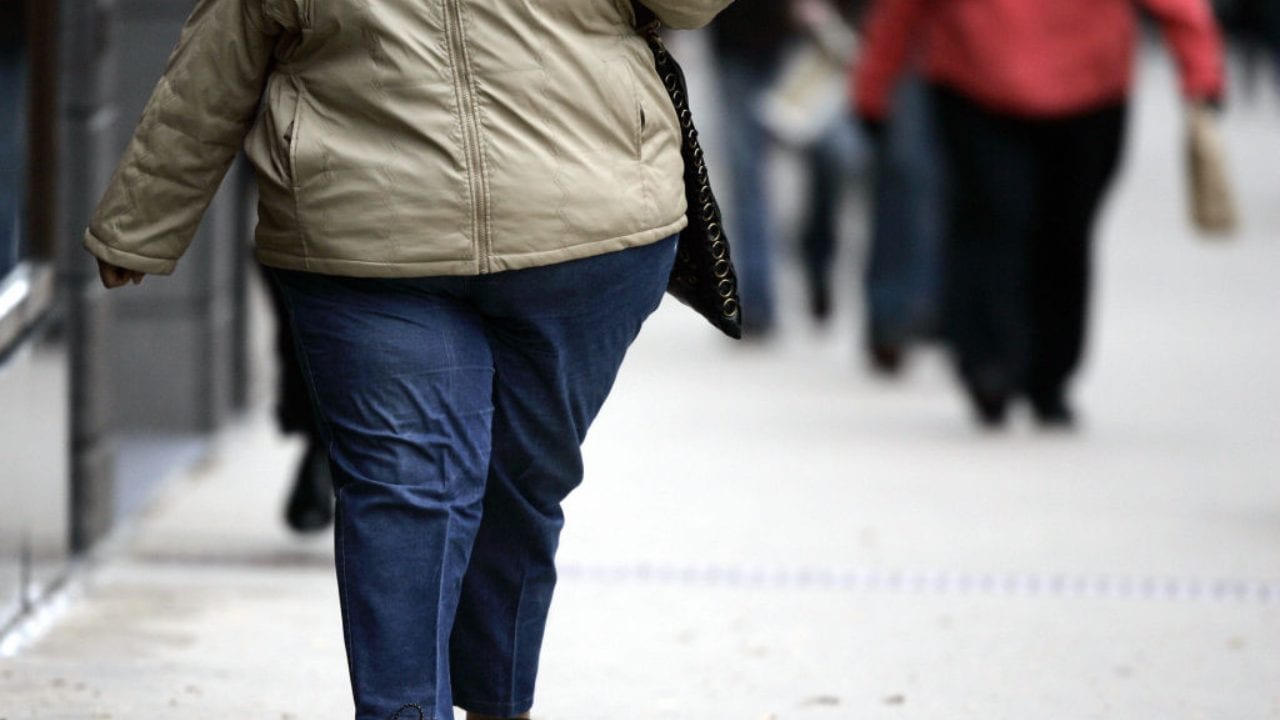
Representational image. AFP[/caption]When the H19 gene was overactivated, they found a higher number of ‘brown' fat cells; this variant of fat can burn calories far more quickly than its stubborn sister, the ‘white' fat cell.The brown cells that H19 regulates were found to have a protective effect on mice against growing obese or developing insulin resistance.The study also found the H19 gene – based on brown fat content in the mice – were passed on from our mothers.The genes that were passed down from fathers were the ones involved in building white fat tissue in the body. These white fat cells build up around stomach, thighs and glutes and contribute to both obesity and the illnesses that follow, the study explains.In the view of the study’s authors, this could be step one towards developing effective therapies to treat people that are obese or have complications from being overweight."Our results can be the first step towards developing groundbreaking new and improved treatments for obesity-related diseases," Professor Jan-Wilhelm Kornfeld, author of the study, said to the university press.

Careless Whispers: Scientists discover that plants can 'talk' to each other using smells
Life on Mars? European Space Agency’s Orbiter discovers ice water deposits at equator
Microsoft briefly overtakes Apple as the most valuable company, Apple back on top again
Even NASA is facing a tough time, starts layoffs following major budget cuts
ISRO, NASA's NISAR satellite to get ready by Jan-end, will monitor Earth's snow-covered regions