


Water, moonquakes, volcanoes: Six big discoveries we've made about the Moon since the first landing
The Moon has always been a magical place in all folk tales, and these 6 discoveries only make it more magical!

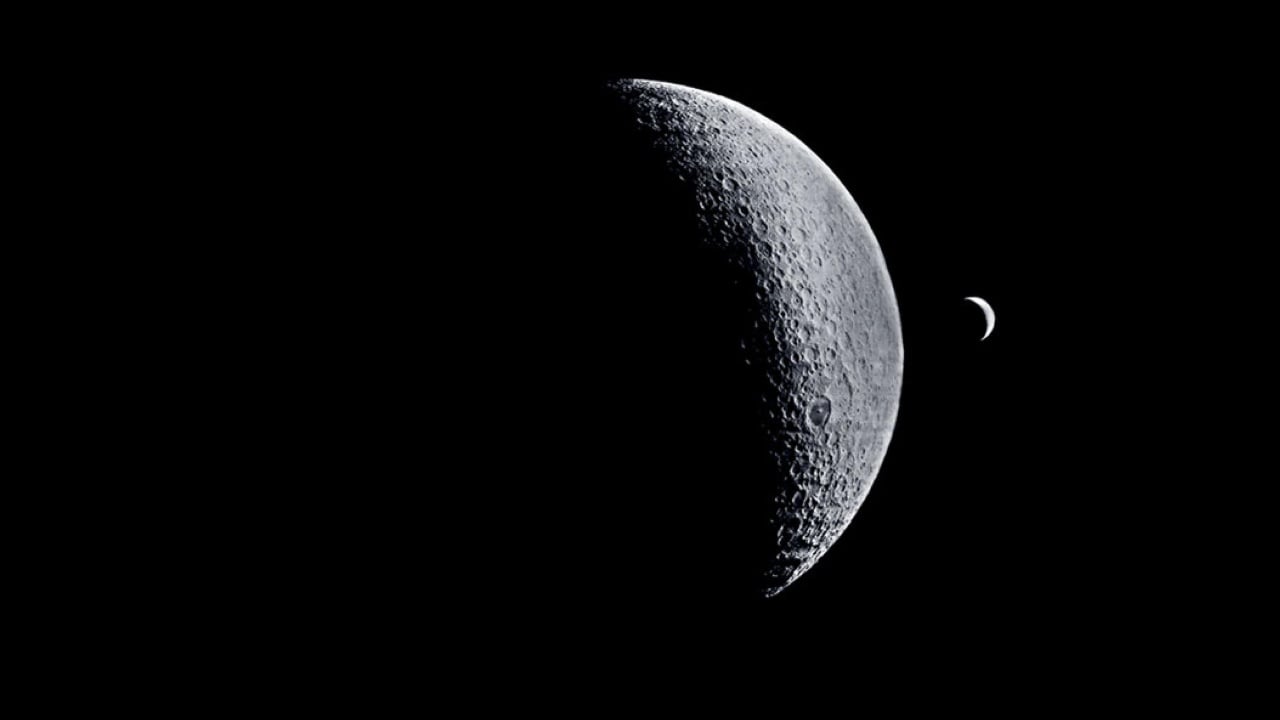 The Moon.[/caption]But between then and now, since Aldrin and Armstrong went to the moon to Chandrayaan 2, a lot has happened, a lot has been discovered, and a lot of progress has been made.
1) Water: If we go to Moon, we will definitely not die thirsty...
2) Ice: Chandrayaan 1 confirmed its presence!
3) Moon is made of remnants of a baby Earth!
About four billion years ago, during a period called the Late Heavy Bombardment, a huge object crashed into Earth, sending materials from our planet flying into space. Some of these debris stuck together to make the Moon. Scientists at Perspectives in Astrobiology said that evidence to this does exist. Not on Earth, but on the Moon.
4) Volcanoes: When dinos walked Earth, volcanoes flowed on the Moon
Discoveries by NASA’s Lunar Renaissance Orbiter indicate that the Moon could have had volcanic flows up to just tens of millions of years ago, during Earth’s dinosaur age. The Moon has maria, or plains of volcanic rock, which suggest past active volcanoes.[caption id="attachment_6099071" align="alignnone" width="1280"]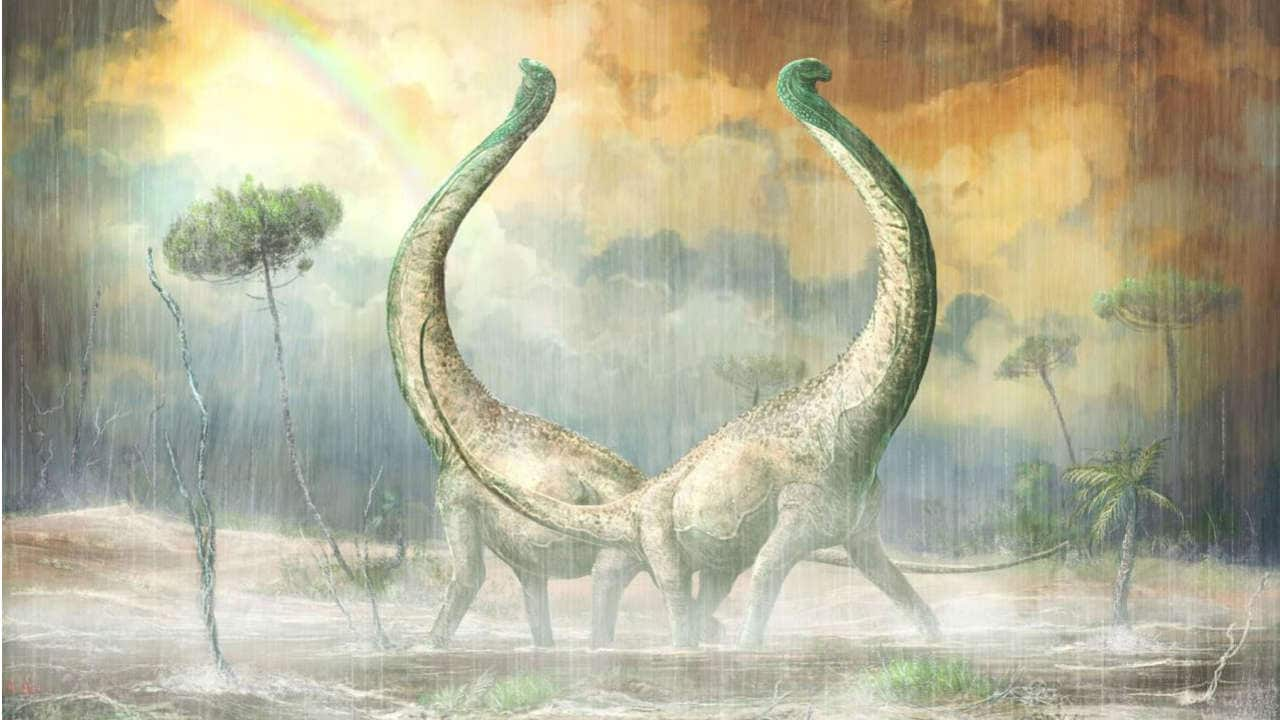 The Cretaceous Period dinosaur Mnyamawamtuka in its environmental setting is seen in this illustration released in Athens, Ohio, U.S., February 13, 2019. Mark Witton/Handout via REUTERS[/caption]
5) Moon quakes: They are crazier than earthquakes!
6) We are pushing the Moon away
Because the Earth and the Moon interact through tides, our planet is actually pushing away its natural satellite about 1.5 inches each year. How is this happening? Well, the part of Earth that faces the Moon gets pulled by the Moon’s gravity, which creates the “tidal bulge”. But, because Earth rotates on its axis faster than the Moon orbits it, the higher gravity from Earth’s bulge tries to speed up the Moon’s rotation. Meanwhile, the Moon is pulling on Earth and slowing the planet’s rotation. The friction that ensues from this tug-of-war forces the Moon into a wider orbit.
 More from Science
Careless Whispers: Scientists discover that plants can 'talk' to each other using smells
Life on Mars? European Space Agency’s Orbiter discovers ice water deposits at equator
Microsoft briefly overtakes Apple as the most valuable company, Apple back on top again
Even NASA is facing a tough time, starts layoffs following major budget cuts
ISRO, NASA's NISAR satellite to get ready by Jan-end, will monitor Earth's snow-covered regions