


US CDC introduces new tick and mosquito repellent made from grapefruit, cedar trees
The chemical is the first novel insect repellent introduced since 2009, and can also fight resistance to many common insect repellents seen today.

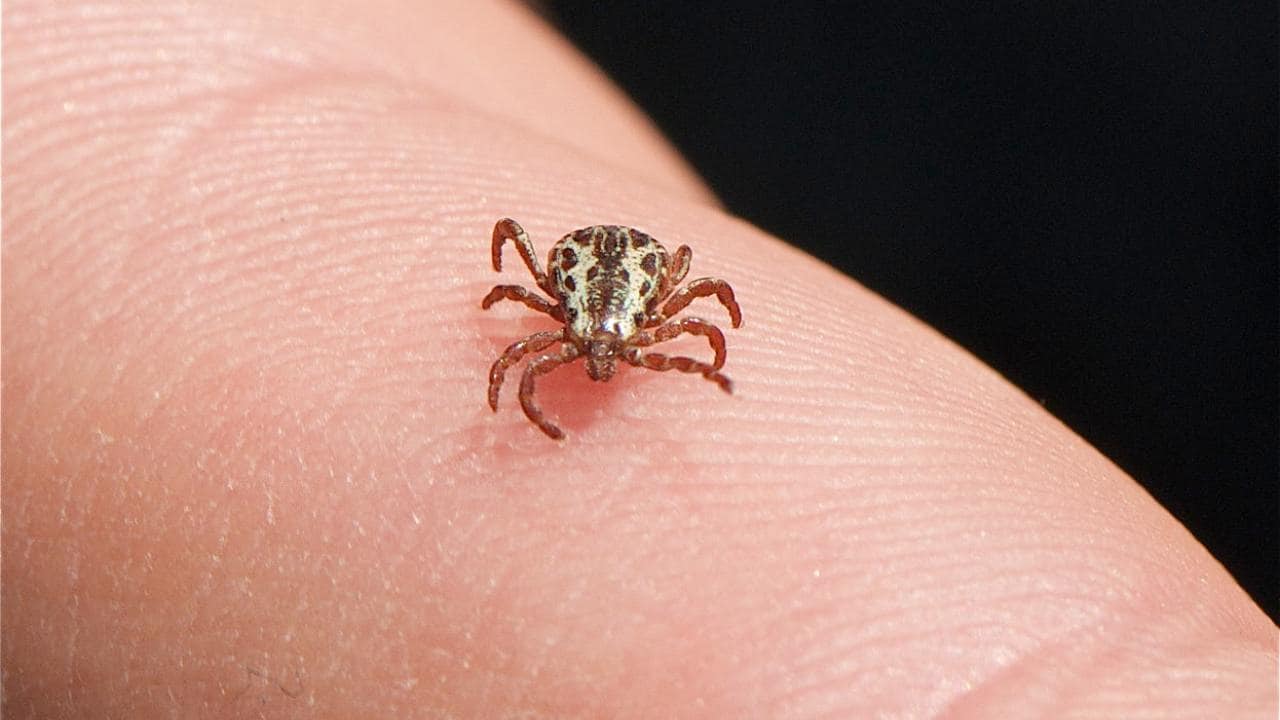
Ticks can infect both humans and pets with serious infections.[/caption]CDC has further added that studies have shown that when nootkatone is turned into insect repellents, they may protect from bites at similar rates as products with other active ingredients available in the market and can provide up to several hours of protection.The federal agency also stated that nootkatone will be used to develop new insecticides and repellants to help protect people and pets from bug biting insects. "CDC’s licensed partner, Evolva, is in advanced discussions with leading pest control companies for possible commercial partnerships," the statement said, adding that the products could be commercially available as early as 2022.According to a report in NBC News, the Environmental Protection Agency has acknowledged that nootkatone is safe and effective and has formally given the greenlight for companies to use it to develop new products for the protection of both humans and pets.As per the report, the EPA has stated that studies have shown that nootkatone may protect against ticks, mosquitoes and pests that cause Lyme disease, malaria and the Zika virus. The report added that the introduction of a new chemical, the first since 2009, can also help fight resistance to many common insect repellents seen today.

Careless Whispers: Scientists discover that plants can 'talk' to each other using smells
Life on Mars? European Space Agency’s Orbiter discovers ice water deposits at equator
Microsoft briefly overtakes Apple as the most valuable company, Apple back on top again
Even NASA is facing a tough time, starts layoffs following major budget cuts
ISRO, NASA's NISAR satellite to get ready by Jan-end, will monitor Earth's snow-covered regions