


Two Indian and institutes collaborate on project to combat antibiotic resistance
There are limited options and strategies available to address the crisis of drug resistance.

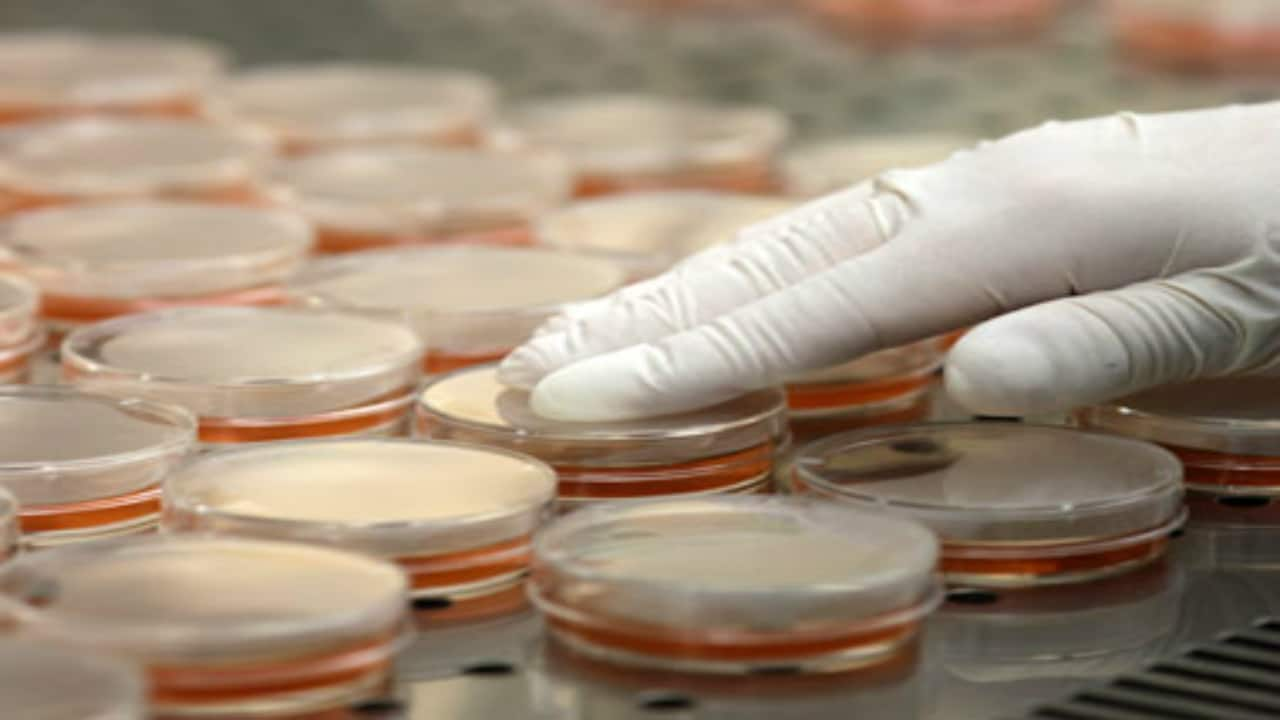
Representational image. Reuters[/caption]“Recent studies have led to the identification of many genes in pathogenic microorganisms that are responsible for resistance to antibiotics," said Dr Bipin Nair, Dean of the Faculty of Sciences at Amrita."The collaboration will focus on developing new tools to reverse antibiotic resistance.... it holds the potential to develop novel sustainable strategies to counter the global menace of multi-drug resistant (MDR) organisms,” Nair added.The institutes have also worked together earlier on establishing the mechanism of action of natural products like clove bud oil to inhibit quorum sensing in Pseudomonas aeruginosa and attenuate virulence.“This MoU signed between TIGS and Amrita will pave the way for cutting-edge research in antimicrobial resistance for the benefit of humanity,” Professor Suresh Subramani, Global Director, Tata Institute for Genetics and Society said.

Careless Whispers: Scientists discover that plants can 'talk' to each other using smells
Life on Mars? European Space Agency’s Orbiter discovers ice water deposits at equator
Microsoft briefly overtakes Apple as the most valuable company, Apple back on top again
Even NASA is facing a tough time, starts layoffs following major budget cuts
ISRO, NASA's NISAR satellite to get ready by Jan-end, will monitor Earth's snow-covered regions