


Synthetic speech: Virtual voicebox converts brain signals to speech using AI
Researchers had better luck with some sounds like sh's & less so with abrupt ones like b's & p's.

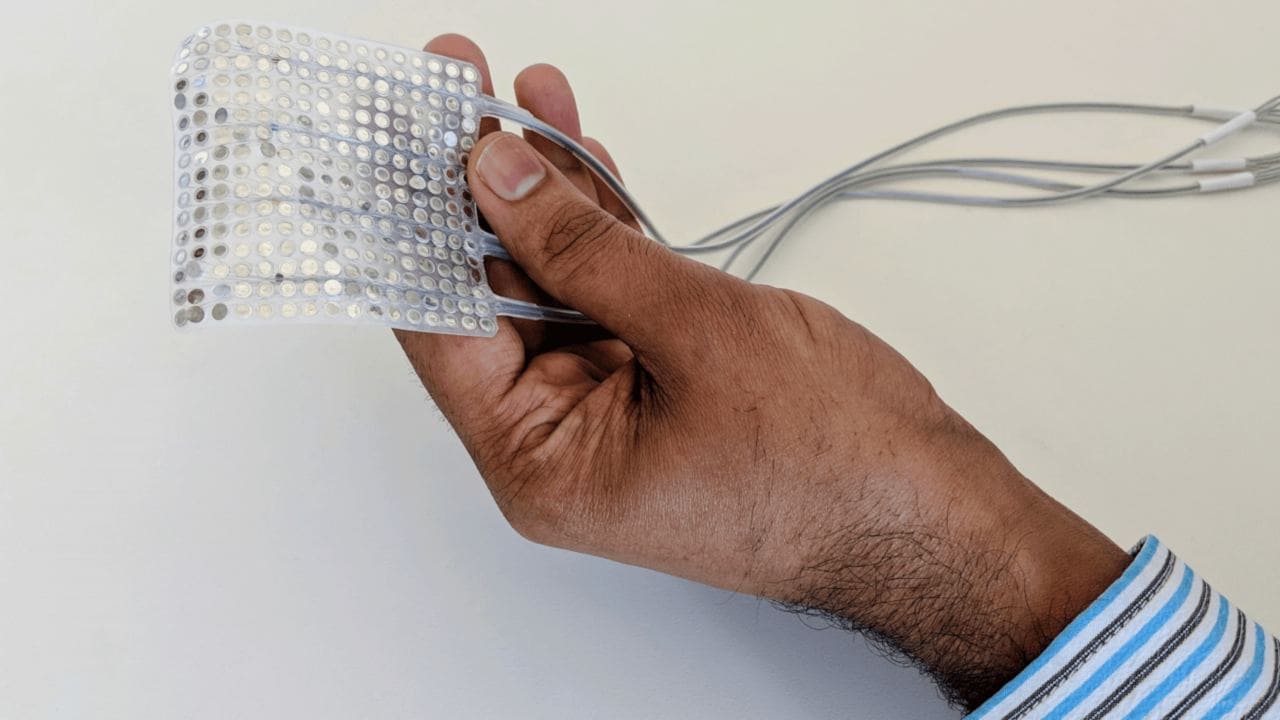
An array of intra-cranial electrodes of the type used to record brain activity in the current study. Image credit: UCSF[/caption]"We were shocked when we first heard the results — we couldn’t believe our ears. It was incredibly exciting that a lot of the aspects of real speech were present in the output from the synthesizer," said study co-author and UCSF doctoral student Josh Chartier."Clearly, there is more work to get this to be more natural and intelligible but we were very impressed by how much can be decoded from brain activity."Stroke, ailments such as cerebral palsy, amyotrophic lateral sclerosis (ALS), Parkinson’s disease and multiple sclerosis, brain injuries and cancer sometimes take away a person’s ability to speak.Some people use devices that track eye or residual facial muscle movements to laboriously spell out words letter-by-letter, but producing text or synthesized speech this way is slow, typically no more than 10 words per minute. Natural speech is usually 100 to 150 words per minute.The five volunteers, all capable of speaking, were given the opportunity to take part because they were epilepsy patients who already were going to have electrodes temporarily implanted in their brains to map the source of their seizures before neurosurgery. Future studies will test the technology on people who are unable to speak.

Careless Whispers: Scientists discover that plants can 'talk' to each other using smells
Life on Mars? European Space Agency’s Orbiter discovers ice water deposits at equator
Microsoft briefly overtakes Apple as the most valuable company, Apple back on top again
Even NASA is facing a tough time, starts layoffs following major budget cuts
ISRO, NASA's NISAR satellite to get ready by Jan-end, will monitor Earth's snow-covered regions