


Social, living environment are key ingredients in longer lifespan, new research suggests
People living in highly walkable, mixed-age communities may reportedly live longer and reach their 100th birthday.

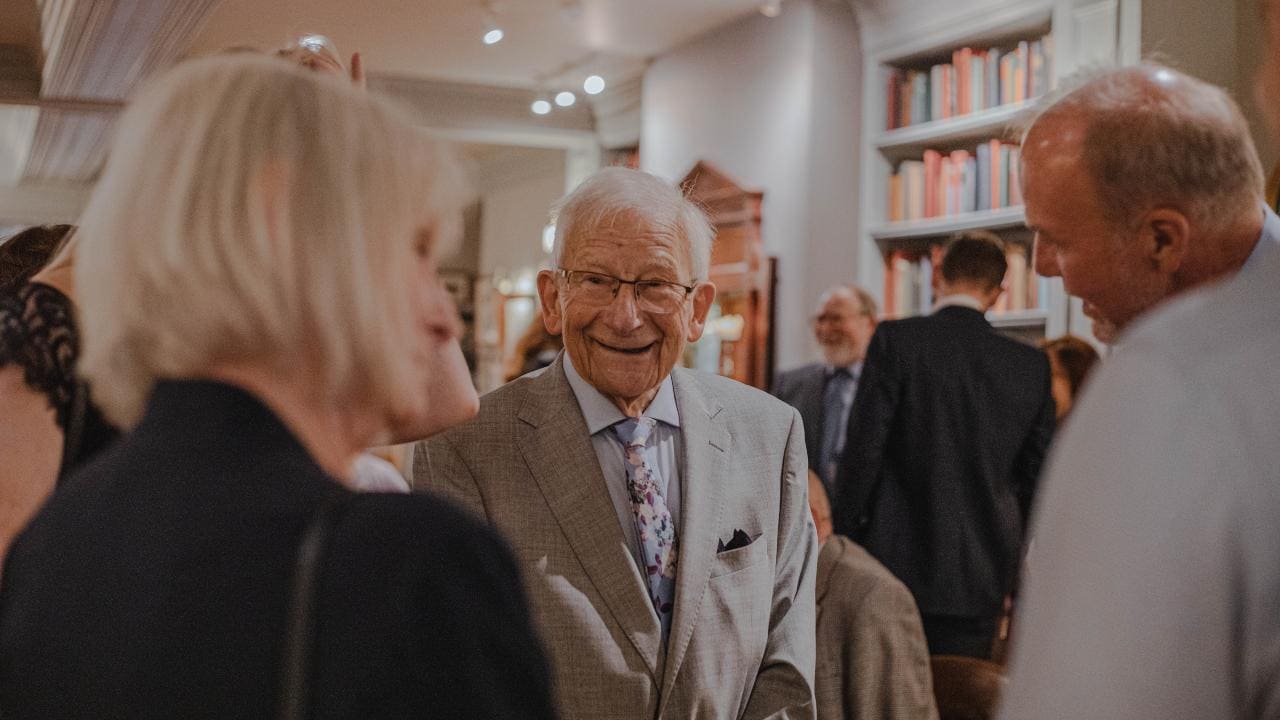
People living in highly walkable, mixed-age communities may reportedly live longer and reach 100. Unsplash[/caption]Study author Rajan Bhardwaj, a second-year WSU medical student who took an interest in the topic after serving as a home care aide to his aging grandfather, revealed that the study adds to the growing body of evidence that social and environmental factors contribute significantly to the life of a person.Ofer Amram, the study's senior author told university press, "We know from previous research that you can modify, through behavior, your susceptibility to different diseases based on your genetics."Living in an environment that supports healthy ageing impacts one's ability to beat genetic odds through lifestyle changes, Eurekalert concluded about the research. The report cites Bhardwaj as saying that mixed-age communities appear to be beneficial for everyone, based on the study's results.Amram added that neighborhoods offering more age diversity tend to be in urban areas where the elderly are more likely not to face isolation and get a lot of community support in their daily lives.

Careless Whispers: Scientists discover that plants can 'talk' to each other using smells
Life on Mars? European Space Agency’s Orbiter discovers ice water deposits at equator
Microsoft briefly overtakes Apple as the most valuable company, Apple back on top again
Even NASA is facing a tough time, starts layoffs following major budget cuts
ISRO, NASA's NISAR satellite to get ready by Jan-end, will monitor Earth's snow-covered regions