


Scientists use NASA’s CYGNSS satellite data to track microplastics in the ocean
Every year, around eight million tons of plastic waste enters the ocean and get smashed by the sun and sea into microplastics.

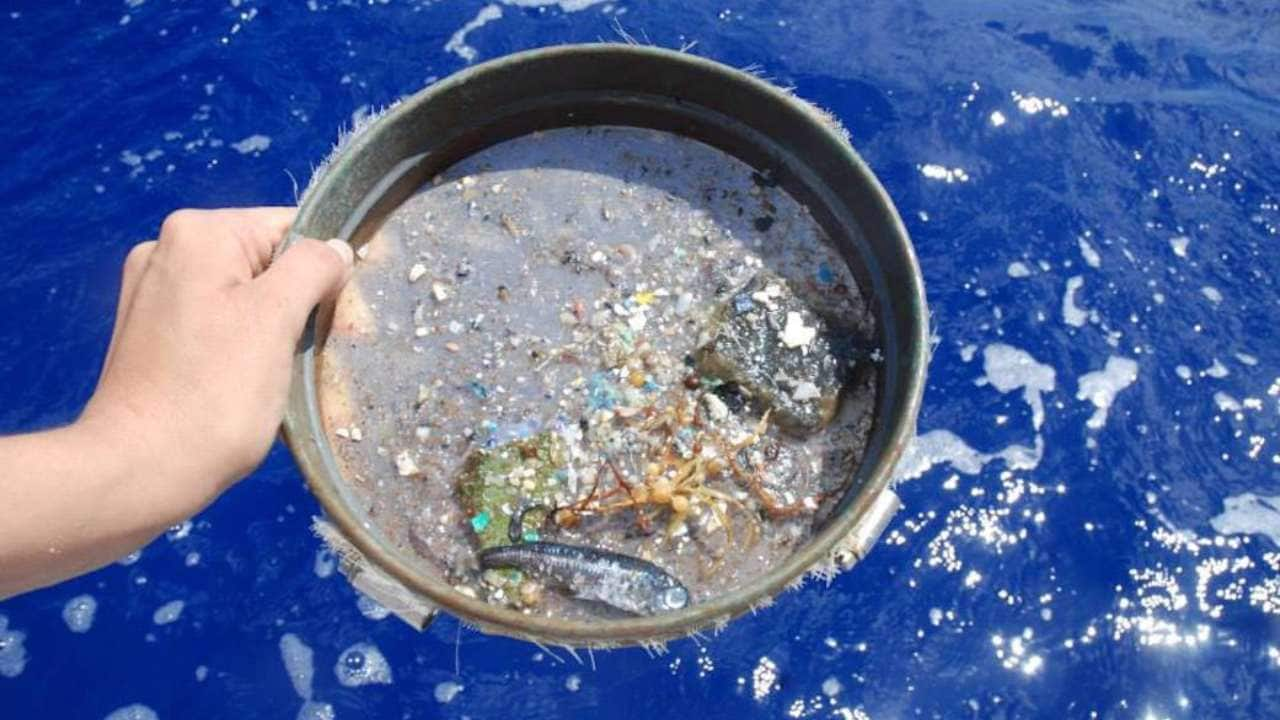
Every year, around eight million tons of plastic waste enters the ocean. Image credit: NASA[/caption]This new technique will use the data collected by the Cyclone Global Navigation Satellite System (CYGNSS). It is a group of eight small satellites that provides information about the strength of hurricanes and wind speeds by using radar.As per NASA, while working on this new advanced technique, the team of scientists searched for areas where the ocean was smooth in order to easily indicate the presence of microplastics. Then those areas were compared to observations after which scientists concluded that microplastics would be present in smoother waters.The researchers discovered that worldwide microplastic concentrations vary by season. In the Northern Hemisphere, in the North Atlantic and Pacific, the concentration of microplastics are higher in the summer months. The peak months for the Great Pacific Garbage Patch are June and July.“Areas of high microplastic concentration, like the Great Pacific Garbage Patch, exist because they’re located in convergence zones of ocean currents and eddies. The microplastics get transported by the motion of the water and end up collecting in one place,” Ruf said.In the Southern Hemisphere, concentrations are at their highest during the summer months of January and February. Winter concentrations are lower, owing to a combination of stronger currents that break up microplastic plumes and higher vertical mixing that pushes them deeper into the water's surface.The data also revealed multiple transient surges in microplastic concentration around the Yangtze River's mouth, which has long been suspected as a major source.

Careless Whispers: Scientists discover that plants can 'talk' to each other using smells
Life on Mars? European Space Agency’s Orbiter discovers ice water deposits at equator
Microsoft briefly overtakes Apple as the most valuable company, Apple back on top again
Even NASA is facing a tough time, starts layoffs following major budget cuts
ISRO, NASA's NISAR satellite to get ready by Jan-end, will monitor Earth's snow-covered regions