


Scientists unpick how a non-intoxicating cannabis component may fight psychosis
The chemical cannabidiol (CBD) is the same cannabis compound that has shown benefits in epilepsy.

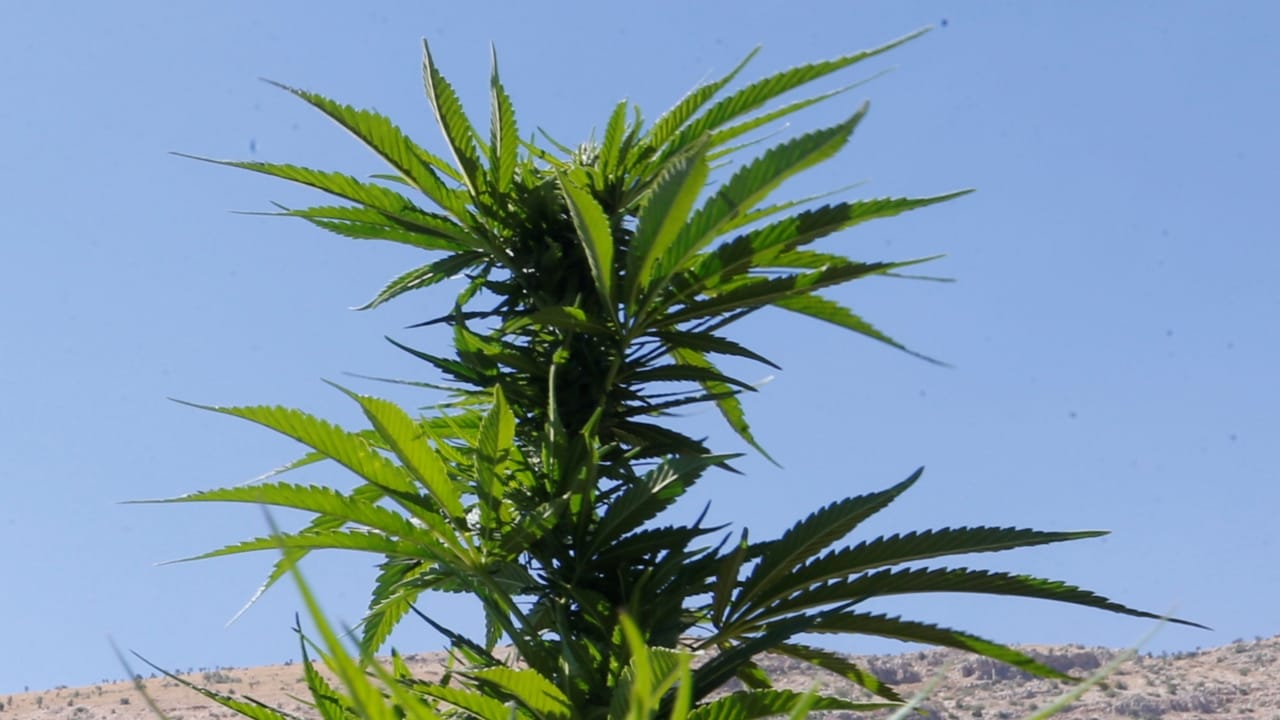
Green shoots of cannabis are seen in a field overlooking a lake in Yammouneh in West of Baalbek, Lebanon. Reuters[/caption]Now, by scanning the brains of 33 young people who were experiencing distressing psychotic symptoms but had not been diagnosed with full-blown psychosis, Sagnik Bhattacharyya and colleagues showed that giving CBD capsules reduced abnormal activity in the striatum, medial temporal cortex and midbrain.Abnormalities in all three of these brain regions have been linked to the onset of psychotic disorders such as schizophrenia.Most current anti-psychotic drugs target the dopamine chemical signaling system in the brain, while CBD works in a different way.Significantly, the compound is very well tolerated, avoiding the adverse side effects such as weight gain and other metabolic problems associated with existing medicines.“One of the reasons CBD is exciting is because it is very well tolerated compared to the other anti-psychotics we have available,” Bhattacharyya of King’s College said.“There is an urgent need for a safe treatment for young people at risk of psychosis.”The Institute of Psychiatry, Psychology and Neuroscience at King’s College now plans a large 300-patient clinical trial to test the true potential of CBD as a treatment. Recruitment into the trial is expected to start in early 2019.The latest findings underscore the complexity of the cocktail of chemicals found within the marijuana plant, at a time when cannabis laws are becoming more liberalized in many countries.

Careless Whispers: Scientists discover that plants can 'talk' to each other using smells
Life on Mars? European Space Agency’s Orbiter discovers ice water deposits at equator
Microsoft briefly overtakes Apple as the most valuable company, Apple back on top again
Even NASA is facing a tough time, starts layoffs following major budget cuts
ISRO, NASA's NISAR satellite to get ready by Jan-end, will monitor Earth's snow-covered regions