


Scientists, for the first time, determined the exact location of cosmic radio waves
A high-resolution map shows these bursts originating in the outskirts of a galaxy, 3.6 billion light-years away.

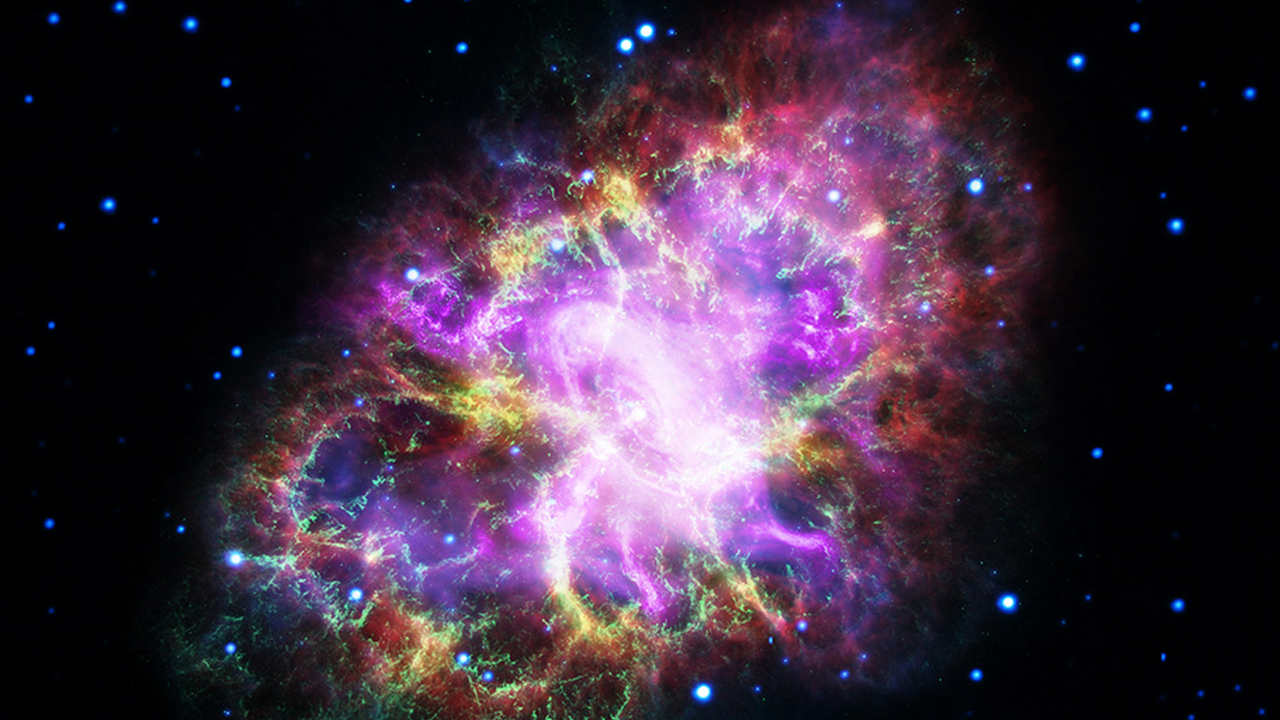
Representational image. Credit:L NASA/JPL[/caption]In the 12 years since the radio bursts were first discovered, a global hunt has netted 85 of these bursts. Most have been 'one-offs' but a small fraction are 'repeaters' that recur in the same location.In 2017, the researchers found a repeater's home galaxy but localising a one-off burst was much more challenging.Bannister's team developed new technology to freeze and save ASKAP data less than a second after a burst arrives at the telescope."From these tiny time differences — just a fraction of a billionth of a second — we identified the burst's home galaxy and even its exact starting point, 13,000 light-years out from the galaxy's centre in the galactic suburbs," said team member Dr Adam Deller of the Swinburne University of Technology in Australia."The burst we localised and its host galaxy looks nothing like the 'repeater' and its host. It comes from a massive galaxy that is forming relatively few stars. This suggests that fast radio bursts can be produced in a variety of environments, or that the seemingly one-off bursts detected so far by ASKAP are generated by a different mechanism to the repeater," he added.

Careless Whispers: Scientists discover that plants can 'talk' to each other using smells
Life on Mars? European Space Agency’s Orbiter discovers ice water deposits at equator
Microsoft briefly overtakes Apple as the most valuable company, Apple back on top again
Even NASA is facing a tough time, starts layoffs following major budget cuts
ISRO, NASA's NISAR satellite to get ready by Jan-end, will monitor Earth's snow-covered regions