


Scientists find major defect in Russia's new heavy-lift space rocket Angara A5engine
The 10% failure rate of Russia’s current heavy-lift Proton M rocket is a big reason for the change.

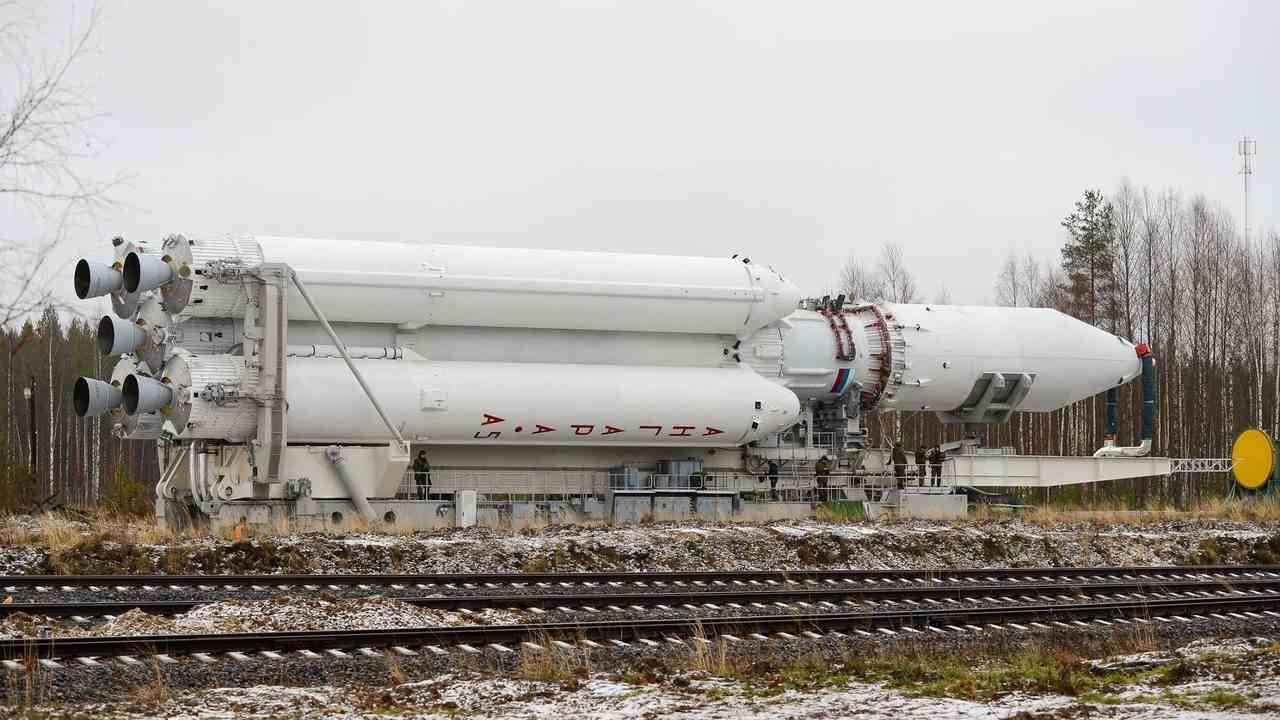
The Angara A5 Russian heavy-lift rocket. Image: Roscosmos[/caption]The paper, reported by RIA news agency on Friday and published online, said the engines of the Angara A5 could produce low-frequency oscillations that could ultimately destroy the rocket.A special valve had been fitted to mitigate the issue, but in some cases the oscillations continued, it said. Energomash did not immediately reply to a request for comment.Russia’s space program has been dogged by mishaps in recent years, including failed cargo delivery missions into space and the aborted launch in October of the manned Soyuz mission to the International Space Station.Russia’s current heavy-lift rocket, the Proton M, has had a nearly 10 percent failure rate in more than 100 launches since it entered service in 2001, creating pressure to reorganize and improve the space program.

Careless Whispers: Scientists discover that plants can 'talk' to each other using smells
Life on Mars? European Space Agency’s Orbiter discovers ice water deposits at equator
Microsoft briefly overtakes Apple as the most valuable company, Apple back on top again
Even NASA is facing a tough time, starts layoffs following major budget cuts
ISRO, NASA's NISAR satellite to get ready by Jan-end, will monitor Earth's snow-covered regions