


Quadrantids, the first meteor shower of 2019, to peak before dawn tomorrow in India
The odd and beautiful display of shooting stars will peak just after New Years on 4 January 2019.

What are the Quadrantids?
The Quadrantid meteors or "Quads" are among the oddest meteor showers known to us.They were discovered fairly recently in 2003 and have a very short peak period of a few hours, unlike the Perseids or the Orionids which last for days.Interestingly, the constellation that the Quads were named after no longer exists.When the Quads were first spotted in 1825, the meteors appeared to stream away from a point in the sky that appeared in a constellation called the Quadrans Muralis. This constellation falls between the constellations Draco the Dragon and Boötes the Herdsman in a star map – just near the handle of the famous Big Dipper.[caption id="attachment_5798501" align="alignnone" width="1280"]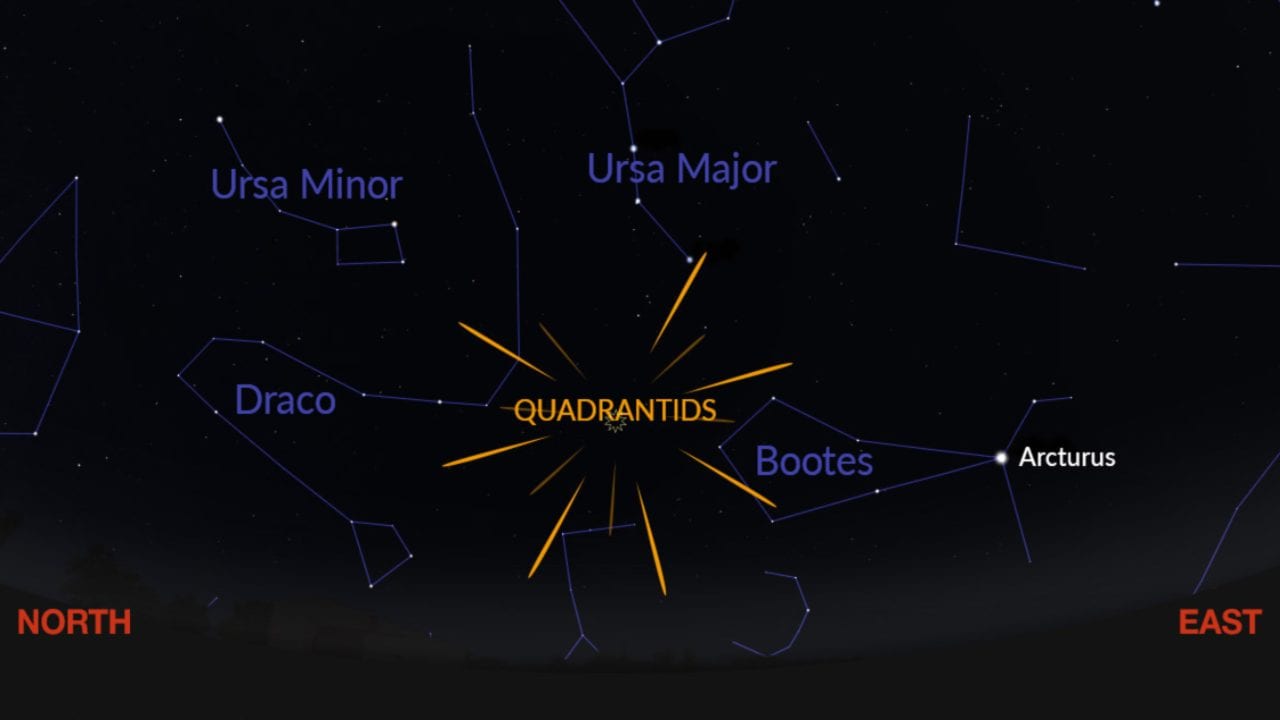
How to triangulate the Quadrantids. Image courtesy: AMS Meteors[/caption]The International Astronomical Union prepared a list of constellations in 1922, a list in which Quadrans Muralis was neither elected, nor included.Since 2003, the real origin of the Quadrantids has become ever so slightly clearer.Most meteor showers come from comets that have broken apart, and the source of the Quadrantids is now believed to be an asteroid called the '2003 EH1', which is believed to be an extinct comet or a "rock comet."
Where to spot the Quadrantids?
For the Quadrantids, as with any meteor shower, the bulk of meteors are visible when the radiant is high in the sky. The streaks of meteors' trails come away from the northern tip of Boötes, near the Big Dipper's extended handle, close to the Arcturus star — the brightest in the Boötes constellation.To find the radiant, or the place of origin of these meteors, trace Boötes or Arcturus.An alternative way to spot the Quad meteors is to first spot the Big Dipper constellation towards the Northeast direction in the sky.[caption id="attachment_5798411" align="alignnone" width="1280"]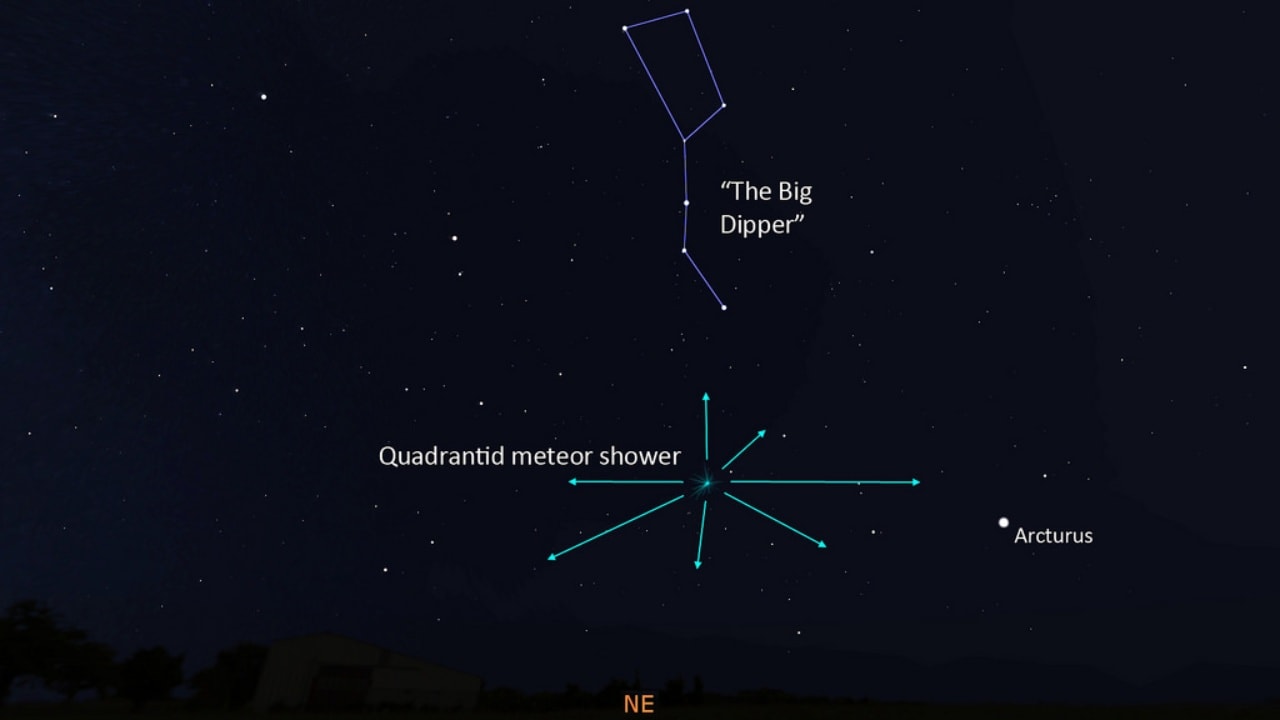
The position of the Quadrantids meteor shower relative to the Big Dipper and Arcturus. Image courtesy: Space[/caption]Then, trace "arc" of the Big Dipper's handle to another visible star — a red giant called Arcturus that anchors the bottom of the Boötes constellation.
When to watch the Quadrantids?
The radiant for the Quadrantids is the highest point in the sky in the darkest hour before dawn on 4 January in India, with the maximum visibility around 4 am in the morning, just between twilight and sunrise. In Europe, the peak hour for meteor shower sightings has been predicted for 2 am UTC (7.30 am IST) by the International Meteor Organisation.Know that meteor showers are notorious for defying even the best-laid forecasts, so your best bet to spot them is to simply stay prepared and stay patient.
How to watch the Quadrantids
- Binoculars and telescopes are not much use to see meteor showers since they streak overhead and are best seen without equipment.
- It's crucial you give your eyes some time to adapt to the dark. Catch a dark patch of unobstructed sky and give your eyes 30-45 minutes away from sources of light to adjust.
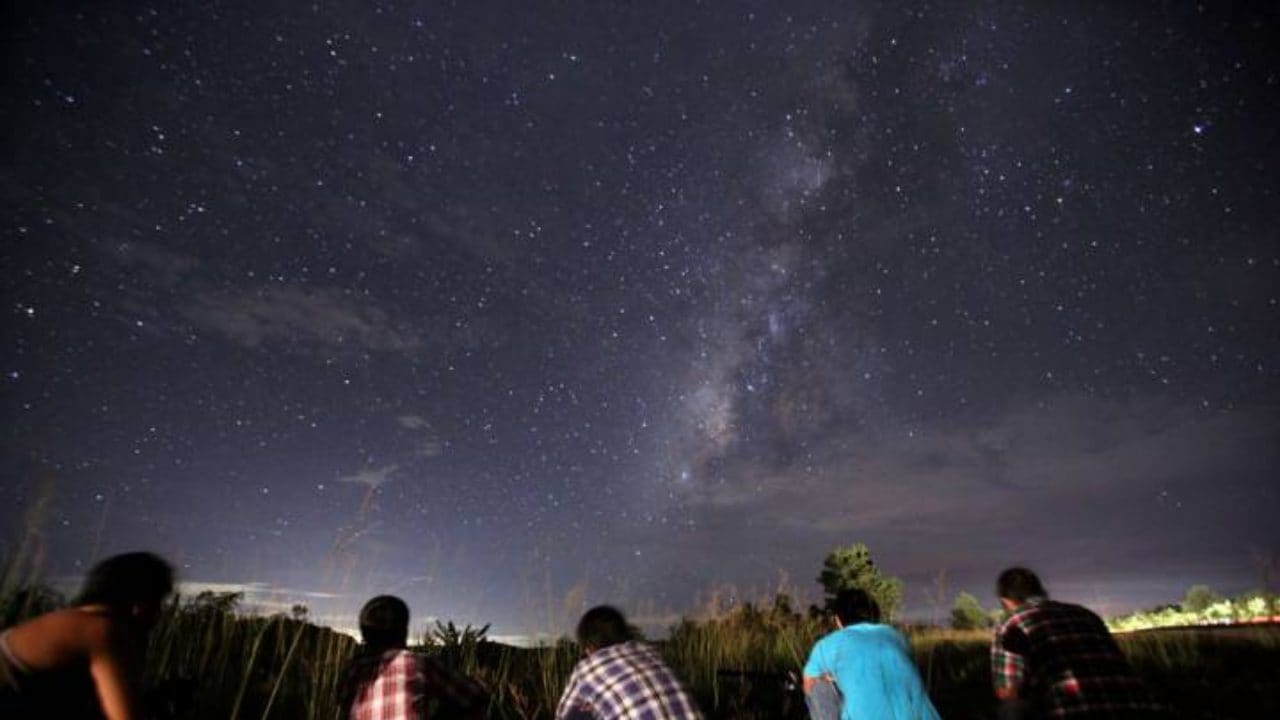
- NASA advises skywatchers to find a spot sheltered and well away from the city or street lights — a parking lot or a large park ideally and carry a sleeping bag or chair along to ensure you're comfortable.
- The radiant of the Quadrantids will fall between the handle of the Big Dipper and the head of the constellation Draco. But while the radiant can help generally spot the patch of sky to observe, it is best to look slightly away from the radiant since the meteors further away from this point last longer in the sky and are more visible.
- If you think you might need your cell phone during this time, lower the amount of blue light and brightness your screen gives off using "night mode". Checking your phone in this mode while skywatching won't affect your night vision as much.

Careless Whispers: Scientists discover that plants can 'talk' to each other using smells
Life on Mars? European Space Agency’s Orbiter discovers ice water deposits at equator
Microsoft briefly overtakes Apple as the most valuable company, Apple back on top again
Even NASA is facing a tough time, starts layoffs following major budget cuts
ISRO, NASA's NISAR satellite to get ready by Jan-end, will monitor Earth's snow-covered regions