


Plant-based diet found to reduce risk of fatal heart diseases, stroke: Study
People who didn’t eat a lot of plant-based meals were also 16 percent more likely to develop heart failure or have non-fatal heart attacks or strokes

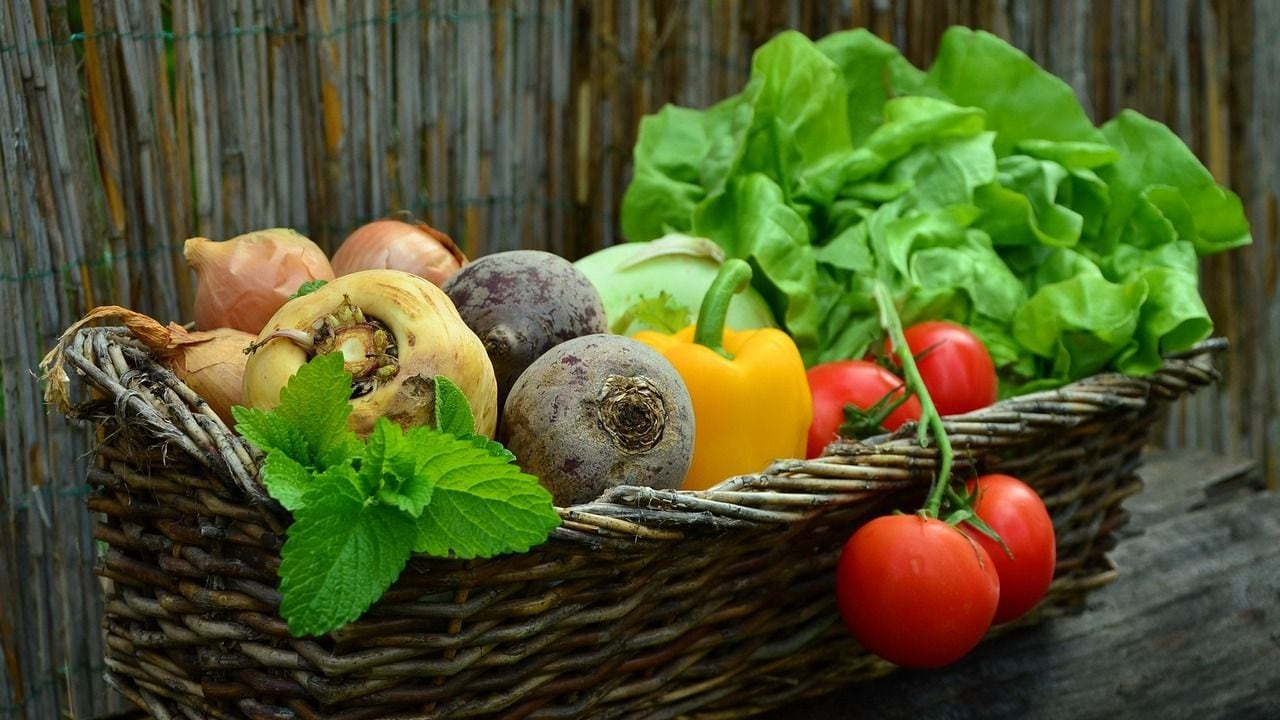
Representational Image[/caption]At the start of the study, participants were 45-64 years old and free of heart disease. Those who most closely adhered to a plant-based or vegetarian diet over the next 30 years were more likely to be women, white, high school graduates, and physically active. They were less likely to be obese, smokers, or to have high blood pressure or diabetes.Vegetarians and those who ate the greatest proportion of healthy plant-based foods were also 16 percent less likely than those who ate the least to be diagnosed with heart disease during the follow-up.But not all vegetarian and plant-based diets were equally beneficial, researchers report in the Journal of the American Heart Association.They looked at four types of diets with regard to the type and amount of plant content: an overall plant-based diet; one based primarily on healthy plants like green vegetables; an entirely vegetarian diet; and a fourth diet that included more unhealthy plant-based meals, based on starches like potatoes, and processed foods.People who followed one of the three healthier diets in the study consumed an average of 4.1 to 4.8 servings of fruits and vegetables and less than one serving of red or processed meat a day.By contrast, people who adhered most closely to the unhealthy plant-based diet consumed an average of 2.3 servings of fruits and vegetables and 1.2 servings of red or processed meat a day.Eating more plant foods and less of animal foods was tied to a lower risk of heart disease and deaths even with an unhealthy plant-based diet, but the benefit wasn’t as pronounced as it was for healthier vegetarian and plant-based diets.The study wasn’t designed to prove whether or how any one way of eating might directly prevent heart disease or premature deaths.One limitation of the study is that researchers relied on participants to accurately recall and report on what they ate. It’s also unclear from the results whether there is an ideal amount of plant or animal foods for optimal heart health or for longevity, the authors note.“It is not a good idea to just suddenly stop eating animals without some knowledge of how to make a vegetarian diet healthy,” said Dr J David Spence, director of the Stroke Prevention & Atherosclerosis Research Centre at Western University in London, Canada.To get enough protein, vegetarians should eat tofu and quinoa and also combine whole grains with legumes like beans and lentils, Spence, who wasn’t involved in the study, said by email.For heart health, a vegetarian diet is one of three good options, said Dr David Jenkins, a nutrition researcher at the University of Toronto who also wasn’t involved in the study.“The other two are the Mediterranean diet - high in fruit and veg and low in meat - and the healthy American diet, also with reduced meat and high fruit and vegetables,” Jenkins said by email.

Careless Whispers: Scientists discover that plants can 'talk' to each other using smells
Life on Mars? European Space Agency’s Orbiter discovers ice water deposits at equator
Microsoft briefly overtakes Apple as the most valuable company, Apple back on top again
Even NASA is facing a tough time, starts layoffs following major budget cuts
ISRO, NASA's NISAR satellite to get ready by Jan-end, will monitor Earth's snow-covered regions