


People from war zones more likely to suffer from mental illnesses like depression
There is a need for mental health support for people who live in long-term war zones as their numbers are significantly higher.

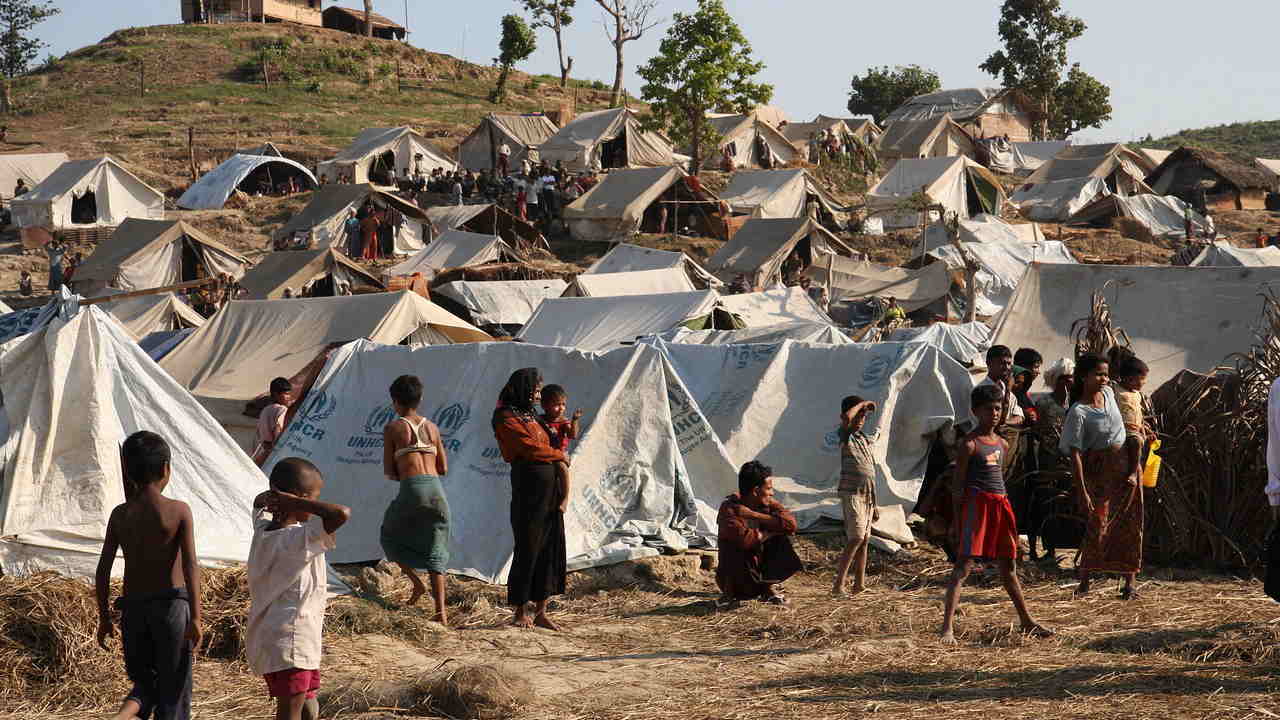
People from war-ravaged areas are more likely to suffer from mental health illnesses. Image credit: Wikipedia[/caption]The WHO’s conflict mental health study, published in The Lancet medical journal, was carried out by a team of researchers from the WHO, Australia’s Queensland University, and the Institute for Health Metrics and Evaluation at the University of Washington and Harvard University in the United States. It analysed research from 129 studies and data from 39 countries published between 1980 and August 2017.Regions that have seen conflict in the last 10 years were included and mental illnesses were categorised as either mild, moderate or severe. Natural disasters and public health emergencies, such as Ebola, were not included.Overall in war zones, the average prevalence was highest for mild mental health conditions, at 13 percent. Around 4 percent of people living amid armed conflict had moderate mental health illness, and for severe conditions, the prevalence was 5 percent.The study also found that rates of depression and anxiety in conflict settings appeared to increase with age, and depression was more common among women than men. The study was funded by the WHO, the Queensland Department of Health and the Bill & Melinda Gates Foundation.

Careless Whispers: Scientists discover that plants can 'talk' to each other using smells
Life on Mars? European Space Agency’s Orbiter discovers ice water deposits at equator
Microsoft briefly overtakes Apple as the most valuable company, Apple back on top again
Even NASA is facing a tough time, starts layoffs following major budget cuts
ISRO, NASA's NISAR satellite to get ready by Jan-end, will monitor Earth's snow-covered regions