


Peatlands keep a lot of carbon out of Earth's atmosphere, but that could end with warming and development
Although they only occupy three percent of the global land area, peatlands contain about 25 percent of global soil carbon — twice as much as the world’s forests.


Tropical peatlands in Panama. Image credit: Angela Gallego-Sala, CC BY-ND[/caption]
From carbon sink to carbon source
Quantifying peatland carbon
Predicting how much carbon will be released from peatlands worldwide is hard to do, especially because no models can adequately represent these ecosystems and the many factors that influence their carbon balance.Peatlands are not included in most earth system models that scientists use to make future climate change projections. There is a long-held view that peatlands are minor players in the global carbon cycle on a year-to-year basis, but our study and many others show that climate change and human intervention are making these ecosystems very dynamic. Our study highlights the need to integrate peatlands into these models; we also hope it can help direct new research.Even though models are not ready, decisions need to be made now about how to manage peatlands. That’s why we surveyed experts as a first step towards predicting the fate of peat carbon worldwide.Based on their responses, we estimate that 100 billion tons of carbon could be emitted from peatlands by 2100 – an amount equivalent to about 10 years of emissions from all human activities, including burning fossil fuels and clearing forests. The experts we consulted have not reached a consensus, and our estimate is highly uncertain: Net changes in peat carbon over the next 80 years could range from a gain of 103 billion tons to a loss of 360 billion tons.Not every region will be affected the same way. High-latitude peatlands might see an increase in carbon storage under a warming climate because of increased plant growth and greater peat accumulation. Tropical peats, on the other hand, are more likely to dry out and burn due to warming temperatures and human activity. These factors and human choices about peatland use will affect whether these areas become carbon sources or sinks in the future.Overall, our results suggest that carbon releases will surpass carbon gains in the coming years, primarily because of human impacts in tropical peatlands. This switch from carbon sink to carbon source will feed a positive feedback loop, with peatlands releasing carbon that makes Earth’s climate warmer, which makes peatlands release more carbon, and so on.[caption id="attachment_9101471" align="alignnone" width="1280"]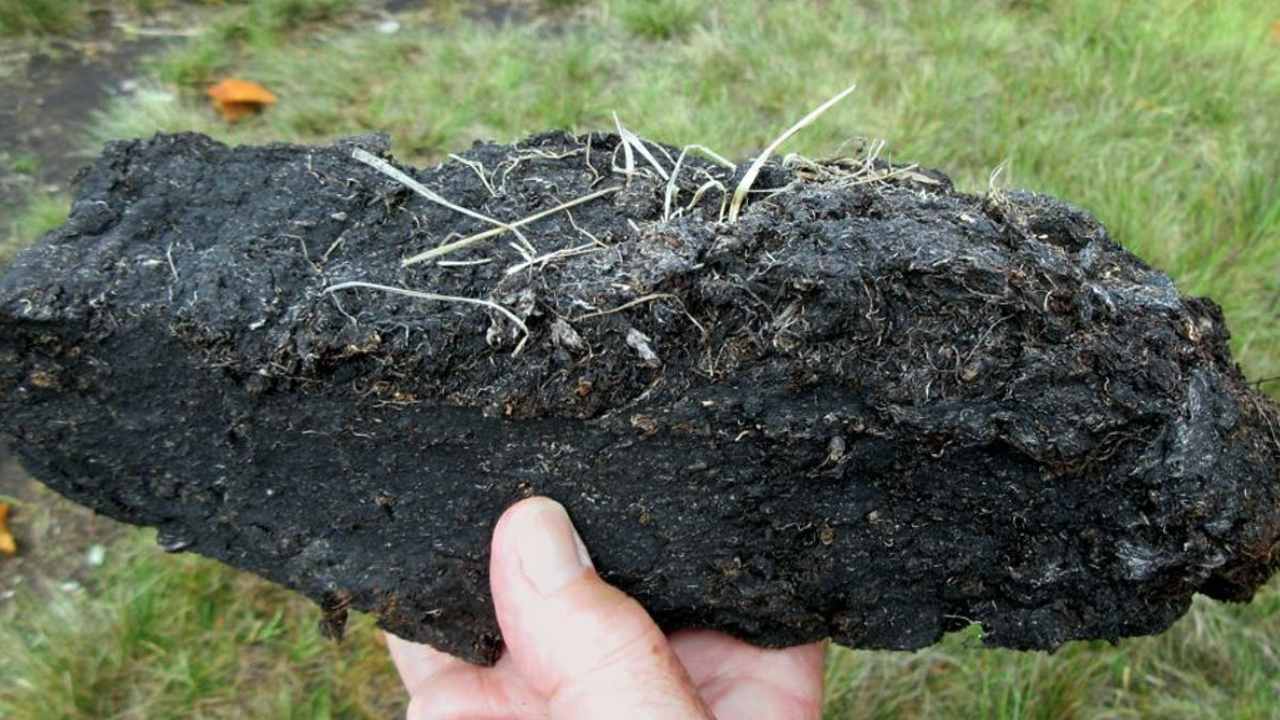
More valuable than it looks. Image credit: David Stanley/Flickr, CC BY[/caption]Despite the uncertainty in our findings, we believe our results show that peatlands should be included in climate models, and that nation should take steps to preserve them.
Toward sustainable use
A balance must be achieved between wise peatland use and local economic needs. Given how much carbon peatlands hold and how vulnerable they are, many surveyed experts believe people soon will adopt more sustainable practices for managing them. But others are not so optimistic. In regions such as the Amazon and the Congo basins, where large peatland complexes were recently discovered, it is critical to take action to preserve them.Peatlands should also be considered in integrated assessment models that researchers use to understand climate change impacts and options for mitigating them. Models that project future socioeconomic change and carbon emission pathways could help develop incentives such as peatland carbon pricing and sustainable use practices. This would change the way these ecosystems are valued and managed.The first step, however, is to raise awareness around the world of this precious natural resource and the consequences of continuing to exploit it. Julie Loisel, Assistant Professor of Geography, Texas A&M UniversityThis article is republished from The Conversation under a Creative Commons license. Read the original article.

Careless Whispers: Scientists discover that plants can 'talk' to each other using smells
Life on Mars? European Space Agency’s Orbiter discovers ice water deposits at equator
Microsoft briefly overtakes Apple as the most valuable company, Apple back on top again
Even NASA is facing a tough time, starts layoffs following major budget cuts
ISRO, NASA's NISAR satellite to get ready by Jan-end, will monitor Earth's snow-covered regions