


Over the past three decades, the South Pole is warming at more than three times the global average
The study suggested that warming was mainly driven by natural tropical climate variability and likely intensified by increases in greenhouse gas.

Climate change has led to a rise in Earth’s temperature. Now, a new study has found that the South Pole has been warming at more than three times the global average over the past 30 years.
The study published in the journal Nature Climate Change suggested that warming was mainly driven by natural tropical climate variability and likely intensified by increases in greenhouse gas.
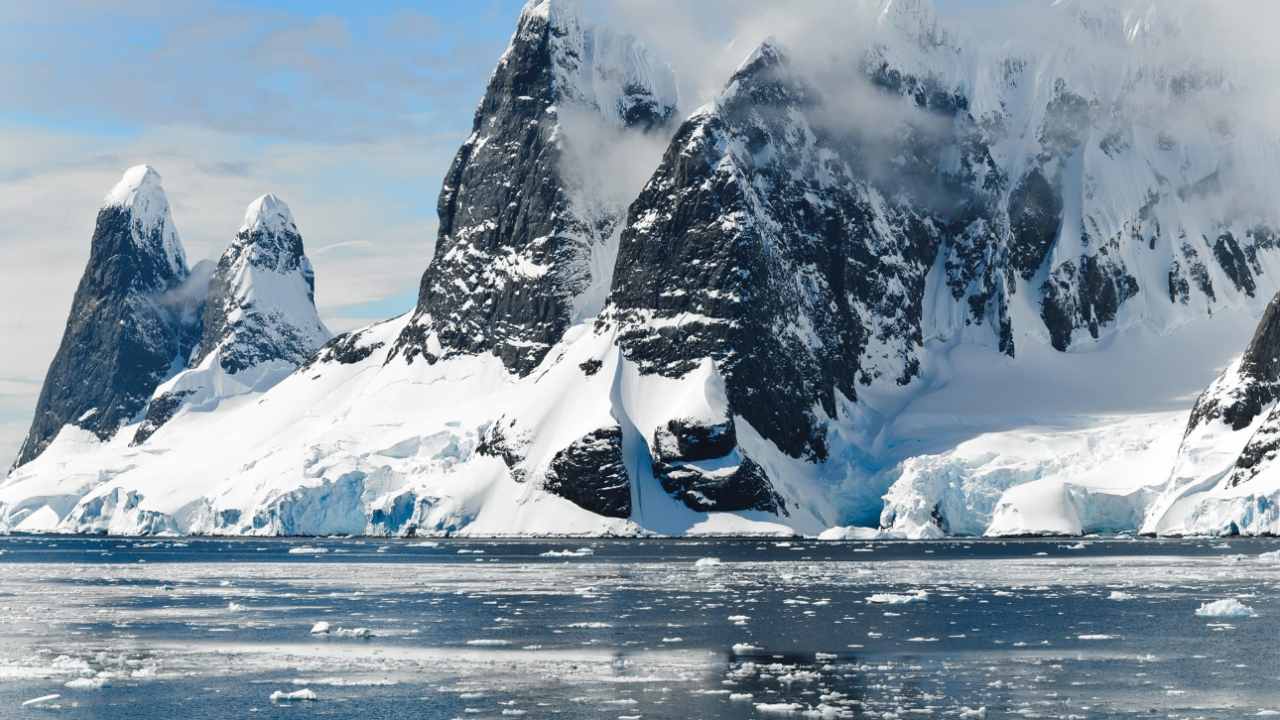
The South Pole cooled until the 1980s and has since warmed substantially.[/caption]Clem revealed that Antarctica experiences some of the most extreme weather and variability on the planet. It has been known to scientists that the outer regions of Antarctica is warming, but they thought the South Pole, is located deep in its interior, was isolated from increasing global temperature, reported CNN.
Most of West Antarctica and the Antarctic Peninsula faced warming and ice-sheet thinning during the late 20th century, the South Pole cooled until the 1980s and has since warmed substantially, according to Science Daily.
The researchers said that these trends took place because of natural and anthropogenic climate change. However, they could not figure out the individual contribution of each factor.
 More from Science
During the study, they analysed weather station data at the South Pole as well as climate models to examine the warming in the Antarctic interior.
The study divulges that between 1989 and 2018, the South Pole had warmed by about 1.8 degrees Celsius over the past 30 years at a rate of +0.6 degrees Celcius per decade. This rate was three times the global average.
The scientists attribute this to warm ocean temperatures in the western tropical Pacific Ocean that changed the winds in the South Atlantic near Antarctica and increased the transportation of warm air to the South Pole.

Careless Whispers: Scientists discover that plants can 'talk' to each other using smells
Life on Mars? European Space Agency’s Orbiter discovers ice water deposits at equator
Microsoft briefly overtakes Apple as the most valuable company, Apple back on top again
Even NASA is facing a tough time, starts layoffs following major budget cuts
ISRO, NASA's NISAR satellite to get ready by Jan-end, will monitor Earth's snow-covered regions