


On the move: NASA's pictures from Mars show where Curiosity rover is headed next
116 images that have been stitched together, show the path that the Curiosity rover will take as it drives to the 'sulfate-bearing unit.'

The National Aeronautics and Space Administration’s (NASA) Curiosity mars rover has set its course for the summer to cross 1.6 kilometres of Martian landscape.
The rover has shared a fascinating image of where it is headed next.
According to NASA, by the end of the trip, the rover will be able to ascend to the next section of the five-kilometre-tall Martian mountain it's been exploring since 2014. This may help it in its search for conditions that may have supported ancient microbial life.[caption id="attachment_8582611" align="alignnone" width="1024"]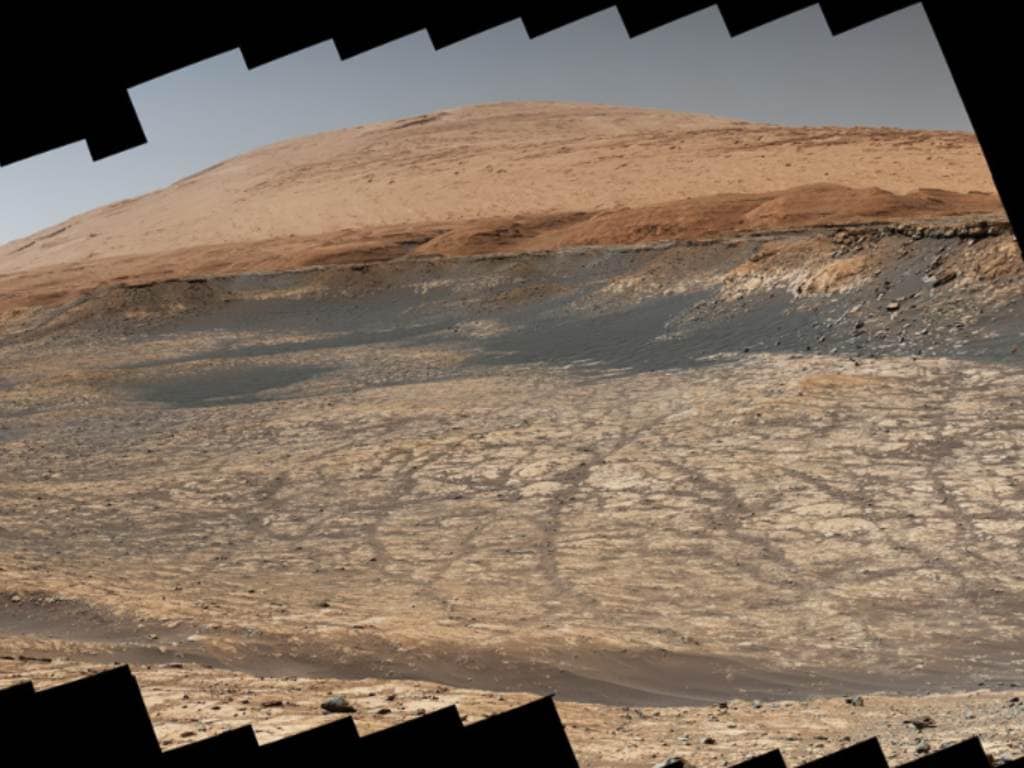
Stitched together from 116 images, this view captured by NASA's Curiosity Mars rover shows the path it will take in the summer of 2020 as it drives toward the next region it will be investigating, the "sulfate-bearing unit."
Credits: NASA/JPL-Caltech/MSSS[/caption]According to NASA, Mount Sharp, which is located on the floor of Gale Crater, is composed of sedimentary layers that have built up over thousands of years. According to researchers, each layer recounts the story of how Marsh changed from being Earth-like (with features such as lakes, streams and a thicker atmosphere), to a nearly airless, desert-like state at present.
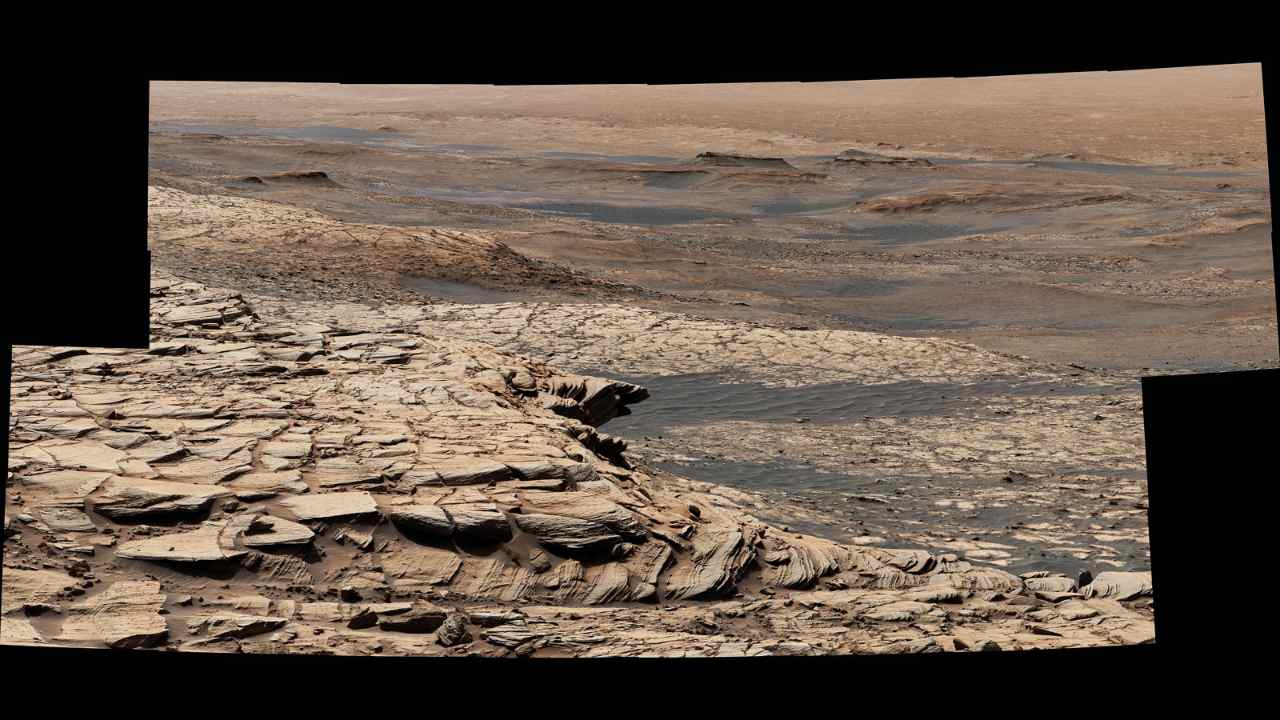
Stitched together from 28 images, NASA's Curiosity Mars rover captured this view from "Greenheugh Pediment" on April 9, 2020, the 2,729th Martian day, or sol, of the mission. In the foreground is the pediment's sandstone cap. At center is the "clay-bearing unit"; the floor of Gale Crater is in the distance.
Credits: NASA/JPL-Caltech/MSSS[/caption]The report mentions that Curiosity has to drive around a large sand patch in order to reach a place where it can ascend to the sulfate-rich region.
The images were taken by the rover's Mast Camera, or Mastcam, on 10 January. It was the 2,641st Martian day of NASA’s Mars mission.
 More from Science
The Mastcam was built and is operated by Malin Space Science Systems in San Diego built and operates Mastcam.
According to NASA, sulfates like gypsum and Epsom salts may be found at the 'sulfate-bearing unit'. These salts usually form around water as it evaporates, and they are yet another clue to how the climate and prospects for life changed nearly 3 billion years ago.

Careless Whispers: Scientists discover that plants can 'talk' to each other using smells
Life on Mars? European Space Agency’s Orbiter discovers ice water deposits at equator
Microsoft briefly overtakes Apple as the most valuable company, Apple back on top again
Even NASA is facing a tough time, starts layoffs following major budget cuts
ISRO, NASA's NISAR satellite to get ready by Jan-end, will monitor Earth's snow-covered regions