


New class of drugs target gut microbes to reduce heart disease risk proposed
TMAO, produced by gut bacteria and found in the blood, is a powerful measure of heart disease risk

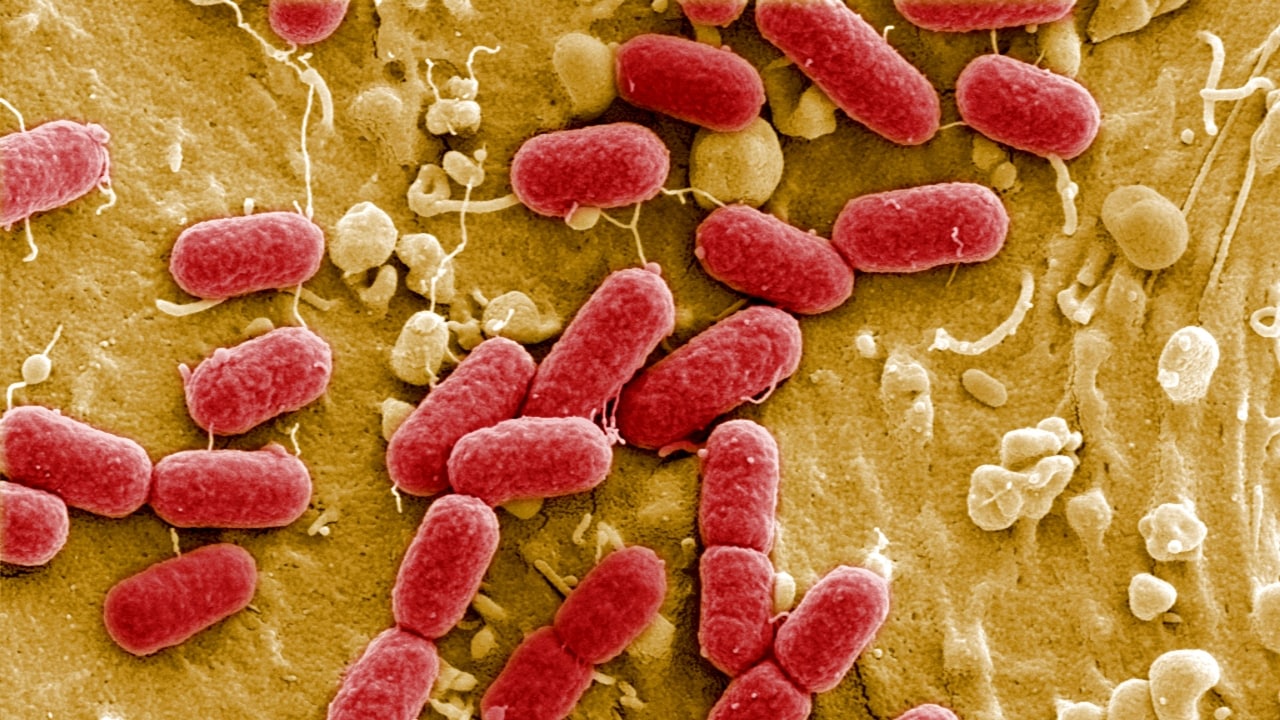
Representational Image. Reuters[/caption]TMAO is produced when gut bacteria digest choline, lechithin and carnitine, which are nutrients abundant in animal products such as red meat and liver.High levels of TMAO in the blood have been shown to be a powerful tool for predicting a future heart attack, stroke and death risks, according to previous research.In the new study, published in the journal Nature Medicine, the compounds are structurally similar to choline, so the bacterial cells are "tricked" into taking them up as nutrients.Once transported into the microbe, they block the production of TMAO by inactivating a specific gut microbe enzyme called choline utilisation protein C.Moreover, a single oral dose of one of the potent inhibitors in animal models significantly reduced TMAO levels in the blood for up to three days and reversed both enhanced platelet responsiveness and heightened clotting formation following arterial injury, the team said."The approach developed could potentially be used to target other gut microbial pathways. We look forward to advancing this novel therapeutic strategy into humans," Hazen said.

Careless Whispers: Scientists discover that plants can 'talk' to each other using smells
Life on Mars? European Space Agency’s Orbiter discovers ice water deposits at equator
Microsoft briefly overtakes Apple as the most valuable company, Apple back on top again
Even NASA is facing a tough time, starts layoffs following major budget cuts
ISRO, NASA's NISAR satellite to get ready by Jan-end, will monitor Earth's snow-covered regions