


Saturn's moon Enceladus could support life, new Cassini findings suggest
Complex organic molecules have been discovered originating from one of Saturn's moons, Enceladus

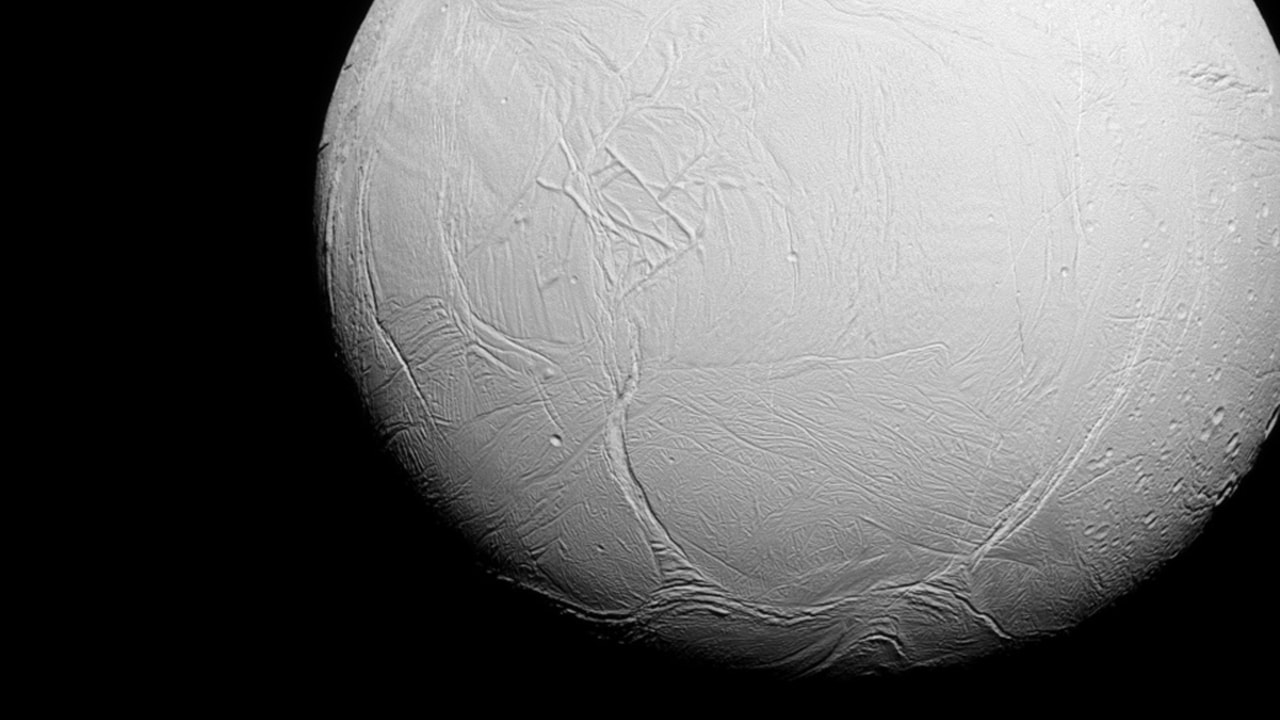
"It is the first ever detection of complex organics coming from an extraterrestrial waterworld," Postberg was quoted as saying in a statement on the European Space Agency's website.Cassini has previously detected lightweight organic molecules at Enceladus but the newly found fragments are much larger. Such large molecules can only be created by complex chemical processes including those related to life, ESA said."This is the most recent in a long series of discoveries made by Cassini that have been painting Enceladus as a potentially habitable water-world," ESA said.However, while this indicates that Enceladus may have conditions that could allow for life, organic compounds can also arise from other sources, such as from meteorites.Postberg said the fragments could come from hydrothermal activity deep within the moon."In my opinion the fragments we found are of hydrothermal origin, having been processed inside the hydrothermally active core of Enceladus: in the high pressures and warm temperatures we expect there, it is possible that complex organic molecules can arise," he said.The Cassini joint mission between NASA, ESA and the Italian space agency came to an end in 2017.

Careless Whispers: Scientists discover that plants can 'talk' to each other using smells
Life on Mars? European Space Agency’s Orbiter discovers ice water deposits at equator
Microsoft briefly overtakes Apple as the most valuable company, Apple back on top again
Even NASA is facing a tough time, starts layoffs following major budget cuts
ISRO, NASA's NISAR satellite to get ready by Jan-end, will monitor Earth's snow-covered regions