


NASA's Curiosity rover on Mars is finally mobile again after September slowdown
The mission team is certain Curiosity will return to full operations, but unsure about how soon.

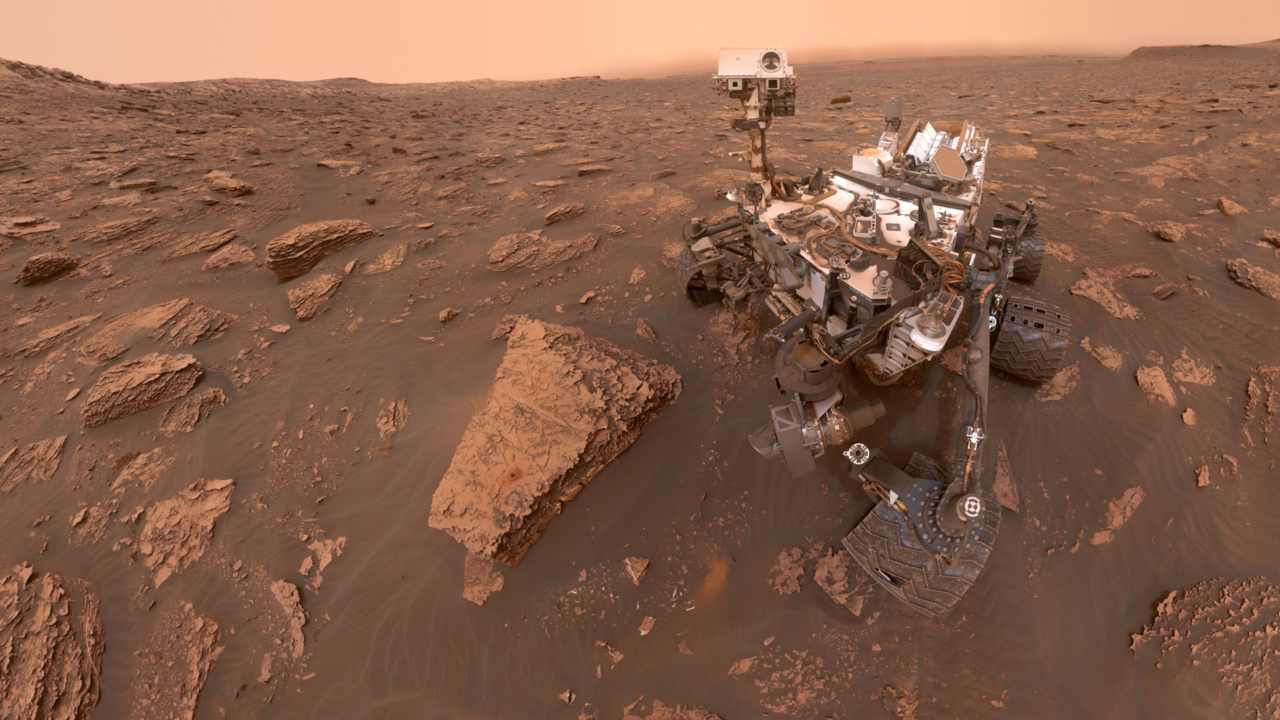
The Curiosity rover's dusty self-portrait after the Mars dust storm cleared in September. Image courtesy: NASA[/caption]The process of troubleshooting could take a long time, to gather information on the cause and workarounds for the memory anomaly on Side B. In the meanwhile, the computer swap has allowed science data and records to be stored in Side A's memory."We're confident we'll be getting back to full operations, but it's too early to say how soon," Steven Lee, the Curiosity mission deputy project manager was quoted to have said."We spent the last week checking out Side A and preparing it for the swap," Lee said."It's certainly possible to run the mission on the Side A computer if we really need to. But our plan is to switch back to Side B as soon as we can fix the problem to utilise its larger memory size."Since those previous attempts, the mission team has worked on better drilling technique and successfully tested them on other drilling sites on Mars.The rover will also be playing it smart this time around — scratching the bedrock's surface using the rover's dust-removal tools to check for softer, more drillable rocks than the last attempt.

Careless Whispers: Scientists discover that plants can 'talk' to each other using smells
Life on Mars? European Space Agency’s Orbiter discovers ice water deposits at equator
Microsoft briefly overtakes Apple as the most valuable company, Apple back on top again
Even NASA is facing a tough time, starts layoffs following major budget cuts
ISRO, NASA's NISAR satellite to get ready by Jan-end, will monitor Earth's snow-covered regions