


NASA successful tests propulsion engines of Orion spacecraft to be used in Artemis
The test lasted for 12 minutes and the system never left the ground during the simulation.

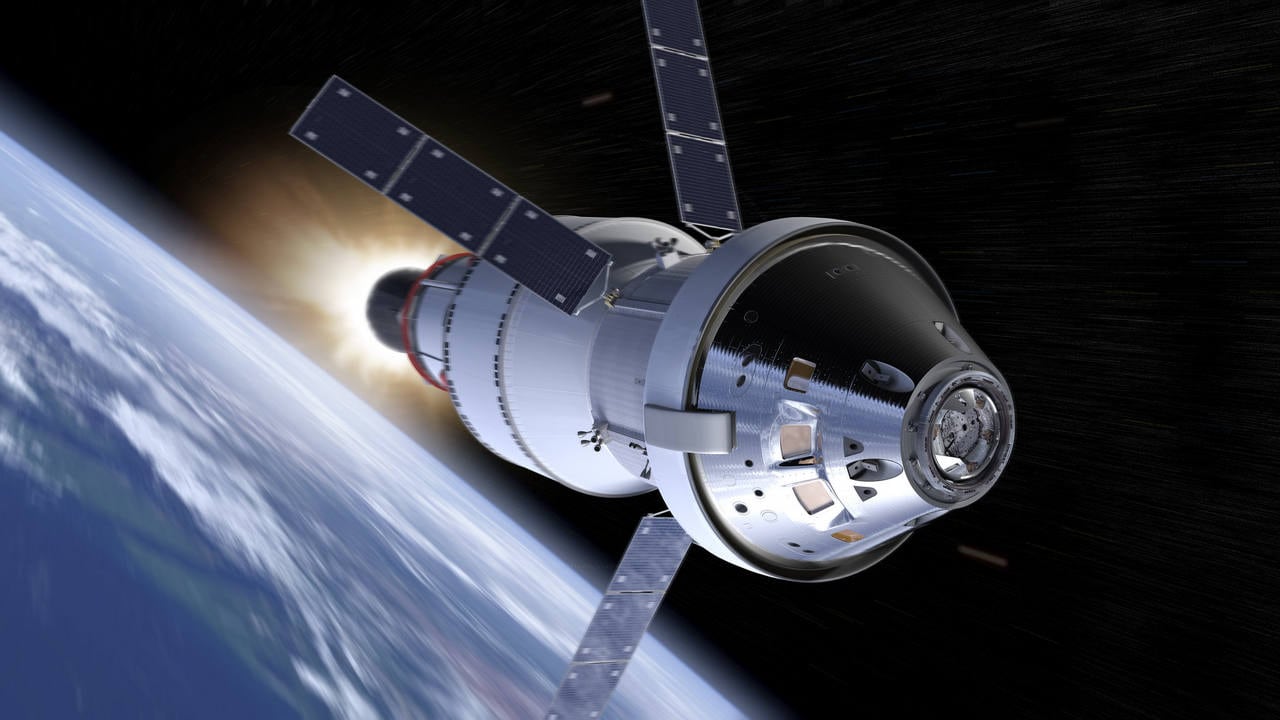
Artist illustration of the Orion spacecraft in space. Image credit: Flickr/NASA Orion[/caption]The test simulated an abort to orbit scenario, which means that if anything goes wrong during the journey to the moon, the module will have enough power to carry the crew to a safe, temporary orbit. This will give the crew and the ground team time to figure out if they should go ahead with the mission with an alternate path or come back to earth.Mark Kirasich, program manager for Orion at NASA’s Johnson Space Center said in a statement, “Inserting Orion into lunar orbit and returning the crew on a trajectory back home to Earth requires extreme precision in both plotting the course and firing the engines to execute that plan. With each testing campaign, we conduct like this one, we’re getting closer to accomplishing our missions to the Moon and beyond.”The test was conducted at NASA’s White Sands Test Facility in New Mexico. The system never left the ground during the simulation of one of the most taxing situations, the abort to orbit scenario, the spacecraft’s engines could encounter after launch.

Careless Whispers: Scientists discover that plants can 'talk' to each other using smells
Life on Mars? European Space Agency’s Orbiter discovers ice water deposits at equator
Microsoft briefly overtakes Apple as the most valuable company, Apple back on top again
Even NASA is facing a tough time, starts layoffs following major budget cuts
ISRO, NASA's NISAR satellite to get ready by Jan-end, will monitor Earth's snow-covered regions