


Moon's surface acts like a 'chemical factory' that can produce water: NASA
Silica in space — whether on the Moon or as space dust — can be used to synthesize water: Researcher.

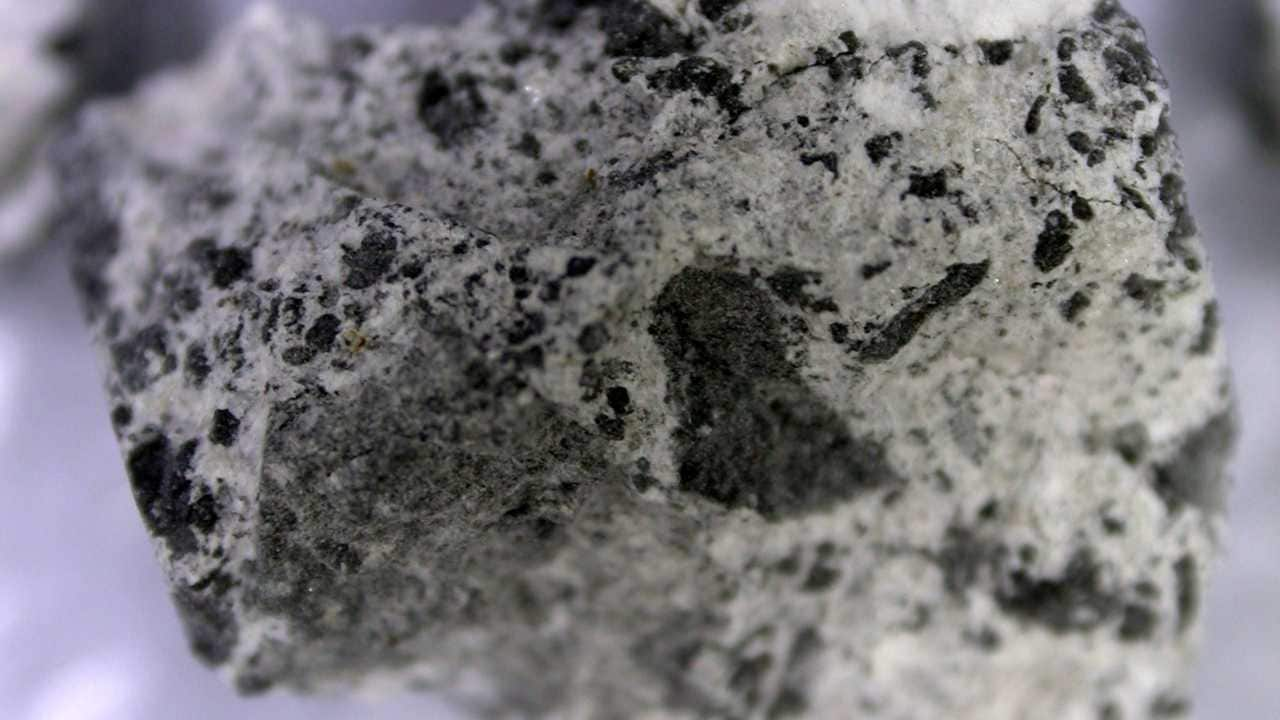
Moon rocks collected from the Apollo 16 mission. Image: Washington University, St Louis[/caption]"The whole process is like a chemical factory," said William M Farrell, a plasma physicist at NASA's Goddard Space Flight Center in the US, who helped develop the simulation.Together, hydrogen and oxygen make the molecule hydroxyl (OH), a component of water."We think of water as this special, magical compound. But here's what's amazing: every rock has the potential to make water, especially after being irradiated by the solar wind," Farell said.Understanding how much water — or its chemical components — is available on the Moon is critical to NASA's goal of sending humans to establish a permanent presence there, said Orenthal James Tucker, a physicist at Goddard."We're trying to learn about the dynamics of transport of valuable resources like hydrogen around the lunar surface and throughout its exosphere, or very thin atmosphere, so we can know where to go to harvest those resources," said Tucker.

Careless Whispers: Scientists discover that plants can 'talk' to each other using smells
Life on Mars? European Space Agency’s Orbiter discovers ice water deposits at equator
Microsoft briefly overtakes Apple as the most valuable company, Apple back on top again
Even NASA is facing a tough time, starts layoffs following major budget cuts
ISRO, NASA's NISAR satellite to get ready by Jan-end, will monitor Earth's snow-covered regions