


Mechanical pollination could replace bees as population drops around the world
Intensive agriculture, the use of pesticides and climate change have caused a drop in the number of natural pollinators - bees - globally.

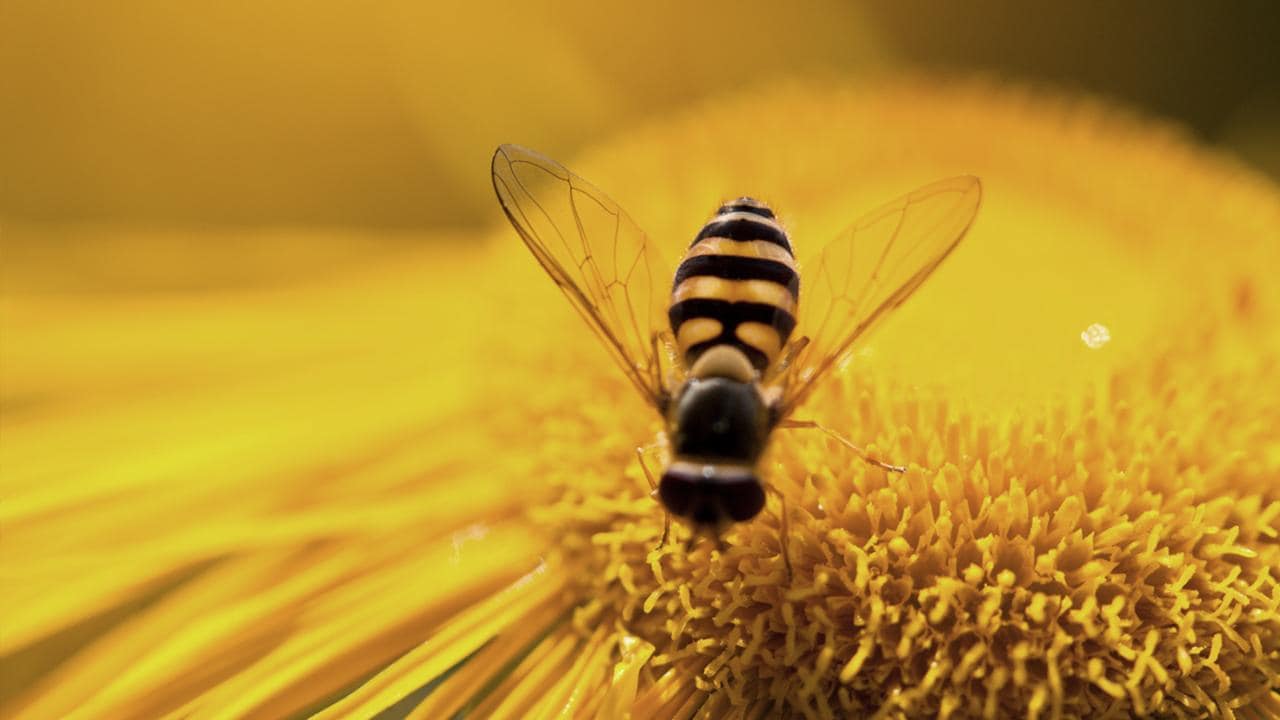
With concerns over the global drop in bee populations, farmers are trying out new new methods of pollinating their crops.[/caption]The job is usually done by natural pollinators - most often bees - but there has been a drastic fall in bee numbers around the world, largely due to intensive agriculture, the use of pesticides and climate change.Most crops rely on pollination, so the trend has worried groups like the U.N. Food and Agriculture Organization as it looks to fight hunger in the growing human population.“We see a crisis in 15 years where we don’t have enough insects in the world to actually do pollination and most of our vitamins and fruits are gone,” said Eylam Ran, CEO of Edete Precision Technologies for Agriculture.His company says its artificial pollinator can augment the labours of - and eventually replace - bees. Its system mirrors the work of the honey bee, beginning with a mechanical harvest of pollen from flowers and ending with a targeted distribution using LIDAR sensors, the same technology used in some self-driving cars.Edete has been working on a small-scale trial in several orchards in Israel and Australia, and has agreements to do the same in the United States. The company hopes to scale up and be ready to sell its products on the market in 2023.

Careless Whispers: Scientists discover that plants can 'talk' to each other using smells
Life on Mars? European Space Agency’s Orbiter discovers ice water deposits at equator
Microsoft briefly overtakes Apple as the most valuable company, Apple back on top again
Even NASA is facing a tough time, starts layoffs following major budget cuts
ISRO, NASA's NISAR satellite to get ready by Jan-end, will monitor Earth's snow-covered regions