


Mars meteorite buried in Antarctica holds evidence of bacterial life on Red Planet
Mineralised forms of organic matter like different kinds of bacteria were found in the meteorite.

Scientists have discovered evidence of different forms of bacteria embedded within a Martian meteorite, suggesting that life may have once existed on the Red Planet.Named ALH-77005, the Martian meteorite was found in the Allan Hills on Antarctica during the mission of the Japanese National Institute of Polar Research between 1977 and 1978.Scientists from the Hungarian Academy of Sciences (HAS) Research Centre for Astronomy and Earth Sciences discovered embedded organic material in the meteorite.[caption id="attachment_6374211" align="alignnone" width="1280"]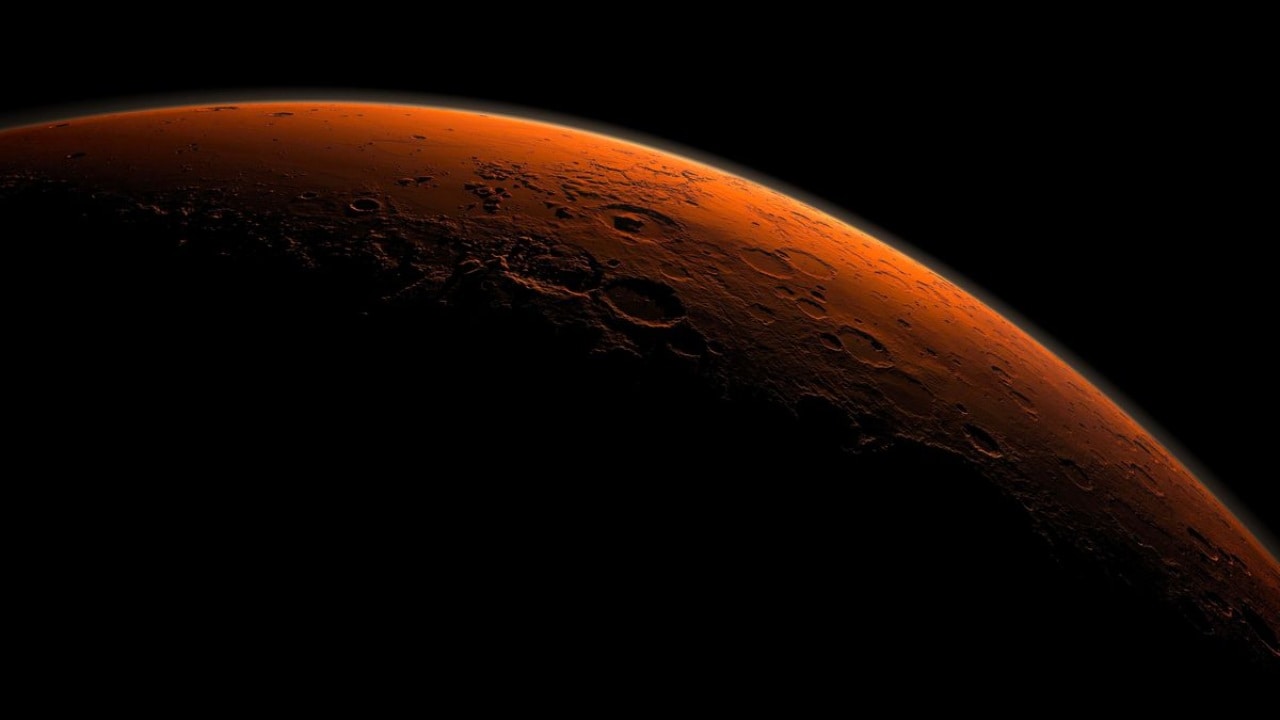 The near-invisible Martian atmosphere.[/caption]They were able to determine the presence of organic matter in mineralised form such as different forms of bacteria within the meteorite."Our work is important to a broad audience because it integrates planetary, earth, biological, chemical, and environmental sciences and will be of interest to many researchers in those fields," said Ildiko Gyollai from HAS Research Centre for Astronomy and Earth Sciences."The research will also be of interest to planetologists, experts of meteorite and astrobiology as well as researchers of the origin of life, and to the general public since it offers an example of a novel aspect of microbial mediation in stone meteorites," said Gyollai, lead author of the study published in the journal Open Astronomy.[caption id="attachment_6412711" align="alignnone" width="1024"]
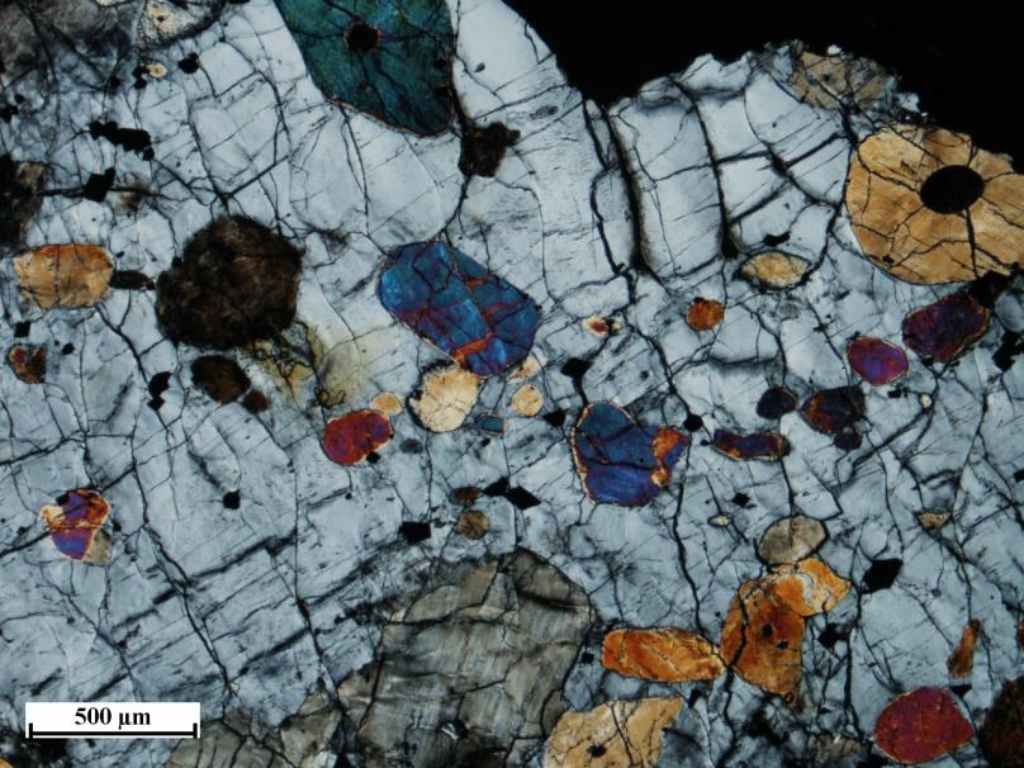 Poicilitic texture in a sample of the ALH-77005. Image credit: Ildiko Gyollai[/caption]The research could change the examination of meteorites in the future.In light of their discovery, the authors posit that solar system materials should be studied to establish whether there is evidence of microbial forms within space rocks — and an indication that there was once life on Mars.

Careless Whispers: Scientists discover that plants can 'talk' to each other using smells
Life on Mars? European Space Agency’s Orbiter discovers ice water deposits at equator
Microsoft briefly overtakes Apple as the most valuable company, Apple back on top again
Even NASA is facing a tough time, starts layoffs following major budget cuts
ISRO, NASA's NISAR satellite to get ready by Jan-end, will monitor Earth's snow-covered regions