


Mars' Gale Crater 3 billion years ago resembled Iceland in terrain, temperature: study
Techniques of comparing Mars’ samples with present day Earth can help us find a lot more, the researchers said.

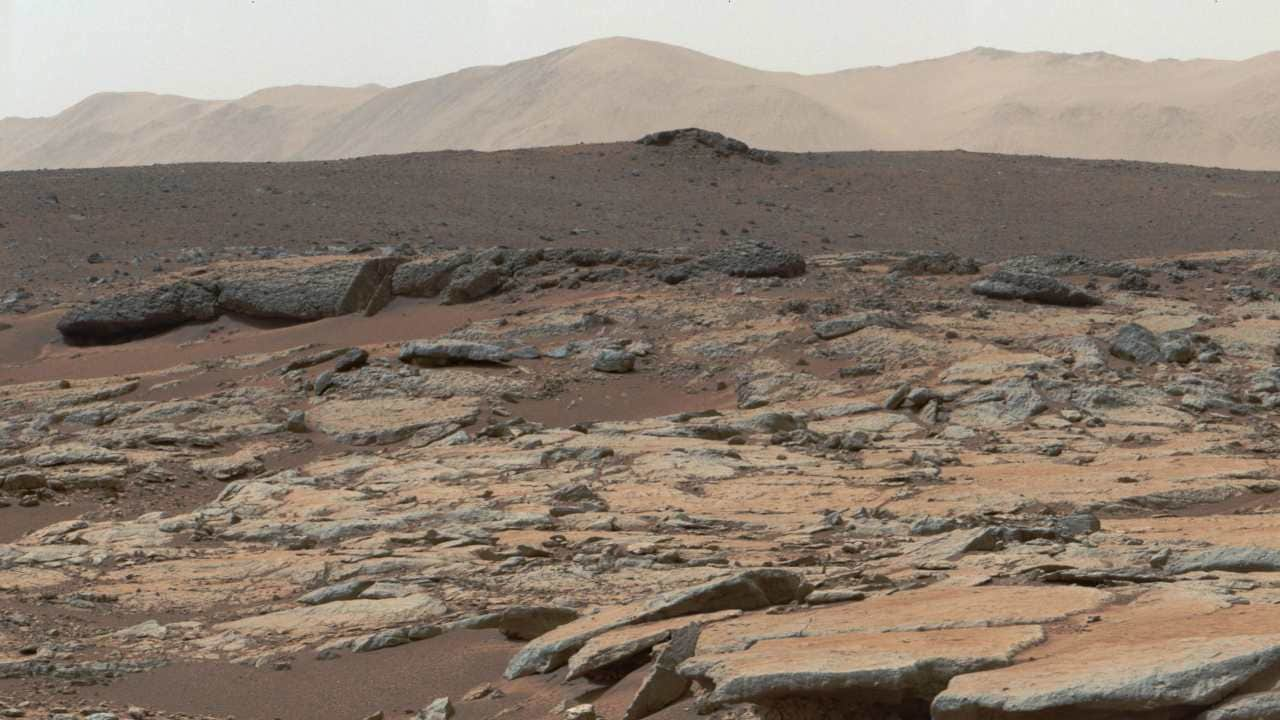
The landing site for NASA's Mars rover Curiosity was chosen for giving the mission access to examine the lower layers of a mountain inside Gale Crater. Image: NASA[/caption]The study was published in the journal JGR Planets and uses data from varying terrains on Earth like in Iceland, Idaho and other regions. While data collected from the NASA Curiosity rover was able to answer details about the chemical and physical states of mudstones formed in an ancient lake in Mars, it was not enough to suggest the possible climate conditions when the sediment eroded upstream. It is known that the crater housed a lake, but it is not known whether the planet was home to mostly rivers and lakes or snow and glaciers.Michael Thorpe, who was part of study, explained that sedimentary rocks in Gale Crater suggest the actual climate was somewhere in the middle of the two extremes. “The ancient climate was likely frigid but also appears to have supported liquid water in lakes for extended periods of time.”The researchers also said that similar techniques of comparing Mars’ samples with present day Earth can help us find a lot more and this can be done with the findings of Perseverance.

Careless Whispers: Scientists discover that plants can 'talk' to each other using smells
Life on Mars? European Space Agency’s Orbiter discovers ice water deposits at equator
Microsoft briefly overtakes Apple as the most valuable company, Apple back on top again
Even NASA is facing a tough time, starts layoffs following major budget cuts
ISRO, NASA's NISAR satellite to get ready by Jan-end, will monitor Earth's snow-covered regions