


Living Robots: Machines that eat, mutate like living beings built by Cornell engineers
The machine isn't technically 'alive', just closer to it than any other 'living robots in existence.

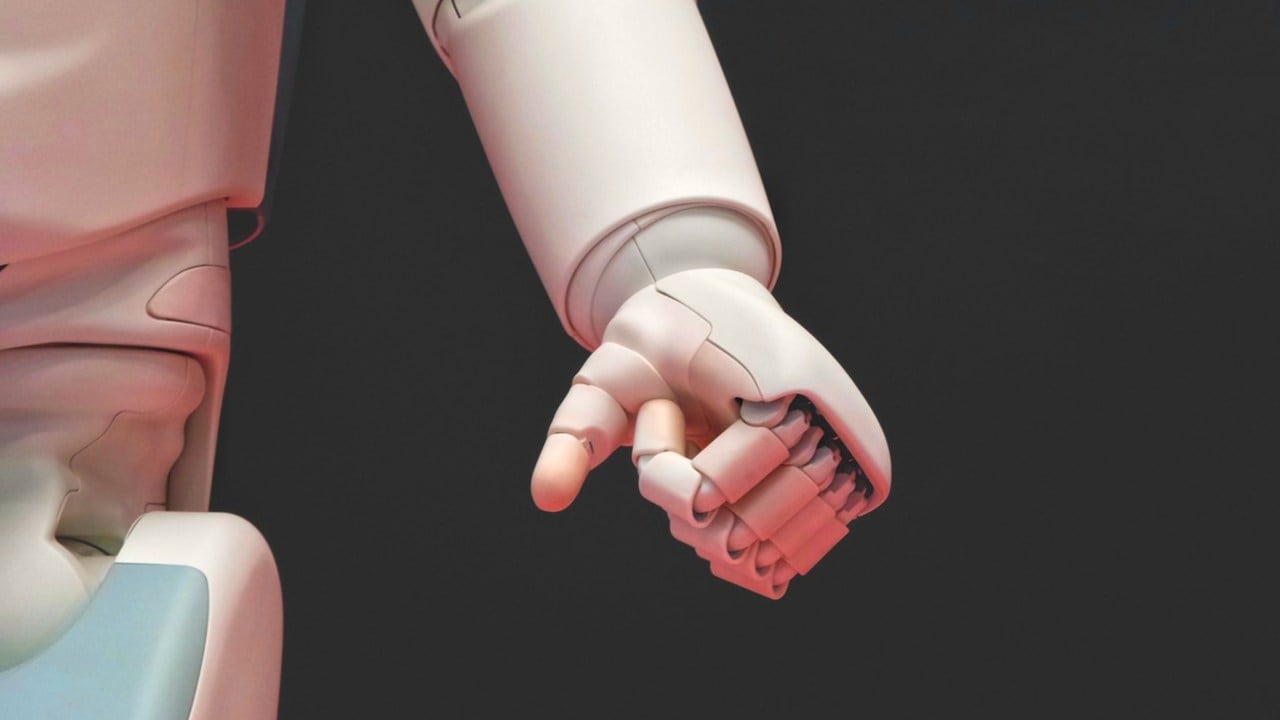
Representational image. Unsplash[/caption]Through this system, DNA molecules are synthesized and assembled into patterns in a hierarchical way, resulting in something that can perpetuate a dynamic, autonomous process of growth and decay.The brand-new lifelike material has its own state-of-the-art artificial metabolism but isn't technically "alive", just further along than any other "living robots" in existence, according to a report in the Cornell Chronicle."The designs are still primitive, but they showed a new route to create dynamic machines from biomolecules. We are at a first step of building lifelike robots by artificial metabolism," Shogo Hamada, an associate in the College of Agriculture and Life Sciences at Cornell University, said in a statement. "Artificial metabolism could open a new frontier in robotics. Even from a simple design, we were able to create sophisticated behaviors like racing," Hamada added.All of the robot's abilities — from movement to chewing to "competing" — are all inbuilt and self-contained. "More excitingly, the use of DNA gives the whole system a self-evolutionary possibility. That is huge," Luo said in the statement.

Careless Whispers: Scientists discover that plants can 'talk' to each other using smells
Life on Mars? European Space Agency’s Orbiter discovers ice water deposits at equator
Microsoft briefly overtakes Apple as the most valuable company, Apple back on top again
Even NASA is facing a tough time, starts layoffs following major budget cuts
ISRO, NASA's NISAR satellite to get ready by Jan-end, will monitor Earth's snow-covered regions