


Living Fossil: African coelacanth is not 65 mn years-old as evolution is evident in its genes
The fish went on to earn the moniker 'living fossil' because of its anatomy that resembled fossilised records.

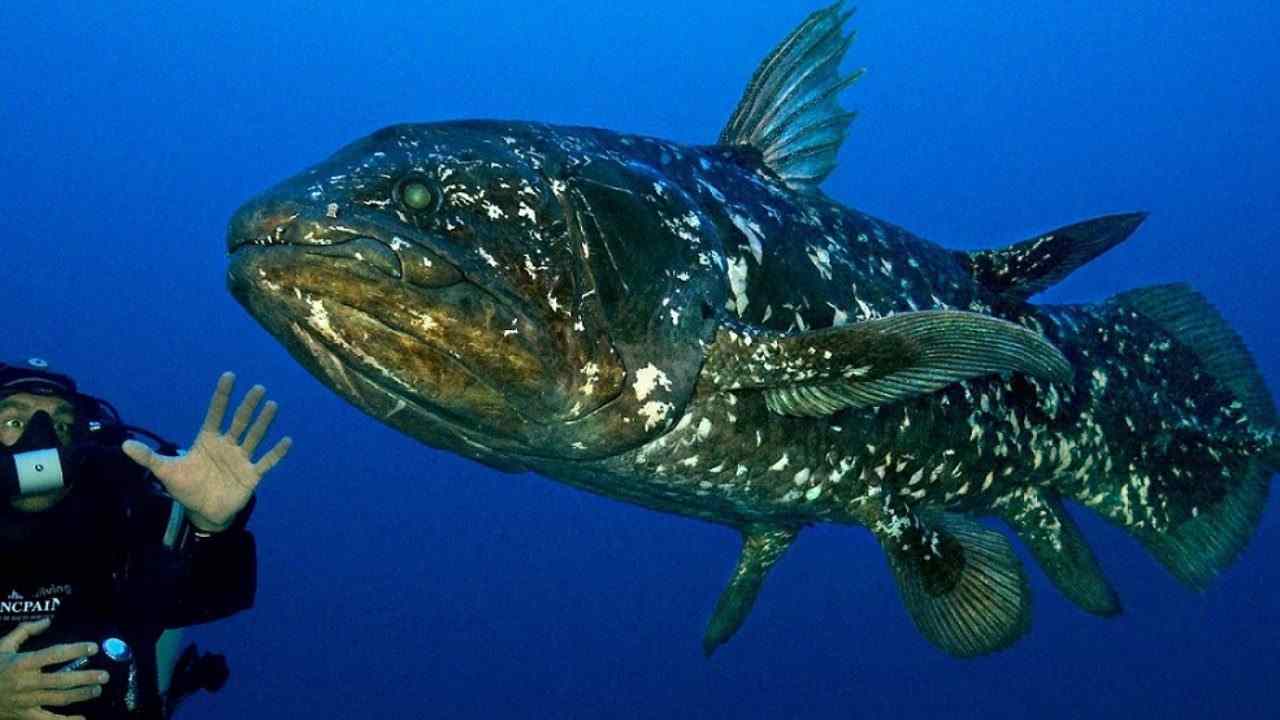
The primitive-looking coelacanth has long been regarded as a 'living fossil,' with extant specimens looking very similar to fossils dating back to the Cretaceous period. Image: Epic Wildife/Youtube[/caption]Senior study author Tim Hughes stated that their findings provide a striking example of transposons contributing to the host genome, adding that while they do not know what the 62 genes are doing, but many of them encode DNA-binding proteins and probably have a role in gene regulation.Lead study author Isaac Yellan stated that it was surprising to see coelacanths pop out among vertebrates since they have an undeserved reputation of being a living fossil."The coelacanth may have evolved a bit more slowly, but it is certainly not a fossil," Yellan added.Study authors have deduced that the transposons came into various lineages at different times by being carried between species through what's known as horizontal gene transfer.The study's findings were published in the journal Molecular Biology and Evolution.

Careless Whispers: Scientists discover that plants can 'talk' to each other using smells
Life on Mars? European Space Agency’s Orbiter discovers ice water deposits at equator
Microsoft briefly overtakes Apple as the most valuable company, Apple back on top again
Even NASA is facing a tough time, starts layoffs following major budget cuts
ISRO, NASA's NISAR satellite to get ready by Jan-end, will monitor Earth's snow-covered regions