


Lifespan of mice dramatically extended in new breakthrough telomere-aging study
Much of the research around longevity focuses on keeping telomeres intact, healthy and strong for as long as possible.

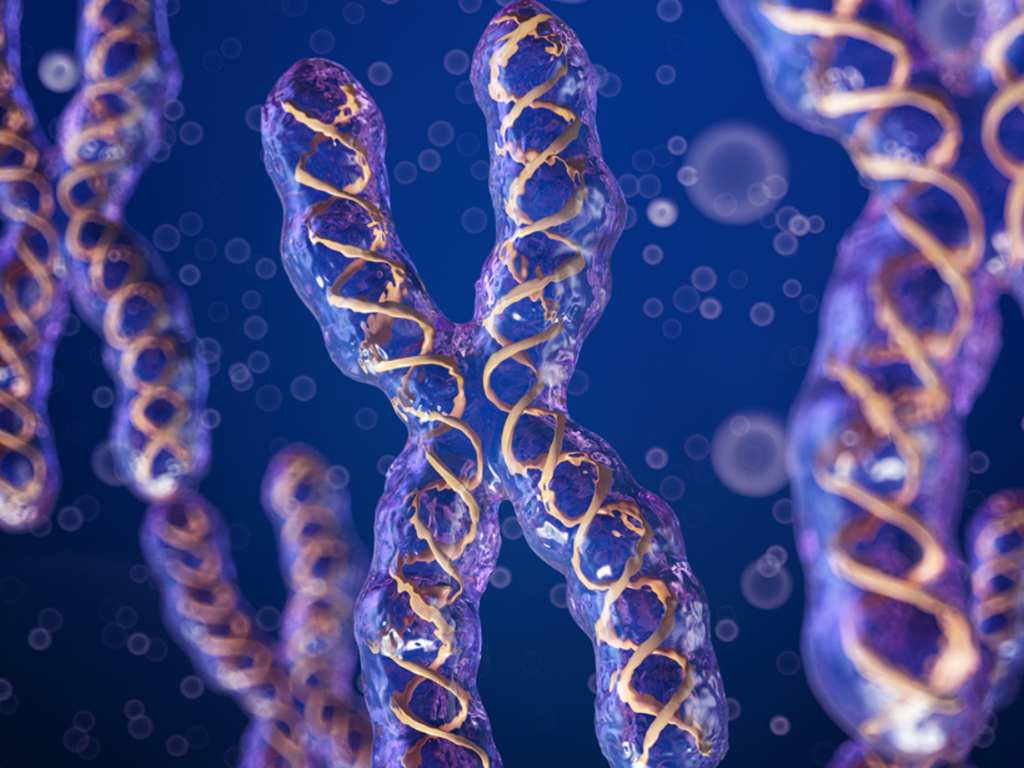
An illustration of the human X chromosome in fluid with yellow DNA strands inside. Image: Getty[/caption]In new research that builds on past findings, scientists have found that a certain kind of stem cell — induced pluripotent stem cells (iPS) and embryonic stem cells — have telomeres twice as long as in regular cells. These iPS cells, when left to divide in a laboratory petri dish, produces more identical cells with extra-long telomeres.Unlike aging studies thus far, where researchers have used modifications to DNA to target aging, scientists used the natural feature of these pairs of cells to maintain extra-long telomeres.Researchers in the new study used embryonic cells with these doubly long telomeres to breed chimeric mice without the use of any genetic modifications at all."This finding supports the idea that, when it comes to determining longevity, genes are not the only thing to consider," Maria Blasco, molecular biologist from the Spanish National Cancer Research Centre (CNIO), said in a statement. "There is a margin for extending life without altering the genes."

Careless Whispers: Scientists discover that plants can 'talk' to each other using smells
Life on Mars? European Space Agency’s Orbiter discovers ice water deposits at equator
Microsoft briefly overtakes Apple as the most valuable company, Apple back on top again
Even NASA is facing a tough time, starts layoffs following major budget cuts
ISRO, NASA's NISAR satellite to get ready by Jan-end, will monitor Earth's snow-covered regions