


Laziness could be behind the extinction of the Homo Erectus species: Study
According to the study, 'laziness' and an inability to adapt led to the species' extinction.

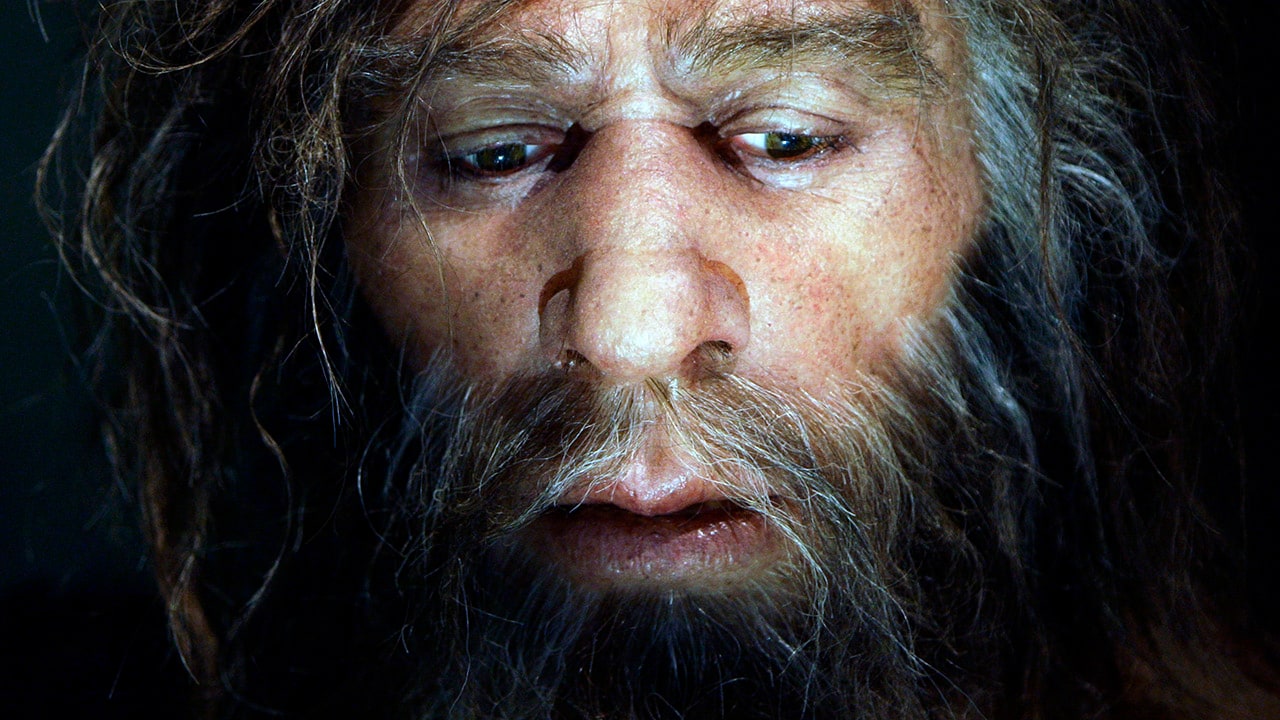
Representational image. Reuters[/caption]"They really don't seem to have been pushing themselves," Shipton noted, in the paper published in the journal PLoS One.The excavation at the site of Saffaqah near Dawadmi in central Saudi Arabia, showed "no signs of any activity, no artefacts and no quarrying of the stone".This is in contrast to the stone tool makers of later periods, including early Homo sapiens and Neanderthals, who were climbing mountains to find good quality stone and transporting it over long distances, Shipton said.Moreover, a failure to progress technologically, as their environment dried out into a desert, also contributed to the population's demise."The sediment samples showed the environment around them was changing, but they were doing the exact same things with their tools," Shipton said."There was no progression at all, and their tools are never very far from these now dry river beds. I think in the end the environment just got too dry for them," he added.

Careless Whispers: Scientists discover that plants can 'talk' to each other using smells
Life on Mars? European Space Agency’s Orbiter discovers ice water deposits at equator
Microsoft briefly overtakes Apple as the most valuable company, Apple back on top again
Even NASA is facing a tough time, starts layoffs following major budget cuts
ISRO, NASA's NISAR satellite to get ready by Jan-end, will monitor Earth's snow-covered regions