


Kidneys grown in rat embryos may help in growing human kidneys for transplant
Scientists say that "complex ethical issues" remain before the process could be used for human organs.

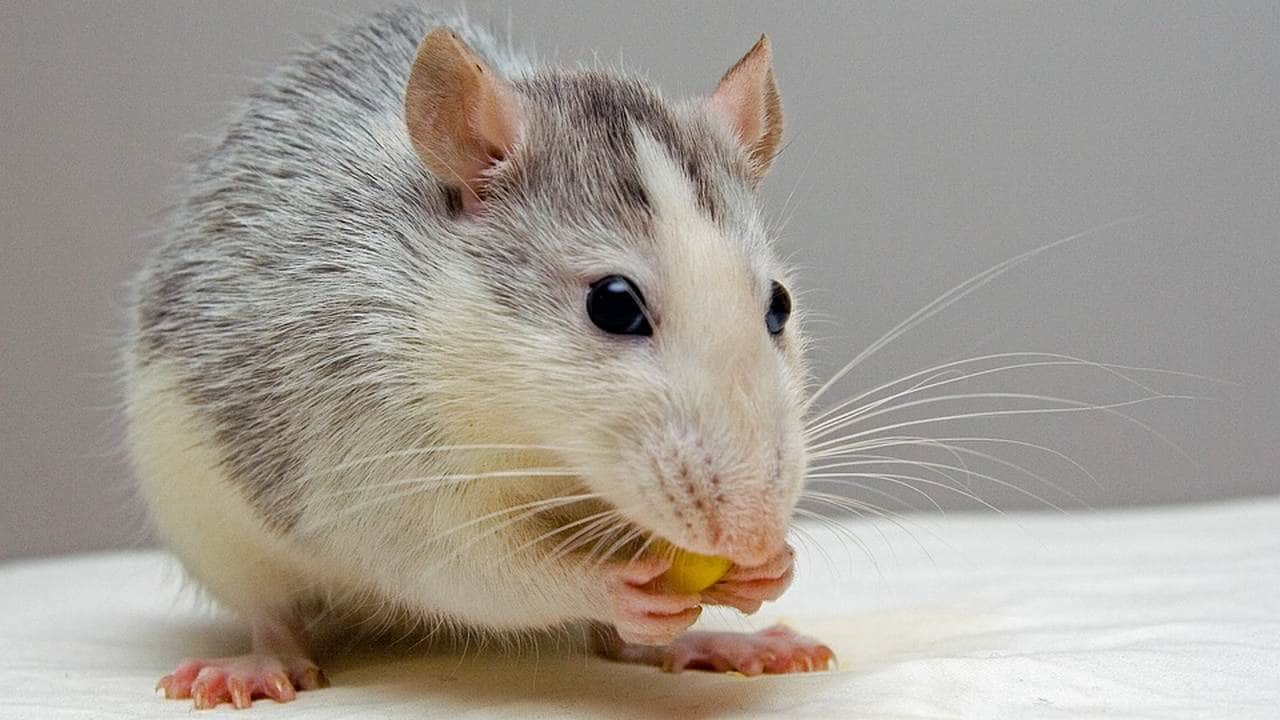
Representational image.[/caption]Short-lived subjects"Rat stem cells did not readily differentiate into the two main types of cells needed for kidney formation," said Masumi Hirabayashi, an associate professor at Japan's National Institute for Physiological Sciences, who supervised the study.Conversely, "mouse stem cells efficiently differentiated... forming the basic structures of a kidney," he told AFP.The reason for the difference is still not entirely clear, but the researchers believe "environmental cues" inside the mice are likely to blame, rather than the stem cells or technique.But even in the rat embryos, the technique was not without problems.While the rats developed apparently functional kidneys, including with proper connections to the ureter — tubes that link the kidneys to the bladder — they died shortly after birth because they did not suckle properly.Removing the genes that allow kidneys to develop in utero appears to have also removed their sense of smell, so the newborns failed to detect milk and died.Their short lives meant limited testing could be done on their kidney function, but Hirabayashi said the organs appeared functional "based on anatomical observations."There are other concerns: growing a kidney in a host from another species could lead to "contamination" of the organ with cells from the host.Ethical concernsAnd the process of growing human organs in animals poses an ethical conundrum because human stem cells could develop into brain or reproductive organ cells in the host."The main ethical concerns are the risk of consciousness and/or gamete (reproductive cell) production," said Hirabayashi."There are serious technical barriers and complex ethical issues that must be discussed and solved before producing human organs in animals," he added.In the short-term, additional research is likely to focus on ways to genetically modify host rats without lethal side effects.If successful, researchers will then want to run more tests on the stem cell-derived kidneys, and try to transplant them from the hosts to other animals.Eventually, tests could involve trying to grow human organs.Pigs are usually considered the best hosts for human organ regeneration, but pig embryos only develop for 16 weeks, unlike the 40 weeks that human babies grow, meaning the species might not be suitable for growing organs in embryos.Cattle, with a 40-week gestation, could be another option.Hirabayashi said he was hopeful he would see human organs grown in animal hosts in his lifetime."I don't know exactly the end of my lifetime — tomorrow? Thirty years? But I very much expect to hear the news.

Careless Whispers: Scientists discover that plants can 'talk' to each other using smells
Life on Mars? European Space Agency’s Orbiter discovers ice water deposits at equator
Microsoft briefly overtakes Apple as the most valuable company, Apple back on top again
Even NASA is facing a tough time, starts layoffs following major budget cuts
ISRO, NASA's NISAR satellite to get ready by Jan-end, will monitor Earth's snow-covered regions