


ISRO, telecom ministry in talks to set up new network of communications satellites
ISRO's GSATs, located 36,000 kms away, cause a time-lag between transmission & reception of signals.

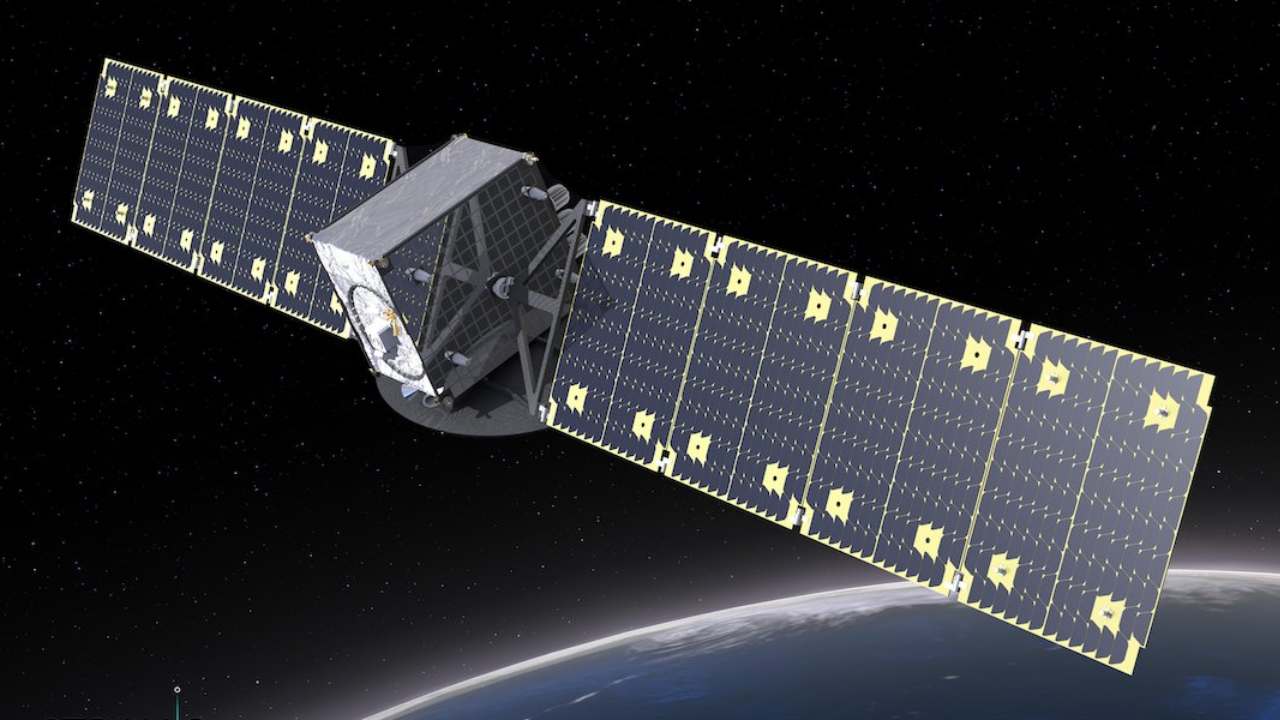
Representational image. Image courtesy: Astranis[/caption]All the GSAT satellite are geostationary (GEO) satellites located at distance of 36,000 kilometers, which results in time-lag between transmission and reception of signals.In case of voice calls made using GEO satellite connection, callers get to hear voice after lag of 20 milliseconds.“Latency in data signal is not good for mission-critical applications. Even experience during voice call is not good. People are required to wait to listen to someone on the other side. LEO satellites will be placed in orbit at distance of around 2,000 kilometers. This will reduce latency in signals,” the official said.He said that the capacity on satellites can be used by telecom operators for various kind of services, especially in remote areas and places where it is difficult to build networks.“There is plan to have 100 percent connectivity across the country. The proposed satellite will be owned by DoT and bandwidth rates are expected to come down. Operators can also use these for in-flight and maritime mobile services. Initial focus is to bring 100 percent coverage in rural areas,” the official said.Hughes India, one of the applicant for in-flight and maritime (IFMC) mobile services, has said that satellite bandwidth cost provided by the Department of Space are significantly expensive and can play a spoiler in uptake of IFMC services as these would make the facility costlier by 30-50 times at ₹700-1,000 for a two-hour journey.

Careless Whispers: Scientists discover that plants can 'talk' to each other using smells
Life on Mars? European Space Agency’s Orbiter discovers ice water deposits at equator
Microsoft briefly overtakes Apple as the most valuable company, Apple back on top again
Even NASA is facing a tough time, starts layoffs following major budget cuts
ISRO, NASA's NISAR satellite to get ready by Jan-end, will monitor Earth's snow-covered regions