


Infertility in young women may have driven the Neanderthals to their extinction
Fossils are scarce and the answer to why the women started having fewer babies is still up for debate.

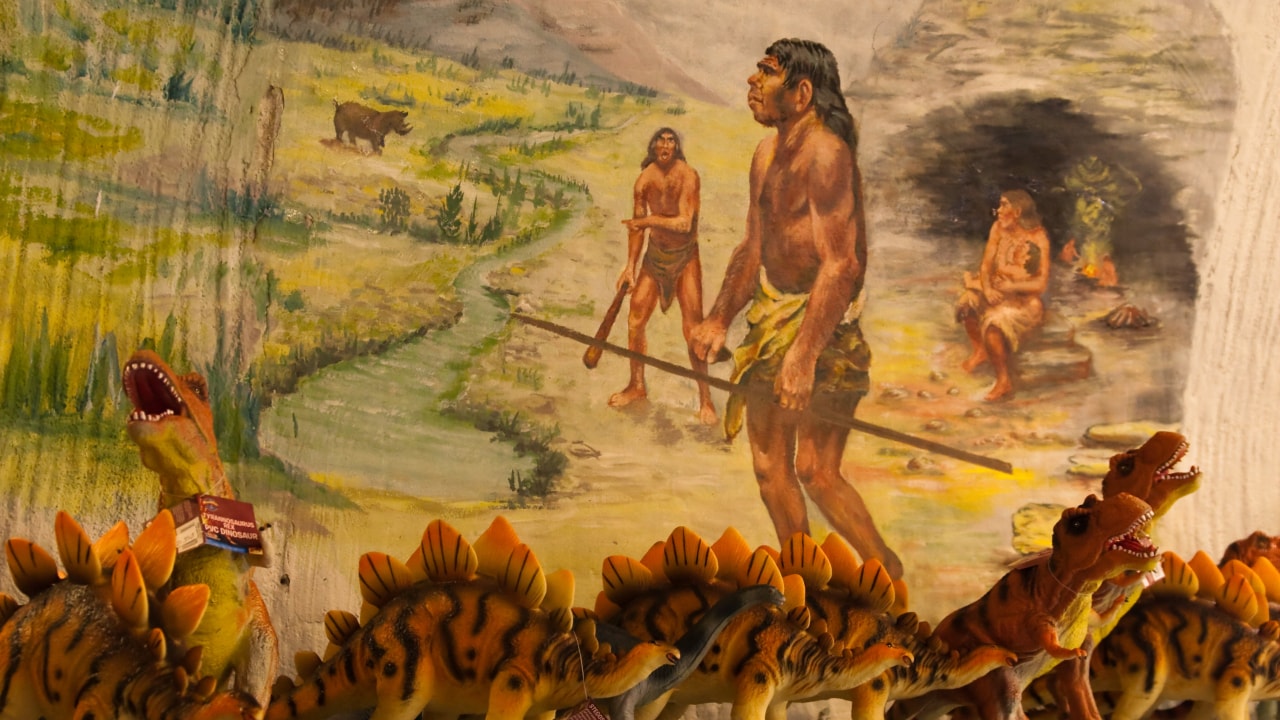
Representational image. Flickr[/caption]They created parameters for factors like survival, migration and fertility rates based on observational data from modern hunter-gatherer groups and large apes, as well as available data on Neanderthals from earlier paleo-genetic studies. This led them to conclude that certain hypotheses about Neanderthals' extinction, such as the rise in an infant or adult mortality that is linked to disease epidemics or warfare, were not likely."That would bring about a disappearance that was too rapid," Silvana Condemi, an anthropologist from Aix-Marseille University and a co-author of the study, told AFP."On the other hand, a very slight dip in the fertility rate of young women is compatible with the known timeframe of extinction," she continued. "This reduction need only be very small but would suffice over a long enough time to lead to the Neanderthals' disappearance."Perhaps the arrival of Homo sapiens placed progressive food stresses upon Neanderthals. "A reduction in food, and therefore of calories, is detrimental for pregnancies," said Condemi.But the authors stressed their purpose was not to explain "why" the Neanderthals disappeared but "how." So long as the fossil record remains scarce, the answer to why young female Neanderthals started having fewer babies will remain an area of debate.

Careless Whispers: Scientists discover that plants can 'talk' to each other using smells
Life on Mars? European Space Agency’s Orbiter discovers ice water deposits at equator
Microsoft briefly overtakes Apple as the most valuable company, Apple back on top again
Even NASA is facing a tough time, starts layoffs following major budget cuts
ISRO, NASA's NISAR satellite to get ready by Jan-end, will monitor Earth's snow-covered regions