


How complex social structures helped humans transition from claws to nails
Research suggests the descent of primates leading up to mammals such as monkeys, apes and humans had a specialised claw

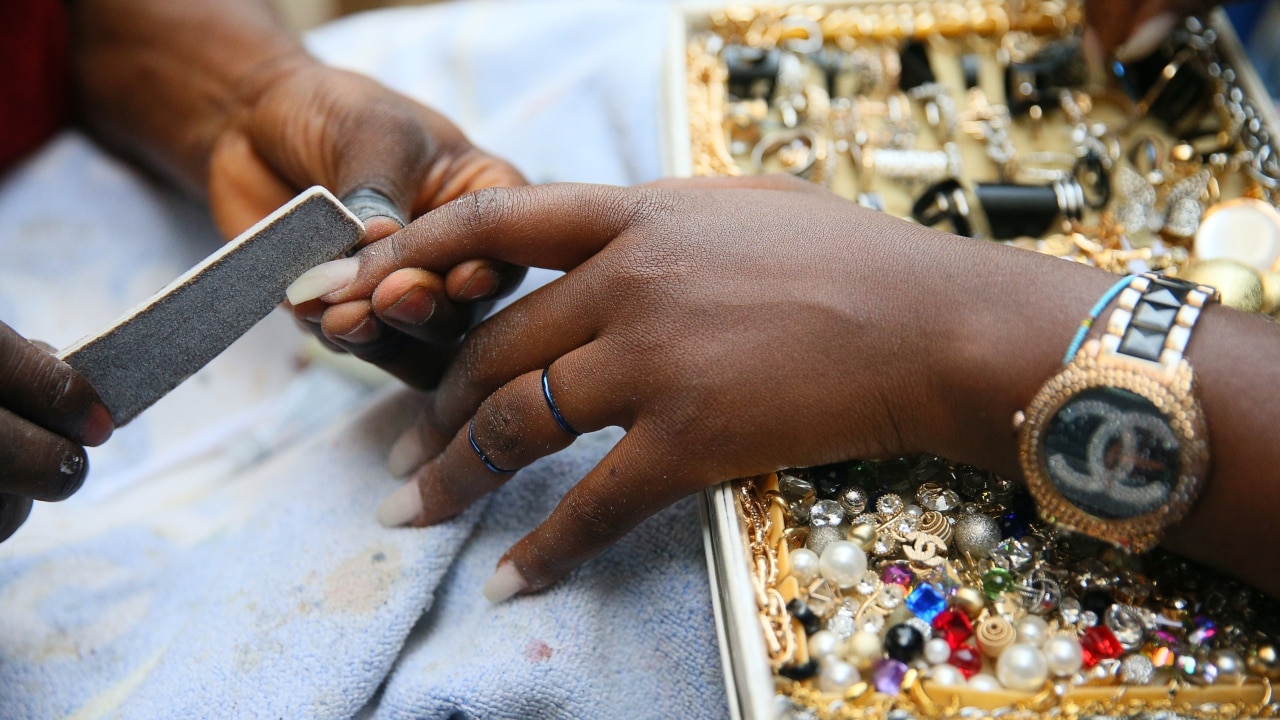
"The loss of grooming claws is probably a reflection of more complex social networks and increased social grooming," said lead author Doug Boyer, associate professor at Duke University in North Carolina, US."You're less reliant on yourself," Boyer added.As we ramped up climbing, leaping and grasping, nails might have proven more practical than claws, which could snag or get in the way, the study, reported in the Journal of Human Evolution, showed.This could also explain why more solitary monkey species, such as titi and owl monkeys, have re-evolved a grooming claw, he noted.The study was based on the analysis on primate fossils found across Wyoming, including in an area by Yellowstone National Park.It showed that ancient primates had specialised grooming claws as well as nails, overturning the prevailing assumption that the earliest primates had nails on all their digits and explaining an important part of human evolutionary story.The team discovered bones similar to distal phalanges, the bones at the ends of fingers and toes in mammals, which have either claws or nails.They determined that the bones were not flat and wide to support nails. In fact, the distal phalanges were tapered and clawlike, resembling a grooming claw, Bloch said.Grooming claws might seem insignificant, but they can provide crucial insights into ancient primates, many of which are known only from fossil teeth, added Jonathan Bloch, from the University of Florida.

Careless Whispers: Scientists discover that plants can 'talk' to each other using smells
Life on Mars? European Space Agency’s Orbiter discovers ice water deposits at equator
Microsoft briefly overtakes Apple as the most valuable company, Apple back on top again
Even NASA is facing a tough time, starts layoffs following major budget cuts
ISRO, NASA's NISAR satellite to get ready by Jan-end, will monitor Earth's snow-covered regions