


Here's how living in extreme altitude forces the human body to conserve energy
Living the high life — growing up, in other words, at extreme altitude — forces a developing human body to conserve energy

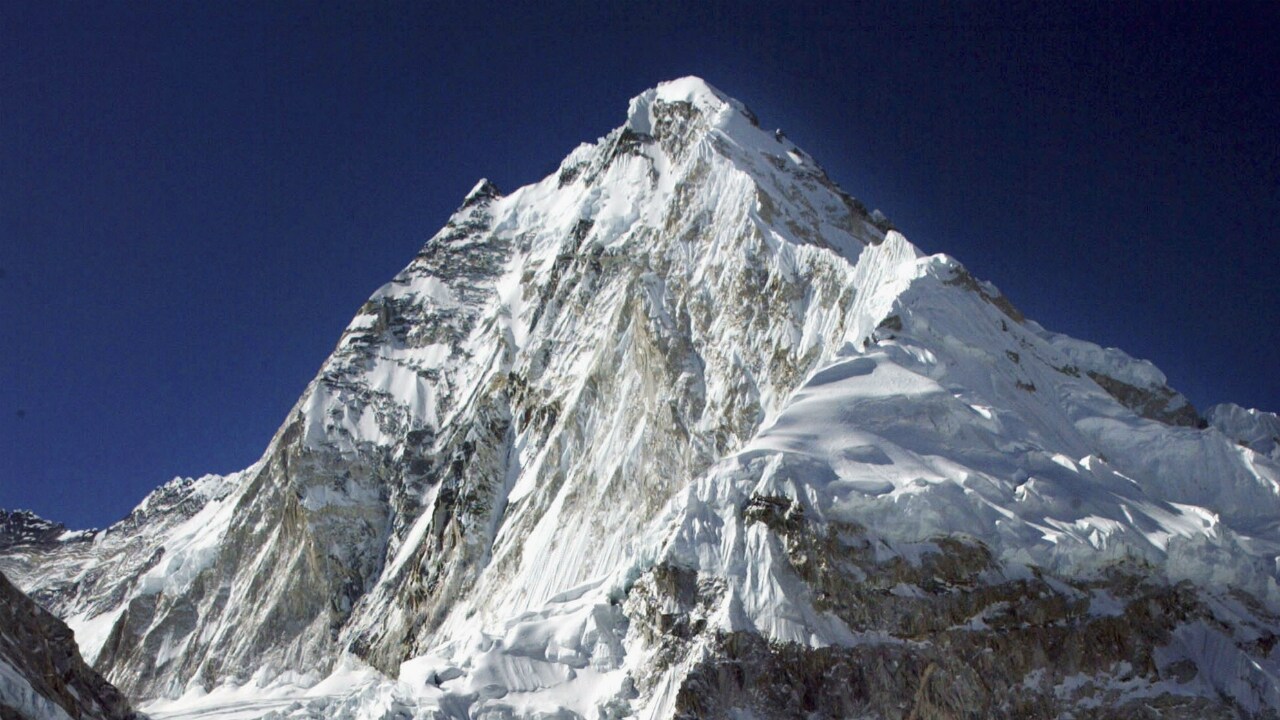
"This is most likely an adaptation to improving oxygen uptake," said Payne.For similar reasons, indigenous peoples of the Himalayas and Andes often have barrel chests, the better to expand lung capacity and take in more oxygen.Although air contains 21 percent oxygen at all altitudes, it feels as if there is less of it in the mountains due to lower air pressure.Using the measure of "effective oxygen", the level drops by just under 40 percent at 3,500 metres compared to sea level.In high-mountain regions, low oxygen availability results in inefficient conversion of food into energy, which means that there is less energy available for growth.This become especially true when combined with a nutrient poor diet.Not evolutionBut what possible advantage is there to diminished forearms and lower legs, which also tend to be foreshortened among mountain-folk? And why not other parts of the body?It is not so much that there is something to gain, but more that there is nothing lost, the study conjectured."The human body prioritises which segments to grow when there is limited energy available for growth, such as at high altitude," said Payne."The full growth of the hand may be essential for manual dexterity, whilst the length of the upper arm is particularly important for strength."But a shorter lower arm is apparently something humans can live with.To conduct the study, Payne and colleagues from Nepal and Canada trekked for two days — with yaks hauling scientific equipment over mountain passes — to Namche Bazaar on the Everest Trail, getting more than a taste of altitude sickness along the way.Humans, like all living creatures, change in response to evolutionary pressures through the process of natural selection. Chance genetic mutations that turn out to confer an advantage enhance the chances of survival, and of being passed along to offspring.But Payne doubts that evolution is at work in this case.Rather, she said, the bodies of people born into the rarefied atmospheres of the Andes or the Himalayas react and adapt in real time, probably from the foetal stage.The exact biological mechanism, however, resulting in shorter forearms remains a mystery."It might be related to temperature changes or altered blood flow down the limb during growth, or differences in nutrient delivery between limb segments," said Payne.

Careless Whispers: Scientists discover that plants can 'talk' to each other using smells
Life on Mars? European Space Agency’s Orbiter discovers ice water deposits at equator
Microsoft briefly overtakes Apple as the most valuable company, Apple back on top again
Even NASA is facing a tough time, starts layoffs following major budget cuts
ISRO, NASA's NISAR satellite to get ready by Jan-end, will monitor Earth's snow-covered regions