


Green blooms: Patches of Antarctica’s snow is turning green with algae due to global warming
When the algae bloom in a large area simultaneously, it turns the snow bright green and it can be spotted from space.

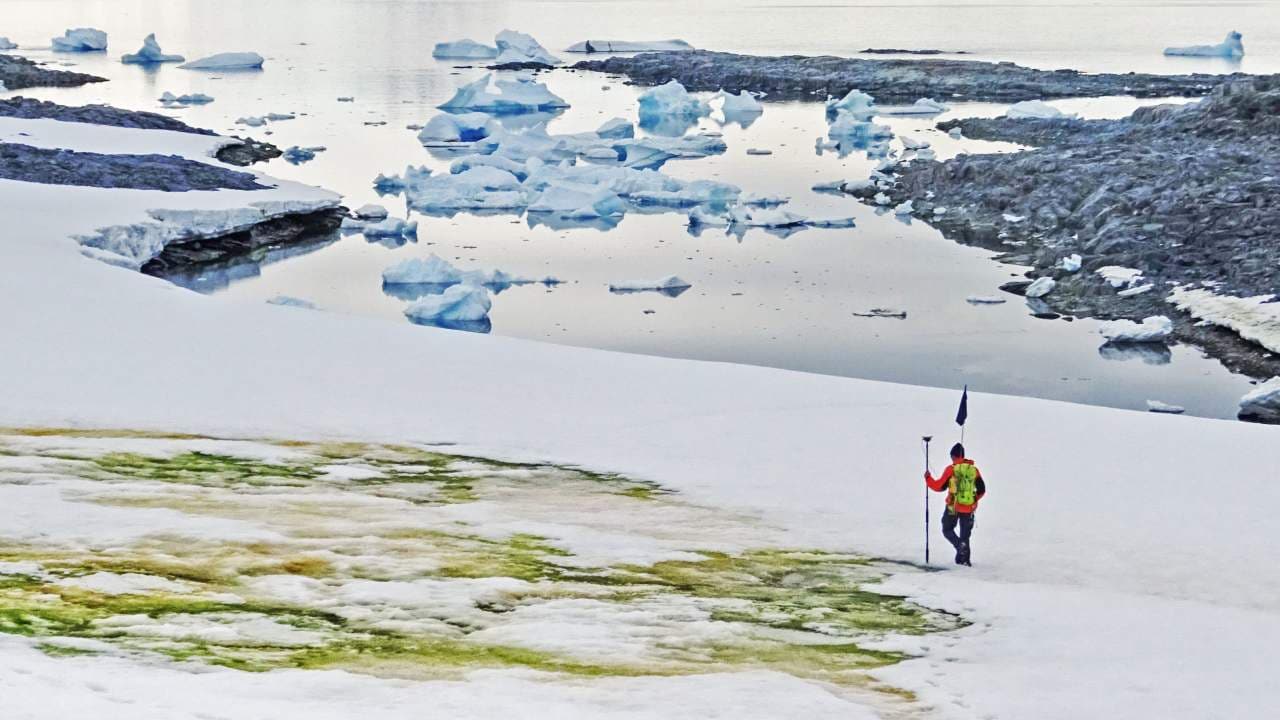
Blooms of green snow algae are found around the Antarctic coastline, particularly on islands along the west coast of the Antarctic Peninsula.
Image credit: Matt Davey[/caption]These algae grow along the Antarctic peninsula coastline, which is warmer in comparison to the other regions. Temperatures of a little more than zero degrees Celsius during the Southern Hemisphere's summer months of November to February are optimal conditions for their growth.According to the researchers, the measurements were taken from Antarctica’s Ryder Bay, Adelaide Island, the Fildes Peninsula and King George Island. These showed that the Antarctic Peninsula has undergone the most rapid warming in the last century. A heatwave in Antarctica had melted around 20 per cent of snow from Eagle Island on the northeastern peninsula of the continent in just about nine days in February this year.CNN said that such heatwaves were becoming “increasingly common symptoms of the climate crisis”.The recent study showed that marine birds and mammals affect the growth of the green snow algae. The excrements of these animals are rich, nutritious fertiliser for the algae’s bloom and more than 60 per cent of the green snow algae spread were found near a penguin colony. Other hotspots include a birds’ nesting site and spots where seals come ashore.“As Antarctica warms, we predict the overall mass of snow algae will increase, as the spread to higher ground will significantly outweigh the loss of small island patches of algae,” said Dr Andrew Gray who is the lead author of the paper and a researcher at the University of Cambridge.Speaking to CNN, Gray said that while on one hand, melting of snow could lead the algae to grow further, warmer temperatures will affect the other populations on Antarctica like penguins, and the algae could lose their source of nutrients.

Careless Whispers: Scientists discover that plants can 'talk' to each other using smells
Life on Mars? European Space Agency’s Orbiter discovers ice water deposits at equator
Microsoft briefly overtakes Apple as the most valuable company, Apple back on top again
Even NASA is facing a tough time, starts layoffs following major budget cuts
ISRO, NASA's NISAR satellite to get ready by Jan-end, will monitor Earth's snow-covered regions