


From half-moon to lunar eclipses: Here are the celestial events visible in the month of May
May is considered the last month suitable for stargazing.

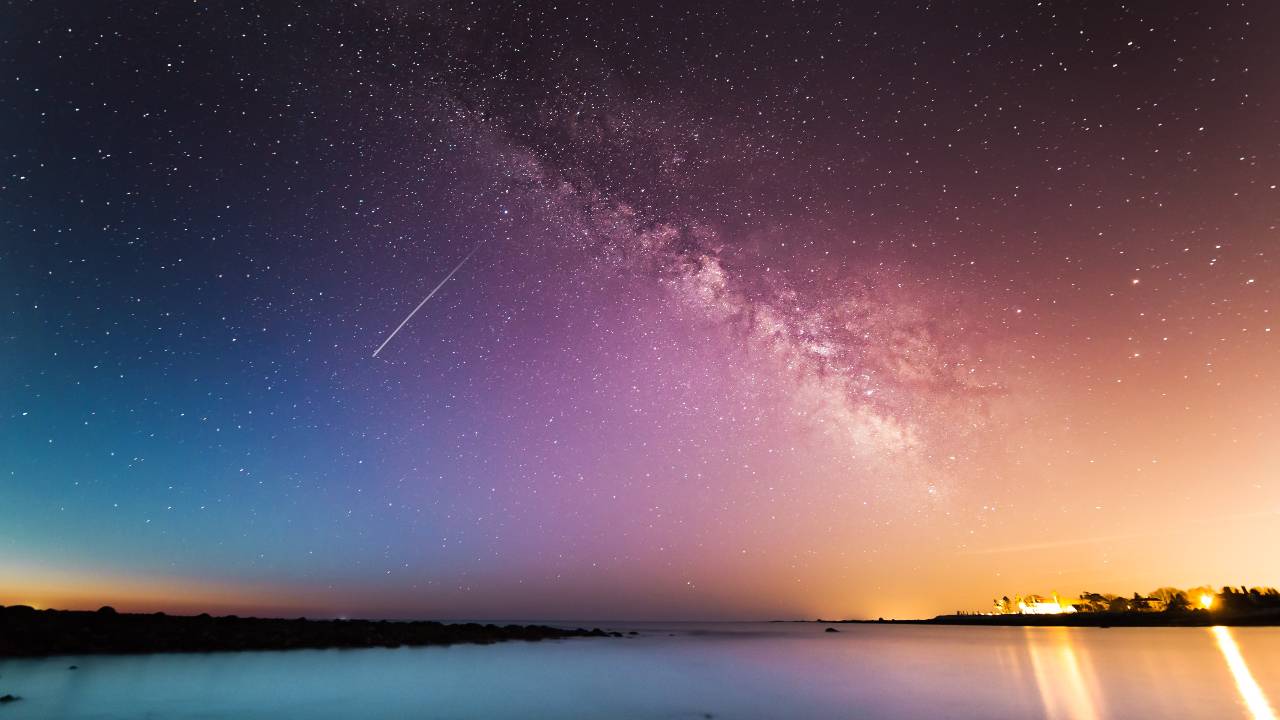
A starry night.[/caption]
Monday, 3 May
A half-moon was seen in the Capricorn constellation. On 3 May, the moon passed nearby Saturn and Jupiter on 4 May. It is expected that the moon will be near Neptune on 6 May, Uranus on 10 May, Venus on 12 May, and Mercury on 13 May. If the night sky is dark then stargazers can see all these planets by following the moon.
Wednesday, 5 May
In the night sky on Wednesday, 5 May, the meteor shower of Eta Aquarids can be seen. Between 2:30 am till 5:30 am, Skygazers can see the meteor shower near the Aquarius constellation. NASA has stated that, at its peak, the meteor shower will rain down 30 meteors per hour.
 More from Science
12 May to 17 May
The moon will guide celestial enthusiasts to evening planets including Mercury, Venus, and Mars. The moon and Venus will be close on 12 May while on 17 May, Mercury will be visible in the evening sky.
Sunday, 23 May
Saturn is expected to start its retrograde move on this day, reported Space.com. The publication further states that the change in Saturn’s direction can be observed by the change in Saturn’s distance from the star Theta Capricornus.
Wedneday, 26 May
At around 4:44 pm IST (7:14 am EDT) on Wednesday, 26 May, the moon will reach its full phase. The day will have a lunar eclipse which will be experienced for a minute in Mumbai. Kolkata will see a partial eclipse on this day from 6:15 pm to 6:22 pm.
Saturday, 29 May
In the evening sky on this day, Mercury and Venus will appear close to each other. Celestial enthusiasts will get an opportunity to see the two planets together even through a backyard telescope.

Careless Whispers: Scientists discover that plants can 'talk' to each other using smells
Life on Mars? European Space Agency’s Orbiter discovers ice water deposits at equator
Microsoft briefly overtakes Apple as the most valuable company, Apple back on top again
Even NASA is facing a tough time, starts layoffs following major budget cuts
ISRO, NASA's NISAR satellite to get ready by Jan-end, will monitor Earth's snow-covered regions