


Flushed contact lenses add greatly to microplastic pollution in oceans: Researchers
Plastic waste created by lenses in the US alone is equal to 400 million toothbrushes every year.

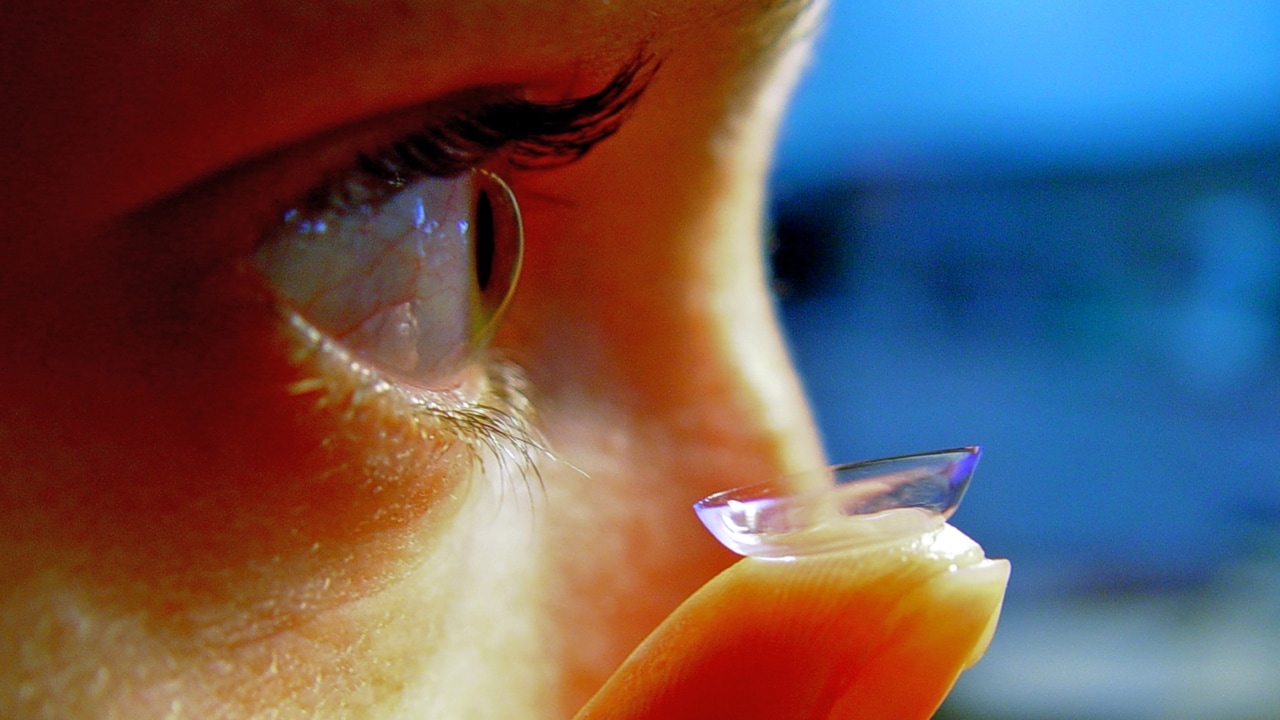
Representational image. Image courtesy: Wikipedia[/caption]Roughly 45 million people in the United States alone wear contact lenses, amounting to at least 13 billion lenses worn each year.A survey of US contact lens wearers "found that 15 to 20 percent of contact wearers are flushing the lenses down the sink or toilet," said researcher Charlie Rolsky, a PhD student at ASU.And what happens to those lenses?Researchers tracked them to waste water treatment plants, where they discovered the lenses fall apart but do not degrade.The plastic particles either flow out into the ocean, or become part of sewage sludge, which is often applied to land as fertilizer. Runoff then brings these contaminants back to the oceans.Tiny fish and plankton can mistake microplastics for food.These indigestible plastics then make their way up the food chain, and into the human food supply.Researchers said they hope their study will sound a warning to manufacturers of contact lenses, and encourage users to dispose of them properly with other solid waste.Halden said many people do not realize that flushing contact lenses is dangerous to the environment.The scientific team found only one contact lens manufacturer whose packaging advised people how to dispose of them properly."Don't put those lenses into wastewater. Put them into solid waste or recycle them," Halden said.

Careless Whispers: Scientists discover that plants can 'talk' to each other using smells
Life on Mars? European Space Agency’s Orbiter discovers ice water deposits at equator
Microsoft briefly overtakes Apple as the most valuable company, Apple back on top again
Even NASA is facing a tough time, starts layoffs following major budget cuts
ISRO, NASA's NISAR satellite to get ready by Jan-end, will monitor Earth's snow-covered regions