


Eighty three of 252 World Heritage sites severely affected by climate change warns IUCN report
“Natural World Heritage sites are amongst the world’s most precious places, and we owe it to future generations to protect them,” IUCN Director-General Bruno Oberle said.

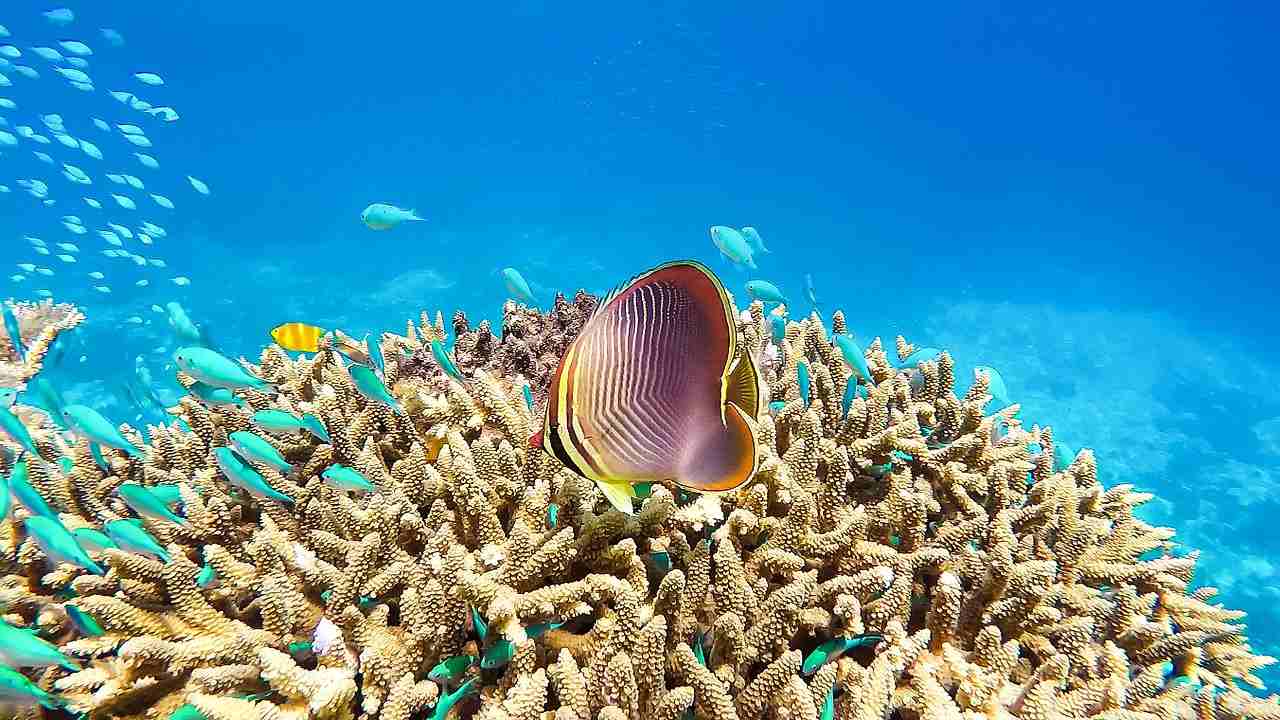
The report says the Great Barrier Reef, where ocean warming, acidification and extreme weather have added to the coral decline and shrinking marine species populations, were one of four sites in Australia under “very high” threat. Image credit: Wikipedia[/caption]Sixteen World Heritage sites have deteriorated since the last World Heritage Outlook was released three years ago, while only eight improved, said the International Union for Conservation of Nature, made up of governments and civil society groups and advises UNESCO on natural threats to those sites.“Natural World Heritage sites are amongst the world’s most precious places, and we owe it to future generations to protect them,” IUCN Director-General Bruno Oberle said. “Climate change is wreaking (havoc) on natural World Heritage, from shrinking glaciers to coral bleaching to increasingly frequent and severe fires and droughts.”The report says the Great Barrier Reef, where ocean warming, acidification and extreme weather have added to the coral decline and shrinking marine species populations, were one of four sites in Australia under “very high” threat.The islands of protected areas in the Gulf of California in Mexico have also entered the “critical” category in the listing. Spain’s Garajonay National Park, Olympic National Park in the United States, and Mexico’s Monarch Butterfly Biosphere Reserve are among those under “very high” threat, the new report said.It said while 63 percent of the heritage sites are classified as “good” or “good with some concerns,” 30 percent are of “significant concern” and sever percent are in “critical” shape.In a difference from the previous two IUCN reports, climate change has eclipsed “invasive alien species” — such as when foreign rodents, fish or plants are transplanted, accidentally or not, to new environments — as the most potent threat against such sites.Human activities like tourism, hunting and fishing, and livestock grazing have also had an impact.

Careless Whispers: Scientists discover that plants can 'talk' to each other using smells
Life on Mars? European Space Agency’s Orbiter discovers ice water deposits at equator
Microsoft briefly overtakes Apple as the most valuable company, Apple back on top again
Even NASA is facing a tough time, starts layoffs following major budget cuts
ISRO, NASA's NISAR satellite to get ready by Jan-end, will monitor Earth's snow-covered regions