


Earth’s magnetic field flipped 42,000 years ago, extinctions and upheaval followed: Study
Scientists were aware of a temporarily flip in the magnetic poles some 40,000 years ago, but not if & how it impacted life on Earth.

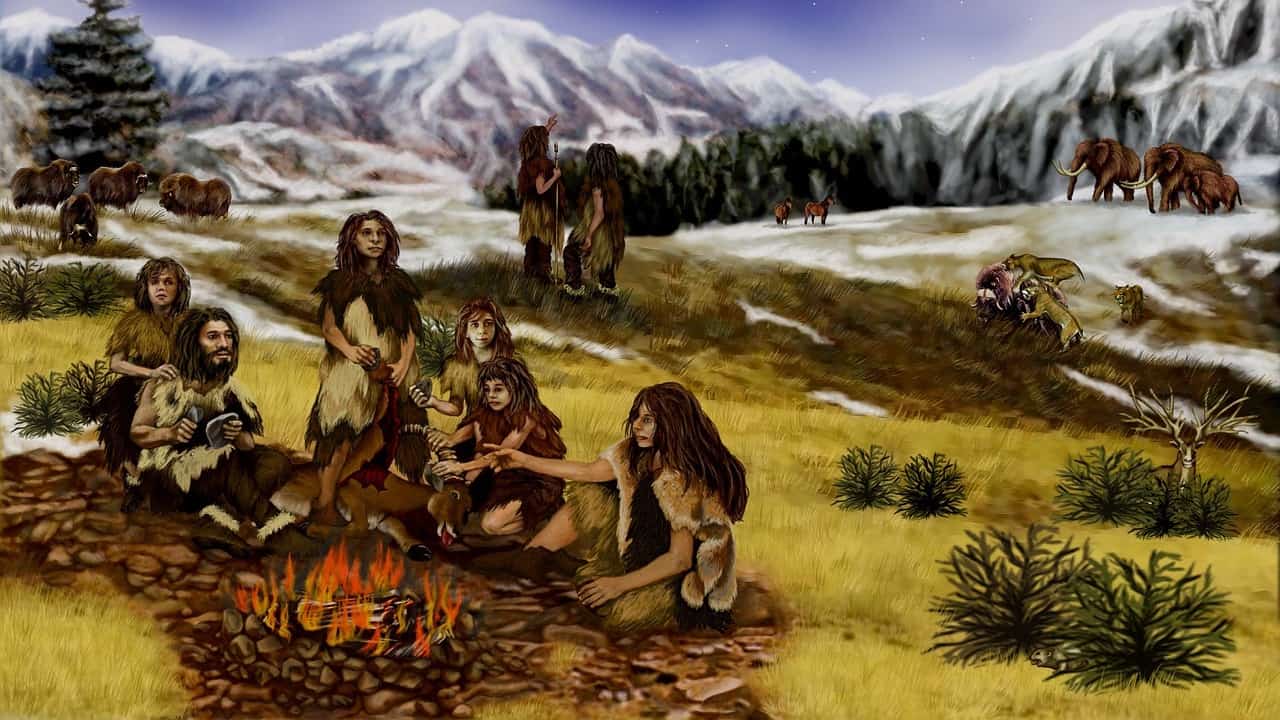
An Homo sapien invasion is among the many theories that is thought to have prompted the extinction of the Neanderthals, some 40,000 years ago. Image: Sciencemag[/caption]Trees store records of atmospheric activity in their annual 'growth rings' as they age. The researchers studied the rings of some ancient trees. In this case, New Zealand's kauri trees were studied, which have been preserved in sediments for over 40,000 years and were alive during Adam's Event. The Carbon-14 isotope, or radiocarbon, is rarely found in nature in large quantities. Guided by the spike in radiocarbon levels some 40,000 years ago, scientists were able to date and measure the rise in atmospheric radiocarbon from the collapse of Earth’s magnetic field.While it was known the magnetic poles had temporarily flipped around 41 or 42,000 years ago in an event called the ‘Laschamps Excursion’, scientists were not aware how it had impacted life on the planet, if at all, the statement continued.After ascertaining the time window of Adams event, the team compared the changes seen in the climate across the world during the same time. They found that megafauna across mainland Australia and Tasmania went through simultaneous extinctions 42,000 years ago. Also, the researchers believe that the event could explain the extinction of Neanderthals and the sudden appearance of art in caves around the globe.The study has been published in Science.

Careless Whispers: Scientists discover that plants can 'talk' to each other using smells
Life on Mars? European Space Agency’s Orbiter discovers ice water deposits at equator
Microsoft briefly overtakes Apple as the most valuable company, Apple back on top again
Even NASA is facing a tough time, starts layoffs following major budget cuts
ISRO, NASA's NISAR satellite to get ready by Jan-end, will monitor Earth's snow-covered regions