


DRDO says debris from Mission Shakti ASAT test poses no danger to space station
There was a temporary risk for 10 days, but we have crossed that period, an official told reporters.

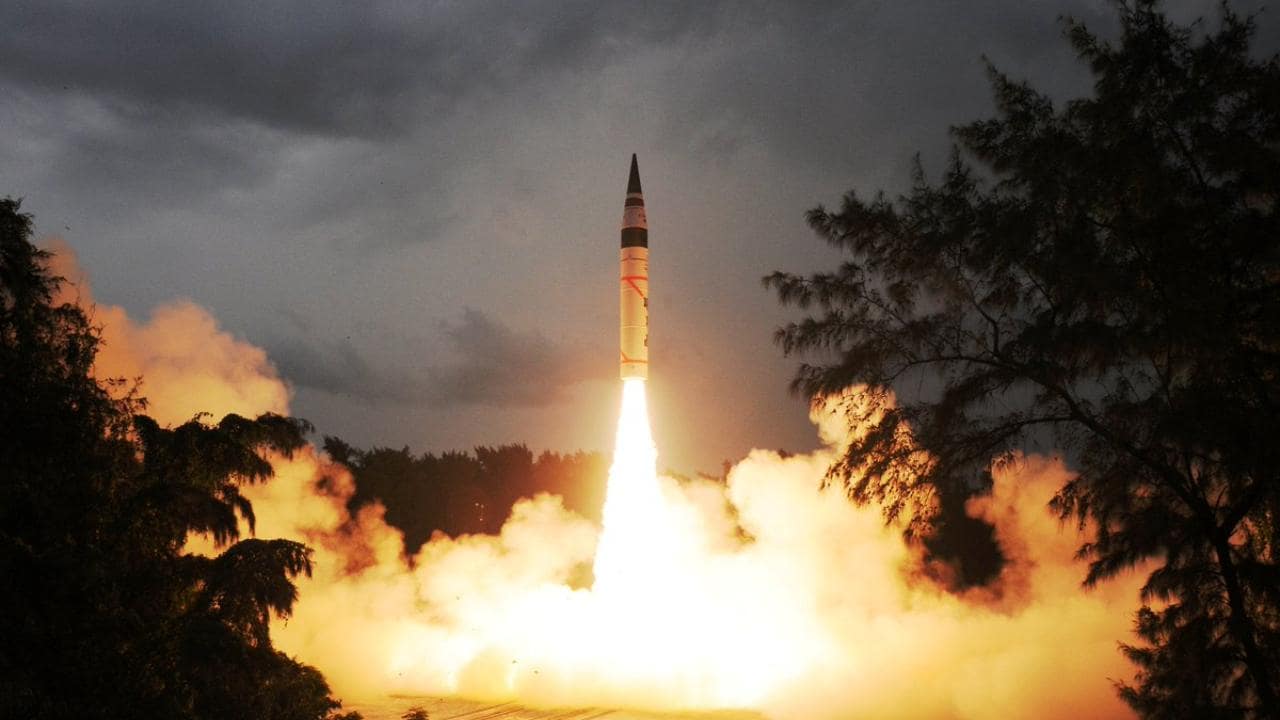
The 5000-km range Agni-V missile was launched from Kalam Island off Odisha at 9.50 am on 27 March, 2019. Image: Hemant Kumar/Twitter[/caption]The danger from "space junk" is not that it falls to Earth but that it collides with orbiting satellites.Even the smallest piece of debris travelling at great speeds can put a satellite out of action.The Indian satellite was destroyed at a relatively low altitude of 300 kilometers, 120 kilometres below the ISS and most orbiting satellites.Bridenstine and other space experts also said the risk from the Indian debris would dissipate as much of it would burn up as it entered the atmosphere.The US military tracks objects in space to predict the collision risk for the ISS and satellites. They are currently tracking 23,000 objects larger than 10 centimeters.These includes about 10,000 pieces of space debris, of which nearly 3,000 were created by a Chinese anti-satellite test.India has hailed the test as a sign that it is a space power. Only the United States, Russia and China had previously carried out successful anti-satellite missile strikes in space.

Careless Whispers: Scientists discover that plants can 'talk' to each other using smells
Life on Mars? European Space Agency’s Orbiter discovers ice water deposits at equator
Microsoft briefly overtakes Apple as the most valuable company, Apple back on top again
Even NASA is facing a tough time, starts layoffs following major budget cuts
ISRO, NASA's NISAR satellite to get ready by Jan-end, will monitor Earth's snow-covered regions