


Crocodiles have remained largely unchanged since the last 200 million years
It seems that crocodiles arrived at a body plan that was very efficient and versatile enough that they did not need to change or evolve in order to survive.

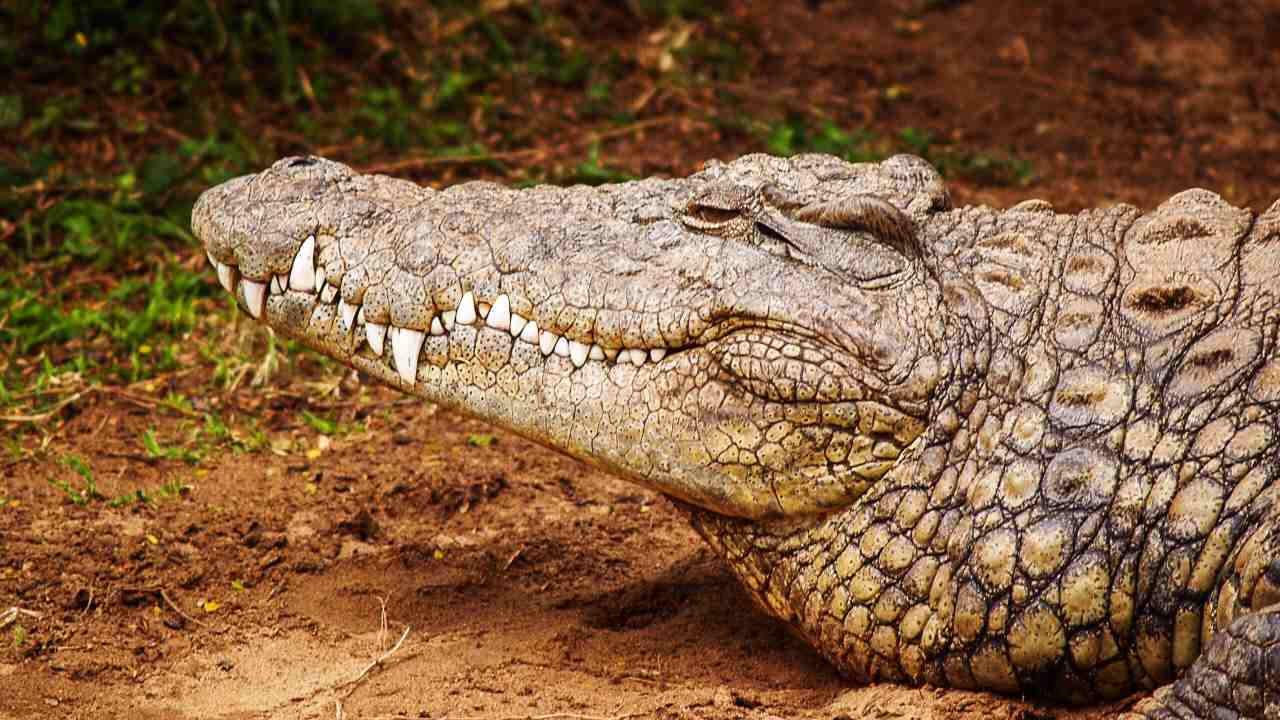
The study found that the limited diversity of crocodilians and their apparent lack of evolution is due to a slower evolutionary rate.[/caption]For their study, researchers measured body size, important because it shows how fast animals grow, how much food they need, how big their populations are and how likely they will become extinct.As per the study authors, their findings show that the limited diversity of crocodilians and their apparent lack of evolution is due to a slower evolutionary rate. According to them, it seems that crocodiles arrived at a body plan that was very efficient and versatile enough that they did not need to change or evolve in order to survive.Researchers have stated that the versatility could be one explanation of why crocodiles survived the meteor impact at the end of the Cretaceous period. Crocodiles generally thrive better in warmer conditions as they are better able to control their body temperature and require warmth from the environment.Since the climate during the age of dinosaurs was warmer, there were a lot more varieties of a crocodile than now. Dr Stockdale added that it is fascinating to study how intricate a relationship exists between the earth and the living things that live on it. He went on to say that the crocodiles figured out a lifestyle that was versatile enough to adapt to the environmental changes that took place since the time of the dinosaurs.

Careless Whispers: Scientists discover that plants can 'talk' to each other using smells
Life on Mars? European Space Agency’s Orbiter discovers ice water deposits at equator
Microsoft briefly overtakes Apple as the most valuable company, Apple back on top again
Even NASA is facing a tough time, starts layoffs following major budget cuts
ISRO, NASA's NISAR satellite to get ready by Jan-end, will monitor Earth's snow-covered regions