


CRISPR anti-venom: Antidote to world's most venomous sting made with gene editing
The toxin causes the blood pressure of its sting victims to sky-rocket if the venom isn't neutralized soon.

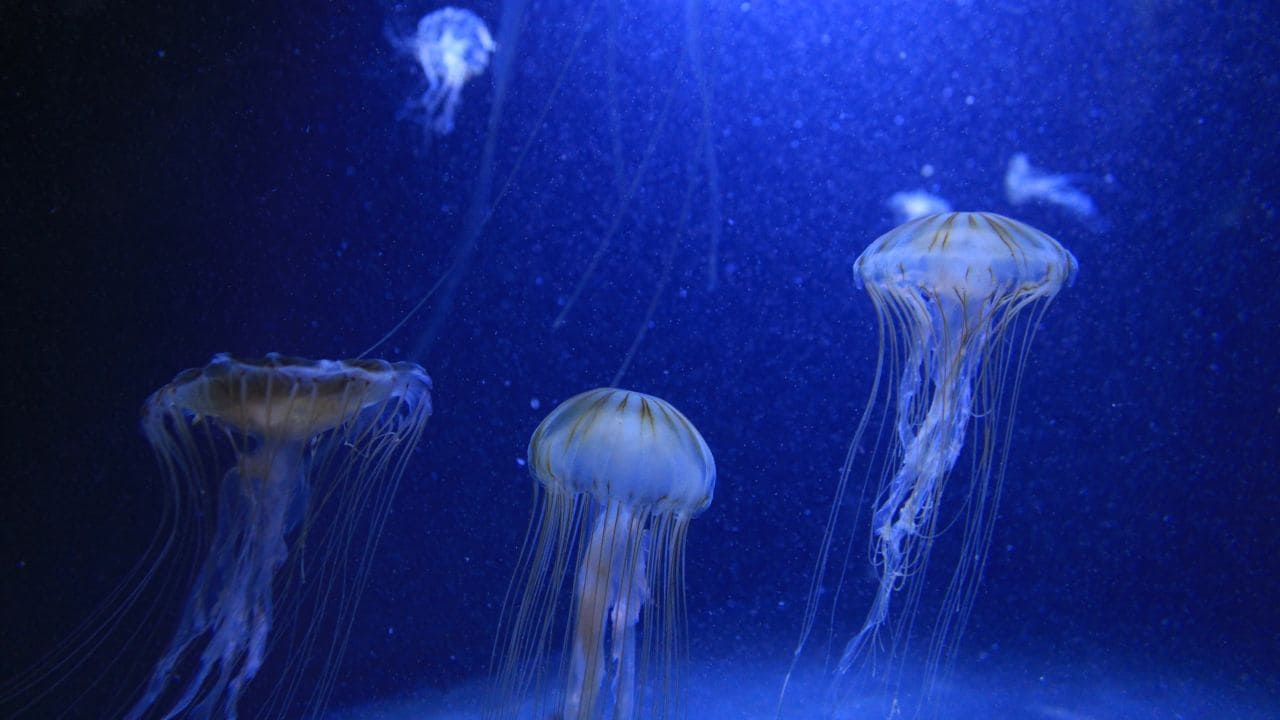
Box Jellyfish.[/caption]Chironex fleckeri is among the deadliest box jellyfish species, with an explosive sting that causes cardiac arrest in humans. Scientists are still unsure exactly how its venom works. But a team of researchers has managed to develop an antidote to block its venom using the powerful gene-editing tool CRISPR.CRISPR is a versatile tool that can be used to make precise edits to DNA in any living creature. The team was able to modify human DNA in these cells by turning a set of four genes off, after which the jellyfish venom was useless against it.The genes were all part of a pathway the body uses to regulate cholesterol. These genes are what makes the box jellyfish venom so deadly and capable of destroying cells."The drug is known to work by pulling cholesterol out of the cell membrane, so we think the jellyfish venom needs membrane cholesterol to exert its effect," Greg Neely, lead author of the study, wrote in The Conversation. "By shutting down this pathway for a short period of time, we can shut down the venom death pathway."

Careless Whispers: Scientists discover that plants can 'talk' to each other using smells
Life on Mars? European Space Agency’s Orbiter discovers ice water deposits at equator
Microsoft briefly overtakes Apple as the most valuable company, Apple back on top again
Even NASA is facing a tough time, starts layoffs following major budget cuts
ISRO, NASA's NISAR satellite to get ready by Jan-end, will monitor Earth's snow-covered regions