


Coral reefs, at risk from climate change, also imperilled by rats
Coral reefs aren't facing a threat just from global warming, but also damage from rats, study finds.

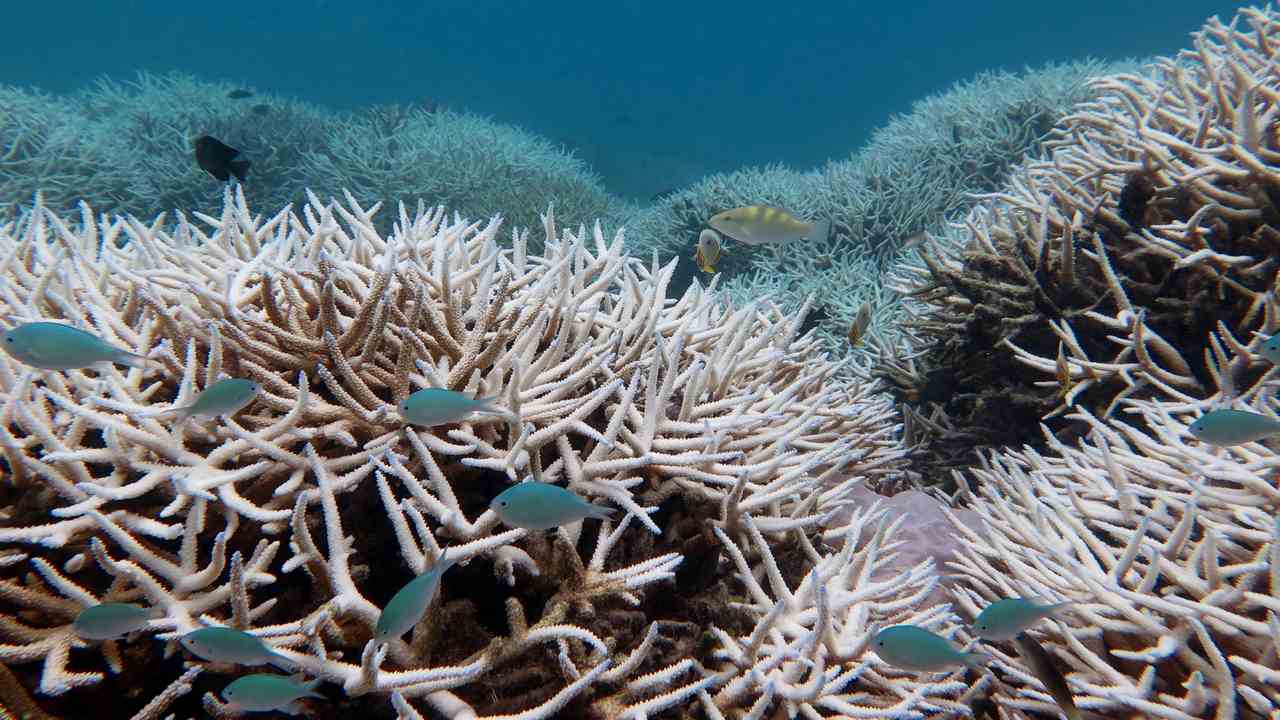
The study, conducted in the Chagos Archipelago in the middle of the Indian Ocean, found the mass of fish was 50 percent greater around rat-free islands.“Fish are unique in coral reefs, providing important functions that help reefs stay healthy. They clear away algae following disturbances, so new corals can settle and grow back on the reef,” Graham said.“They also bio-erode dead reef substrate to provide a solid surface for new corals to grow on. These two processes were up to four times greater adjacent to islands with seabirds compared to islands with rats.”The study, published in the journal Nature, calls for rat control to be an urgent conservation priority on remote tropical islands.“Eradicating rats is ‘low-hanging fruit’,” Graham said.“It’s something we know how to do, it’s not hugely costly, and once rats are removed and seabirds return we know that it will bolster productivity and the functioning of these ecosystems.”The latest report by the United Nations Intergovernmental Panel on Climate Change, released this month, said coral reefs would be all but wiped out if global temperature cannot be kept to no more than 1.5 degrees Celsius (2.7 Fahrenheit) above pre-industrial levels.

Careless Whispers: Scientists discover that plants can 'talk' to each other using smells
Life on Mars? European Space Agency’s Orbiter discovers ice water deposits at equator
Microsoft briefly overtakes Apple as the most valuable company, Apple back on top again
Even NASA is facing a tough time, starts layoffs following major budget cuts
ISRO, NASA's NISAR satellite to get ready by Jan-end, will monitor Earth's snow-covered regions