


Climate change has affected the amount of rainfall in Indonesian islands, study suggests
Researchers think an atmosphere phenomenon affects weather on a weekly-to-monthly time scale, bringing alternate cloudy and sunny periods.

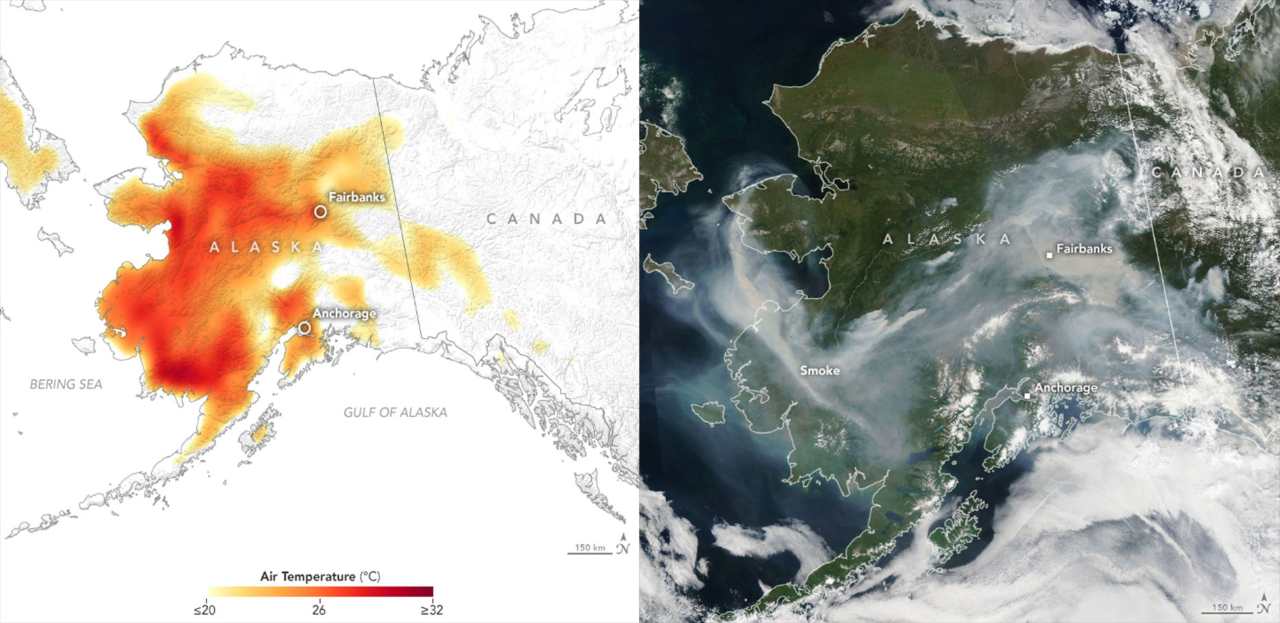
In June and early July 2019, a heatwave in Alaska broke temperature records, as seen in the 8 July air temperature map (left). The corresponding image from the Moderate Resolution Imaging Spectroradiometer (MODIS) instrument on Aqua on the right shows smoke from lightening-triggered wildfires. Image: NASA[/caption]The researchers used location data from a network of GPS stations installed in Sumatra and on the neighbouring islands by a team of scientists interested in monitoring tectonic activity along the western coast of Sumatra.They found that the GPS signal was distorted by the amount of water vapour in the atmosphere. The researchers then realised that the distortion recorded in the GPS stations could provide useful information about the state of the atmosphere.The MJO, according to the researchers, could be one of the most important phenomena on the planet, influencing the weather and the climate of regions that are even thousands of miles away from the Maritime Continent.The researchers emphasised that a better understanding of the MJO, and a good way to simulate it are very important for understanding the Earth's current and future climate trends.

Careless Whispers: Scientists discover that plants can 'talk' to each other using smells
Life on Mars? European Space Agency’s Orbiter discovers ice water deposits at equator
Microsoft briefly overtakes Apple as the most valuable company, Apple back on top again
Even NASA is facing a tough time, starts layoffs following major budget cuts
ISRO, NASA's NISAR satellite to get ready by Jan-end, will monitor Earth's snow-covered regions