


Climate change doubles the number of low-oxygen zones in Danish seas in a year
Increased nutrients in the sea lead to excessive growth of plants, which ultimately leads to less oxygen as the plants die and decompose in a process known as eutrophication.

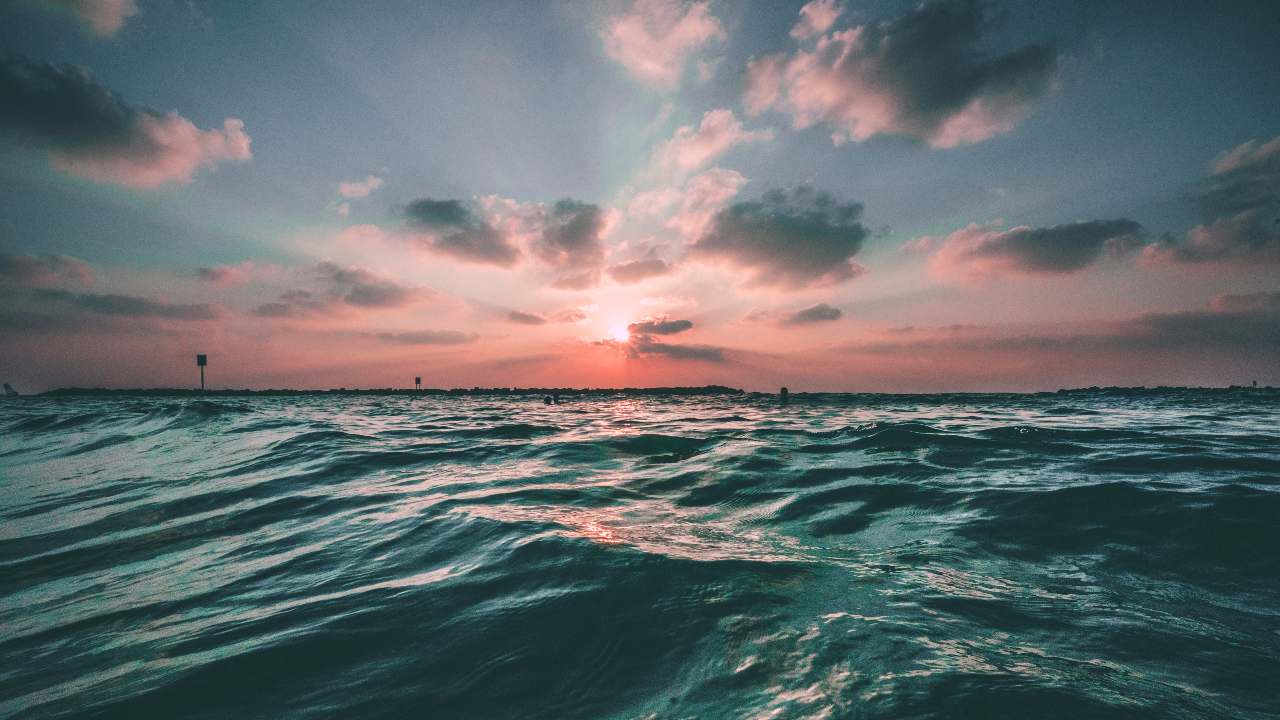
The Danish seas suffered from high levels of runoff from rivers at the beginning of the year, increasing the amount of organic matter and nutrients.[/caption]It said the problem was "severe" in around a third of the area.The area suffered from high levels of runoff from rivers at the beginning of the year, increasing the amount of organic matter and nutrients, the study found, along with "high temperatures in the bottom water and mainly weak winds since the middle of spring".Increased nutrients in the sea can lead to excessive growth of plants like algae, which ultimately leads to less oxygen in the water as the plants die off and decompose in a process known as eutrophication.Meanwhile, surface waters hold less oxygen when they are warmer, leading to less circulation with naturally oxygen-poor waters deeper down.Lack of wind also reduces circulation between shallower and deeper waters.A 2019 report from the International Union for Conservation of Nature (IUCN) found that ocean oxygen levels had decreased by around two percent between 1960 and 2010.A fall of between three and four percent is expected between now and 2100 if climate-altering emissions and nutrient discharges continue to grow at their present pace.Around 700 spots around the world suffer from depleted oxygen levels, compared with just 45 in the 1960s.

Careless Whispers: Scientists discover that plants can 'talk' to each other using smells
Life on Mars? European Space Agency’s Orbiter discovers ice water deposits at equator
Microsoft briefly overtakes Apple as the most valuable company, Apple back on top again
Even NASA is facing a tough time, starts layoffs following major budget cuts
ISRO, NASA's NISAR satellite to get ready by Jan-end, will monitor Earth's snow-covered regions