


Chinese factories are illegally using ozone-depleting CFCs, claims report
CFCs are chemicals that deplete the ozone layer, the thin gaseous shield that protects life on Earth from dangerous solar rays.

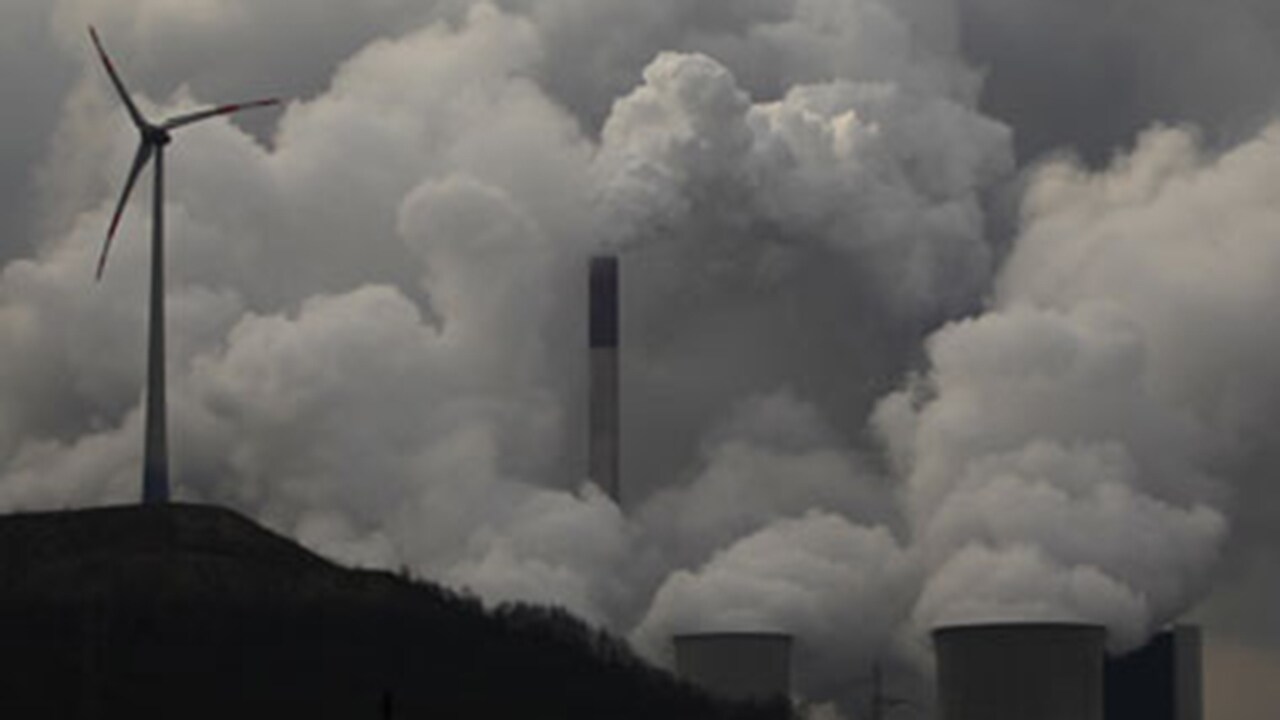
Representational image. Reuters[/caption]Others cited in the report said their companies produce the substance themselves, with one source saying its factories can produce 40 tonnes of CFC agents per day.Traders cited by EIA also said that Chinese companies export the banned CFC agents by mislabelling them as Hydrofluorocarbon (HFC) compounds and other chemical blends.Given the volume of exports of such compounds to other countries primarily in Asia and the Middle East, there is a good chance nations that have pledged to ban CFCs have inadvertently imported them, the report said."If China doesn't stop this illegal production, it will imperil our slowly healing ozone layer," said Alexander von Bismarck, EIA US Executive Director."CFC-11 is also a super global warmer, making this a serious threat for our climate as well," he added.The report comes ahead of a working group of the Montreal Protocol in Vienna from 11-14 July, where the issue of rogue CFC-11 emissions is likely to be on the agenda.In May, an international team of scientists published research that showed the decline of CFC-11 in the atmosphere had slowed by half since 2012, suggesting it was being secretly produced despite the global ban.Researchers said the data pointed to East Asia as the source of renewed production but they stopped short of naming a specific country.At present, Earth is on course for several degrees of warming by 2100, scientists say. This would doom many parts of the planet to worsening floods, droughts, desertification, rising seas and storms.

Careless Whispers: Scientists discover that plants can 'talk' to each other using smells
Life on Mars? European Space Agency’s Orbiter discovers ice water deposits at equator
Microsoft briefly overtakes Apple as the most valuable company, Apple back on top again
Even NASA is facing a tough time, starts layoffs following major budget cuts
ISRO, NASA's NISAR satellite to get ready by Jan-end, will monitor Earth's snow-covered regions